

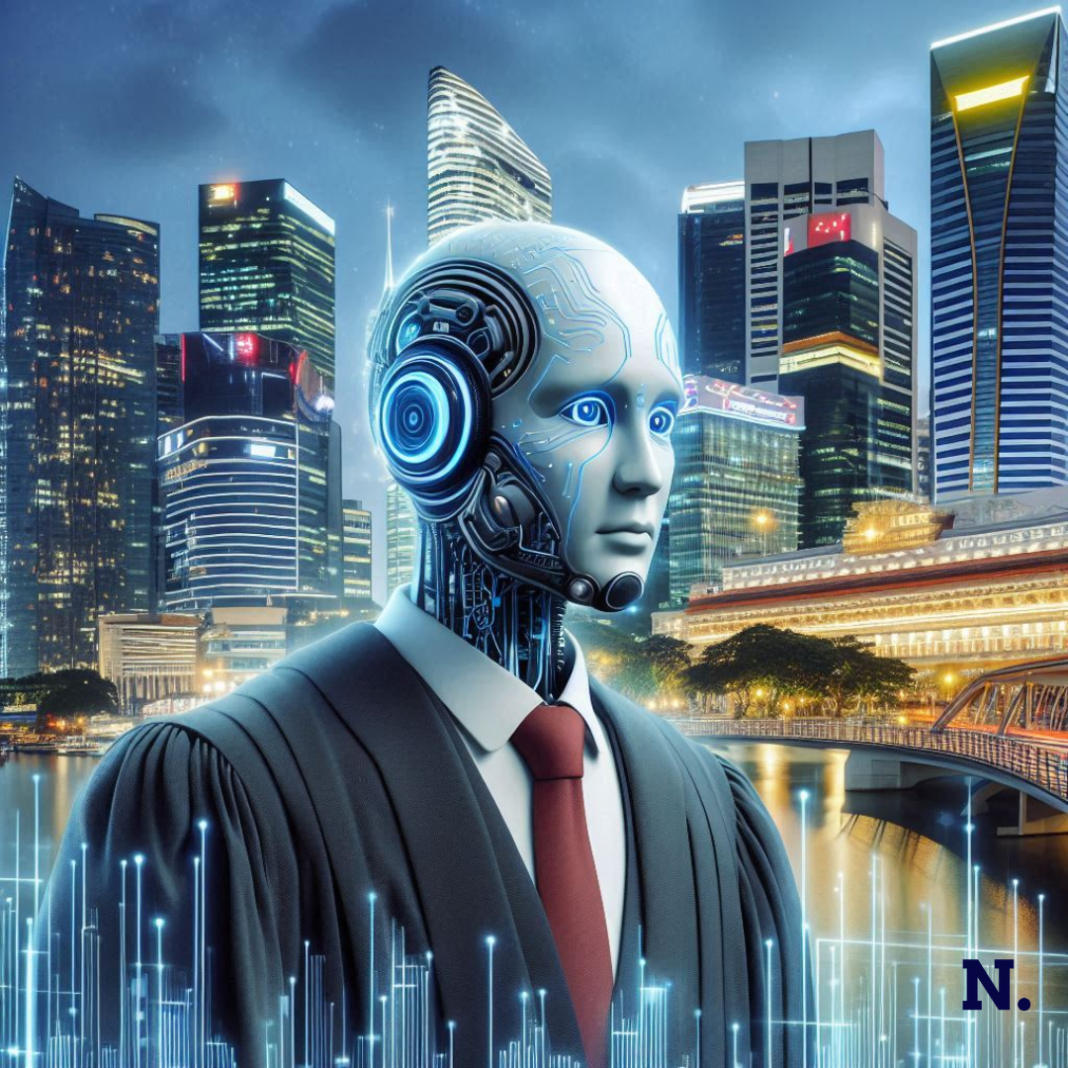
Artificial Intelligence will Never Solve Content Moderation Issue

The Future of Facebook Moderation: Human Effort vs. Artificial Intelligence

Mark Zuckerberg, the CEO of Facebook, has promised a future where technology handles unwanted content on social networks. However, this vision still seems very futuristic and far from reality. Currently, Facebook uses a mix of human moderation and automated filtering to keep unwanted content off the platform.

The Role of Human Moderators

Human moderators play a crucial role in this process. They work under stressful conditions, reviewing hundreds of reported posts each day. These moderators must decide if a post violates Facebook’s rules. The training for this job is often inadequate, and the support they receive is minimal. This job can be very tough and mentally draining.

The Promise and Reality of Artificial Intelligence

Artificial Intelligence (AI) is seen as a potential solution to the problem of fake and harmful posts. However, relying solely on AI shifts responsibility to automation without solving the core issues. AI can help by acting like a triage system, filtering out some unwanted content. But this system is basic. It can recognize keywords related to nudity or guns and categorize them. However, humans need to create these cues for AI to recognize them.

The Limitations of AI

The technology, while useful, has its limitations. AI often struggles with understanding content that requires context. Posts that involve ethnicity, race, personal background, or emotions are hard for AI to grasp. These nuances are challenging even for humans, let alone machines. AI cannot fully capture human culture and emotions.

The Future of AI in Moderation

AI is rapidly improving, and future algorithms may handle information more reliably. Advances in deep learning have made AI faster and more competent. Yet, AI is not ready to replace human moderators completely. It still seems too immature for that role.

Improving Human Moderation

Instead of relying solely on AI, we should focus on improving the conditions for human moderators. Better training, support, and working conditions can help them make more accurate decisions. While AI can assist, the human touch remains essential in understanding and managing complex social interactions on platforms like Facebook.

In summary, while AI holds promise for the future, human moderators remain crucial for maintaining the integrity and safety of social networks. By improving their working conditions and providing better support, we can create a more effective and humane system for content moderation.

TOP 10 TRENDING ON NEWSINTERPRETATION

Cyber Attacks on Space Infrastructure: Satellites, GPS and the Ground Systems Behind Them

From the Viasat KA-SAT hack to GPS jamming over the Baltic, a research guide to how attackers target satellites, navigation signals and ground stations, and why it matters on Earth.

How AI Agents Are Used in Cyber Attacks: From Assisted Hacking to AI-Orchestrated Espionage

Attackers now use AI agents to scan networks, write exploits and run extortion campaigns. A research guide to documented cases, including the first reported AI-orchestrated espionage campaign, and what defenders should do.

Cyber Attacks on AI and LLMs: How Attackers Target Large Language Models

Prompt injection, data poisoning, model theft and jailbreaks: a research guide to how attackers target AI systems and large language models, with real cases and defences.

French Supermarket Refrigeration Cyberattack: How Hacking the Cold Chain Can Endanger Lives

In October 2026 attackers heated refrigeration cabinets in hundreds of French supermarkets to as much as 50°C. No one was hurt, but the attack shows how hacking the cold chain can endanger lives through fire, food poisoning and spoiled medicines.

Cyberattacks on Nuclear Facilities: Stuxnet, Kudankulam and the Limits of Air Gaps

Stuxnet, the Davis-Besse worm and malware at India’s Kudankulam plant: what they show about cyber risk at nuclear facilities and the limits of air gaps.

Triton: When Hackers Target the Safety Systems That Prevent Industrial Disasters

The 2017 Triton attack targeted the safety systems that prevent industrial disasters. What happened, who was charged, and how plants protect their last line of defence.

Cybersecurity Risks in Smart Cities: When Connected Infrastructure Fails

How connecting traffic control, emergency alerts and utilities concentrates cyber risk in cities, what the Dallas and Atlanta incidents showed, and what governments recommend.

Weaponized Drones: Hijacking, GPS Spoofing and Emerging Cyber Warfare Risks

How drones can be hijacked, jammed or misled by GPS spoofing, what researchers have demonstrated, and why governments treat drone fleets as a security risk.

Ransomware Attacks on Hospitals: How Healthcare Cyberattacks Put Patients at Risk

How ransomware against hospitals and their suppliers delays care and endangers patients, what the Düsseldorf and WannaCry cases show, and what research says about deaths.

Operational blunder exposes massive Russian cyber espionage attack on Ukrainian prosecutors

A major cyberattack has compromised the email accounts of...

Cyber Attacks on Space Infrastructure: Satellites, GPS and the Ground Systems Behind Them

From the Viasat KA-SAT hack to GPS jamming over the Baltic, a research guide to how attackers target satellites, navigation signals and ground stations, and why it matters on Earth.

French Supermarket Refrigeration Cyberattack: How Hacking the Cold Chain Can Endanger Lives

In October 2026 attackers heated refrigeration cabinets in hundreds of French supermarkets to as much as 50°C. No one was hurt, but the attack shows how hacking the cold chain can endanger lives through fire, food poisoning and spoiled medicines.

Cyberattacks on Nuclear Facilities: Stuxnet, Kudankulam and the Limits of Air Gaps

Stuxnet, the Davis-Besse worm and malware at India’s Kudankulam plant: what they show about cyber risk at nuclear facilities and the limits of air gaps.

Triton: When Hackers Target the Safety Systems That Prevent Industrial Disasters

The 2017 Triton attack targeted the safety systems that prevent industrial disasters. What happened, who was charged, and how plants protect their last line of defence.

Cybersecurity Risks in Smart Cities: When Connected Infrastructure Fails

How connecting traffic control, emergency alerts and utilities concentrates cyber risk in cities, what the Dallas and Atlanta incidents showed, and what governments recommend.

Ransomware Attacks on Hospitals: How Healthcare Cyberattacks Put Patients at Risk

How ransomware against hospitals and their suppliers delays care and endangers patients, what the Düsseldorf and WannaCry cases show, and what research says about deaths.

FBI warns of AVrecon malware targeting outdated routers linked to proxy based cybercrime

A serious cybersecurity warning has been issued regarding commonly...

Related Articles

Popular Categories
