

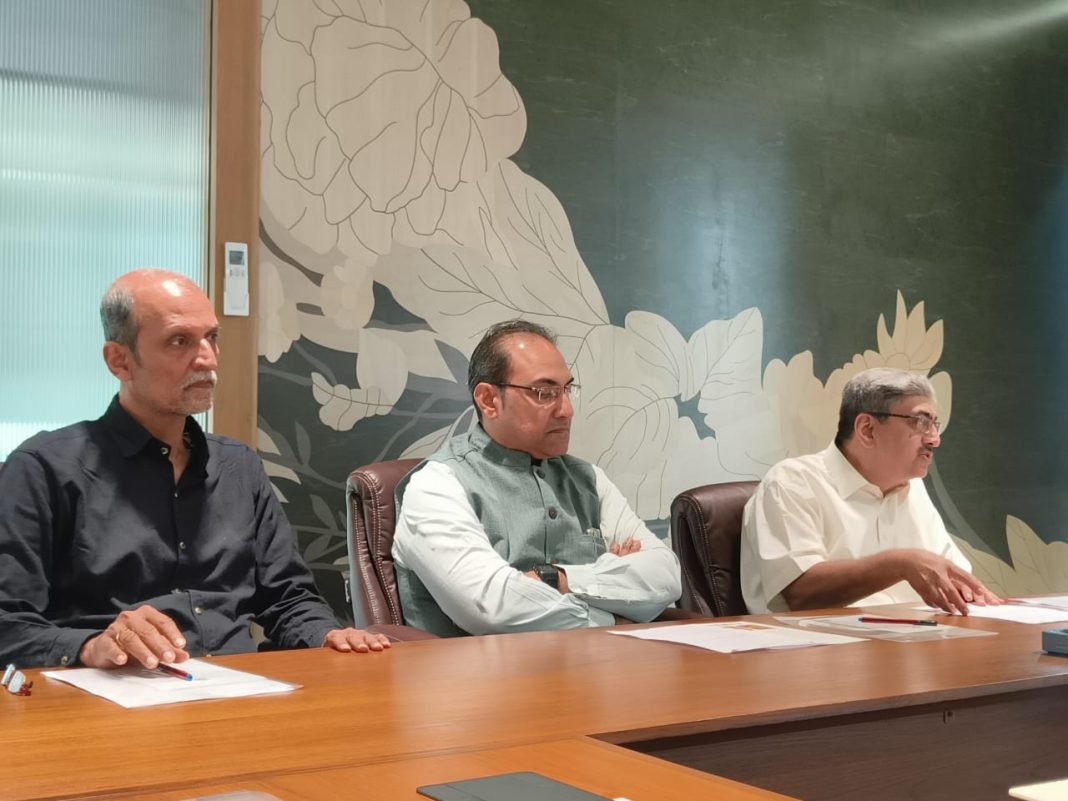

Pune is preparing to host a major international conference that focuses on how economies are changing across the world. The 7th Asia Economic Dialogue (AED) will take place from February 26 to 28, 2026, at the Pune International Centre campus in Pashan. The annual event is organized jointly by the Ministry of External Affairs and the Pune International Centre and is recognized as an important platform for policy discussions.
The Pune conference theme, “Geoeconomics Beyond Globalization: Tariffs, Technologies, and Strategic Alignments,” highlights how trade, technology, and global partnerships are shaping economic decisions. The event is expected to bring together experts, policymakers, and industry leaders from several countries to exchange ideas and discuss emerging challenges in the global economy. Details of the event, including participation and sessions, are outlined in the official press note.
International Experts and Opening Sessions
More than 45 speakers from nine countries—India, Bhutan, Sri Lanka, Taiwan, Singapore, Kenya, Australia, Israel, and Norway—will participate in the three-day conference. The program includes 12 sessions featuring panel discussions, fireside chats, and interactive conversations.
Operation Sindoor: PIC Panel Counters False Narratives
The conference will begin with opening remarks by Dr. Raghunath Mashelkar, President of Pune International Centre. A video message by External Affairs Minister Dr. S. Jaishankar is also scheduled as part of the inaugural session. A panel discussion on the central theme of geoeconomics will be chaired by Ambassador Gautam Bambawale, convenor of the dialogue.
The valedictory session on the final day will feature Ambassador Nirupama Rao delivering the closing address, with Dr. Vijay Kelkar chairing the session. Organizers noted that the dialogue has grown in scale and international participation over the years, reflecting increasing global engagement.
Dinanath Kholkar, Director of Pune International Centre, highlighted that the conference will include several high-level discussions and interactive formats such as fireside chats. He also pointed out that research focus areas at the think tank include neighborhood economies and major global powers.
Technology, Health, and Strategic Industry Discussions
Day two of the Asia Economic Dialogue will focus on emerging technologies, defense manufacturing, and economic development. Sessions will explore topics such as dual intelligence, high technology in strategic defense, and building capabilities in defense manufacturing.
Asia Economic Dialogue (AED) 2025: Strengthening Economic Resilience in a Fragmented World
A new addition this year is a panel that connects public health with economic development. The session aims to examine how healthcare systems affect workforce productivity, policy decisions, and long-term economic growth. The inclusion of public health marks an expansion of the dialogue’s traditional focus areas.
The program also includes a fireside conversation with industrial leader Baba Kalyani, Managing Director of Bharat Forge. Discussions are expected to examine innovation, manufacturing capacity, and supply chain resilience. Another major session will explore the India-Asia chip corridor and its role in strengthening semiconductor supply chains.
Economist Dr. Ajit Ranade explained that the Ministry of External Affairs collaborates with think tanks to organize Track 1.5 dialogues across geopolitics, geotechnology, and geoeconomics, with the Asia Economic Dialogue representing the geoeconomics pillar.
Alongside the conference, the Pune International Centre campus will host a craft expo and the Palash art and culture festival between February 27 and March 1, featuring classical vocalist T. M. Krishna.
Global Trade and Maritime Economy Focus on Final Day
The final day of the conference will shift attention to global trade systems and maritime geoeconomics in the Indian Ocean region. Panel discussions will examine how trade policies are evolving and how ports, shipping routes, and regional partnerships influence economic strategy.
Sessions will explore questions around the direction of the global trade system and the role of maritime infrastructure in economic growth. According to the official program agenda, these discussions will involve experts from academia, policy institutions, and international organizations.
PIC Conference 2025: Rethinking Local Governments as the First Tier
Event timings span three days, beginning with an evening inauguration on February 26, followed by full-day sessions on February 27 and concluding discussions on February 28. All sessions will be held at the Pune International Centre Convention Hall located behind C-DAC in Panchwati, Pashan.
Organizers have invited media representatives and stakeholders to attend the dialogue, which continues to serve as a platform where diplomats, scholars, industry leaders, and policymakers discuss regional and global economic developments.