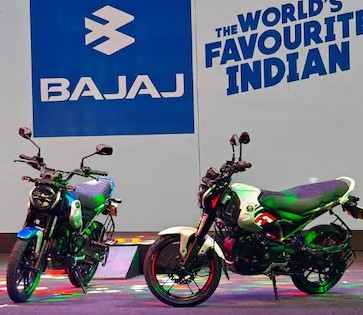

Bajaj Auto has once again pushed the boundaries of innovation. With the launch of the world’s first CNG-powered motorcycle, the Bajaj Freedom. This groundbreaking motorcycle starts at an attractive price of Rs 95,000. The top two versions, the Freedom 125 Disc LED and Freedom 125 Drum LED, are priced at Rs 1.10 lakh and Rs 1.05 lakh, respectively. The Bajaj Freedom is set to redefine the landscape of economical commuting in India. The Bajaj Freedom is available in three different configurations. Everything is priced ex-showroom.
Revolutionary Fuel System of Bajaj
The hallmark of the Bajaj Freedom is its pioneering dual-fuel system. This motorcycle is equipped with a 2kg CNG tank. Cleverly positioned in the central area of the bike to optimize weight distribution. Above and forward of the CNG tank is a 2-litre petrol tank. It is situated in the usual position for fuel tanks on conventional motorcycles. This innovative setup allows the rider to switch between CNG and petrol at the flick of a switch. It provides both flexibility and convenience. Notably, the bike features a common filler cap for both CNG and petrol, streamlining the refueling process.
Exceptional Range and Efficiency
One of the key advantages of the Bajaj Freedom is its impressive range. Combining the capacities of the CNG and petrol tanks, the motorcycle offers a total range of approximately 330 kilometers. This makes it an ideal choice for daily commuters who seek both cost efficiency and environmental benefits. The CNG fuel option significantly reduces running costs and emissions. This makes the Bajaj Freedom a sustainable choice. It addresses rising fuel prices and increasing environmental concerns.
Performance and Specifications
Under the hood, a robust 125cc, air-cooled, single-cylinder engine powers the Bajaj Freedom. This engine delivers 9.5bhp at 8,000rpm and 9.7Nm of torque at 6,000rpm, providing ample power for city commuting while maintaining fuel efficiency. A five-speed gearbox mates with the engine, ensuring smooth and responsive gear shifts. The design of the powertrain balances performance with economy, catering to the needs of urban riders.
Distinctive Design
While the Bajaj Freedom prioritizes functionality, its design is far from ordinary. The motorcycle features an LED headlight in the top two variants, which not only enhances visibility and safety but also adds a modern touch to its appearance. The dirt bike-style fuel tank, along with the longest seat in its segment as claimed by Bajaj, offers both aesthetic appeal and comfort. The sleek tail section further accentuates the bike’s contemporary look, making it a standout in the commuter motorcycle segment.
Advanced Features of Bajaj
Bajaj has packed the Freedom with advanced features that cater to the modern rider’s needs. It comes with a digital instrument cluster that includes Bluetooth connectivity, allowing riders to stay connected and access essential information effortlessly. This feature is particularly useful for navigating city traffic and staying informed about the bike’s performance metrics.
A tubular trellis frame maintains the motorcycle’s structural integrity, supported by a telescopic fork at the front and a linked monoshock at the rear. This setup ensures a comfortable and stable ride, capable of handling the diverse road conditions typical of urban environments. The Freedom rides on a 17-inch front wheel and a 16-inch rear wheel, providing stability and control. A disc brake at the front and a drum brake at the rear manage the braking duties for the higher variants, while drum brakes on both wheels feature on the base variant.
Market Impact and Availability
The introduction of the Bajaj Freedom is expected to revolutionize the economical commuting segment in India. Its innovative dual-fuel system, combined with modern design and advanced features, positions it as a compelling option for urban commuters seeking cost-effective and eco-friendly transportation solutions. This motorcycle not only addresses the practical aspects of commuting but also aligns with the growing demand for sustainable mobility options.
On the Bajaj website and in dealerships, reservations for the Bajaj Freedom are currently being accepted. The bike will initially be available in Maharashtra and Gujarat within a month, with plans for a broader rollout in the future. The positive market response to this groundbreaking innovation will likely pave the way for more manufacturers to explore alternative fuel options in the motorcycle segment.
The launch of the Bajaj Freedom marks a significant milestone in the evolution of commuter motorcycles. As the world’s first CNG-powered motorcycle, it represents a forward-thinking approach to sustainable and efficient transportation. Bajaj’s commitment to innovation and environmental responsibility is evident in this remarkable offering. It will be fascinating to see how the market responds to the Bajaj Freedom and the impact it will have on the future of economical commuting in India.