

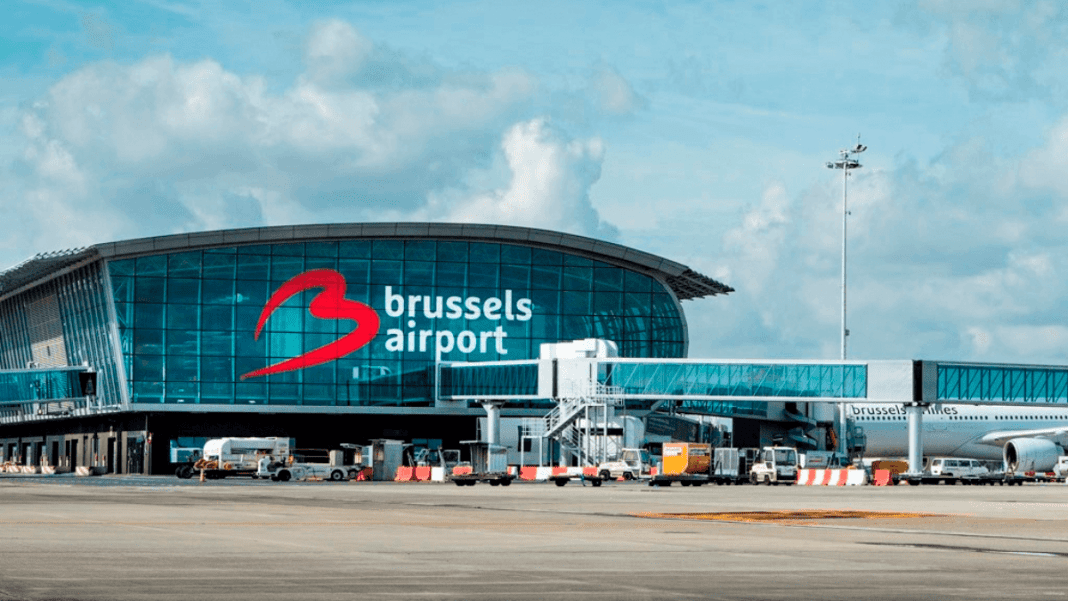
Chaos Hits Brussels Airport as Nearly 140 Flights Cancelled Amid Europe Cyberattack

Major Disruptions Hit European Airports

Brussels Airport is facing massive disruptions after a cyberattack affected its check-in systems. The airport asked airlines to cancel nearly 140 departing flights scheduled for Monday. This comes after cancellations of 25 flights on Saturday and 50 flights on Sunday.

The problems started late Friday when airports in Berlin, Brussels, and London reported issues with electronic check-in systems. Airlines and airport staff had to rely on backup solutions, such as manually handwriting boarding passes or using spare laptops. Despite the chaos, many other European airports were not affected.

The cyberattack targeted software provided by Collins Aerospace. Passengers use this system to check in, print boarding passes, print bag tags, and manage luggage dispatch. The U.S.-based company confirmed on Saturday that there was a “cyber-related disruption” affecting select airports in Europe.

It is not yet clear who is behind the attack. Experts suggest it could involve hackers, criminal organizations, or even state-sponsored actors. The cyberattack affected the check-in systems, but aviation authorities kept safety and air traffic control secure. The European Commission confirmed that there were no signs of a severe or widespread attack.

Impact on Flights and Airport Operations

Brussels Airport is the hardest hit among affected airports. On Sunday, officials said they had to cancel half of the 276 scheduled departing flights for Monday. The main reason is that Collins Aerospace has not yet delivered a secure version of the check-in system.

Airports in London and Berlin have started showing signs of improvement. Heathrow and Berlin Brandenburg Airport reported smoother flight operations, though waiting times remained longer than usual. Airports advised passengers to use online check-in, self-service kiosks, or fast bag drop options to avoid delays.

British teen faces U.S. charges for $115 million cybercrime spree targeting companies and courts

At Brussels, the airport managed to maintain about 85 percent of scheduled departures over the weekend. Extra staff deployed and the continued operation of some services, like self bag drop and online check-in, made this possible. However, manual check-in processes remained necessary for many travelers.

Airport spokespersons explained that only check-in desk computers were affected. Self-service kiosks continued to function. Teams have been using backup laptops and alternative systems to reduce the impact on passengers.

Passengers were strongly advised to check the status of their flights before heading to the airport. Airlines and airport authorities emphasized using all available options to manage the check-in process.

Response from Companies and Airports

Collins Aerospace, owned by RTX Corp., acknowledged the issue and said it was working to resolve it. The company emphasized that the disruption was limited to electronic check-in and baggage drop systems. Manual check-in operations could help reduce the impact.

Heathrow Airport confirmed that despite delays, the majority of flights continued to operate. Officials urged passengers to rely on online check-in and self-service options whenever possible.

Shocking Cyberattack Paralyzes Aeroflot Flights Causing Travel Chaos at Russian Airports

Brandenburg Airport warned passengers that the systems outage would cause longer waiting times and advised them to use self-service check-in and fast bag drop services to minimize delays.

Airports across Europe continue to manage the fallout from the attack. While Brussels remains heavily affected, staff and airlines are working together to keep as many flights running as possible. Passengers are encouraged to remain patient and use all available check-in options.

Renuka Bangale
Renuka Bangale
Renuka is a distinguished Chartered Accountant and a Certified Digital Threats Analyst from Riskpro, renowned for her expertise in cybersecurity. With a deep understanding of cybercrimes, malware, cyber warfare, and espionage, she has established herself as an authority in the field. Renuka combines her financial acumen with advanced knowledge of digital threats to provide unparalleled insights into the evolving landscape of information security. Her analytical prowess enables her to dissect complex cyber incidents, offering clarity on risks and mitigation strategies. As a key contributor to Newsinterpretation’s information security category, Renuka delivers authoritative articles that educate and inform readers about emerging threats and best practices.

TOP 10 TRENDING ON NEWSINTERPRETATION

Cyber Attacks on Space Infrastructure: Satellites, GPS and the Ground Systems Behind Them

From the Viasat KA-SAT hack to GPS jamming over the Baltic, a research guide to how attackers target satellites, navigation signals and ground stations, and why it matters on Earth.

How AI Agents Are Used in Cyber Attacks: From Assisted Hacking to AI-Orchestrated Espionage

Attackers now use AI agents to scan networks, write exploits and run extortion campaigns. A research guide to documented cases, including the first reported AI-orchestrated espionage campaign, and what defenders should do.

Cyber Attacks on AI and LLMs: How Attackers Target Large Language Models

Prompt injection, data poisoning, model theft and jailbreaks: a research guide to how attackers target AI systems and large language models, with real cases and defences.

French Supermarket Refrigeration Cyberattack: How Hacking the Cold Chain Can Endanger Lives

In October 2026 attackers heated refrigeration cabinets in hundreds of French supermarkets to as much as 50°C. No one was hurt, but the attack shows how hacking the cold chain can endanger lives through fire, food poisoning and spoiled medicines.

Cyberattacks on Nuclear Facilities: Stuxnet, Kudankulam and the Limits of Air Gaps

Stuxnet, the Davis-Besse worm and malware at India’s Kudankulam plant: what they show about cyber risk at nuclear facilities and the limits of air gaps.

Triton: When Hackers Target the Safety Systems That Prevent Industrial Disasters

The 2017 Triton attack targeted the safety systems that prevent industrial disasters. What happened, who was charged, and how plants protect their last line of defence.

Cybersecurity Risks in Smart Cities: When Connected Infrastructure Fails

How connecting traffic control, emergency alerts and utilities concentrates cyber risk in cities, what the Dallas and Atlanta incidents showed, and what governments recommend.

Weaponized Drones: Hijacking, GPS Spoofing and Emerging Cyber Warfare Risks

How drones can be hijacked, jammed or misled by GPS spoofing, what researchers have demonstrated, and why governments treat drone fleets as a security risk.

Ransomware Attacks on Hospitals: How Healthcare Cyberattacks Put Patients at Risk

How ransomware against hospitals and their suppliers delays care and endangers patients, what the Düsseldorf and WannaCry cases show, and what research says about deaths.

Operational blunder exposes massive Russian cyber espionage attack on Ukrainian prosecutors

A major cyberattack has compromised the email accounts of...

Cyber Attacks on Space Infrastructure: Satellites, GPS and the Ground Systems Behind Them

From the Viasat KA-SAT hack to GPS jamming over the Baltic, a research guide to how attackers target satellites, navigation signals and ground stations, and why it matters on Earth.

French Supermarket Refrigeration Cyberattack: How Hacking the Cold Chain Can Endanger Lives

In October 2026 attackers heated refrigeration cabinets in hundreds of French supermarkets to as much as 50°C. No one was hurt, but the attack shows how hacking the cold chain can endanger lives through fire, food poisoning and spoiled medicines.

Cyberattacks on Nuclear Facilities: Stuxnet, Kudankulam and the Limits of Air Gaps

Stuxnet, the Davis-Besse worm and malware at India’s Kudankulam plant: what they show about cyber risk at nuclear facilities and the limits of air gaps.

Triton: When Hackers Target the Safety Systems That Prevent Industrial Disasters

The 2017 Triton attack targeted the safety systems that prevent industrial disasters. What happened, who was charged, and how plants protect their last line of defence.

Cybersecurity Risks in Smart Cities: When Connected Infrastructure Fails

How connecting traffic control, emergency alerts and utilities concentrates cyber risk in cities, what the Dallas and Atlanta incidents showed, and what governments recommend.

Ransomware Attacks on Hospitals: How Healthcare Cyberattacks Put Patients at Risk

How ransomware against hospitals and their suppliers delays care and endangers patients, what the Düsseldorf and WannaCry cases show, and what research says about deaths.

FBI warns of AVrecon malware targeting outdated routers linked to proxy based cybercrime

A serious cybersecurity warning has been issued regarding commonly...

Related Articles

Popular Categories
