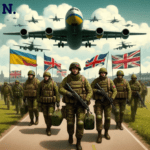
A recently declassified report has revealed some shocking facts regarding the extent of military aid given to the State of Israel by the United Kingdom. Which the mainstream media have chosen not to report. This report, relating to clandestine arms deals and a string of strategic cooperation. It has challenged the concept and narrative of UK-Israel relations and created deep questions around transparency and accountability within international affairs.
Military Cooperation
For all these years, the UK’s relations with Israel have been very complicated. Thus striking a balance between its diplomatic ties on one hand and public perceptions with international obligations on the other. The declassified documents show far more going on in the relationship than that—massive military cooperation that has largely evaded public scrutiny.
One of the biggest exposures this report makes is the extent of arms trade between the UK and Israel in sophisticated weaponry and military technology. While apparently some regulations or guidelines are supposed to govern this. The declassified documents seem to point to a pattern of arms sales that have gone underreported or downplayed many a time under the frequently used garb of strategic partnership and mutual defence interests.
The report also cites incidents wherein British military advisors and consultants have directly participated in the training of Israeli forces apart from advising them. Being particularly related to operational collaboration, there are ethical concerns over the military actions by Israel in Palestinian. The areas which have invited international condemnation and calls for an arms embargo.
Media Oversight and Military Secrecy
Critics, however, point out that the opaqueness surrounding these military ties. Hence belies the UK’s professed commitment to human rights and international law. It also makes the case difficult because of selective reporting by the mainstream media. Whereby the wider public remains largely unaware of the extent or implications of this UK-Israel military cooperation.
A declassified report points to a much more general concern: how the media handles its task of reporting on foreign affairs. The various incidents, even wars, that involve and surround Israel get enormous publicity. Although the basic equations of military support and strategic allies are omitted or grossly oversimplified in popular reports.
It also suggests that the government and military were then making some conscious effort. In order to obscure the totality of UK-Israel relations, using mechanisms such as classified documents and controlled public release for controlling information. Not only has this strategy been really effective in obtaining limited public awareness. But it seriously complicates the enactment of accountability and oversight within democratic frameworks.
Calls for Transparency and Ethical Considerations in Military Assistance
In the wake of these revelations, advocacy groups and many civil society organizations have called for more open management and tighter controls on arms exports to Israel. For them, effective control will mean respect for international humanitarian law and not being complicit in human rights violations.
The declassified report has also resurged debate within political circles concerning the morality of military assistance. Especially to those countries that are involved in perpetual conflict or occupation. In this regard, questions concerning the role played by the UK in the facilitation and perpetuation of regional instability. To share a lot of real estate in discourses on foreign policy and Britain’s national interests.
Media Influence and the Imperative for Transparent Military Relations
The role of the mainstream media in constructing public perception and discourse on international relations cannot be overemphasised. They drive public opinion and set the terms of policy debates by reporting on certain narratives while overlooking others. Failing to include critical information in relation to UK military support for Israel underlines that more comprehensive and subtle reporting is needed.
The declassified report is, therefore, a call for total openness in the UK-Israel relationship. It is ridden with accountability and adherence to international legal norms. It challenges governments, media outfits, and indeed all concerned stakeholders to have the courage. In order to face some uncomfortable truths and to maintain ethical standards in the pursuit of global peace and stability.
Unveiling UK-Israel Military Relations
This declassified report quoting UK military support for Israel raises disturbing questions. Regarding the omission on the part of mainstream media and poses profound moral questions vis-à-vis international relations. It does this by shining a light on the secret operations and undeclared allies. As these practices have emerged from governments and media reporting. But in the end, as much as the public struggles with the implications of these exposures, so too does the need for educated debate. Along with a responsible government take on an imperative role in shaping a just and fair global order.