

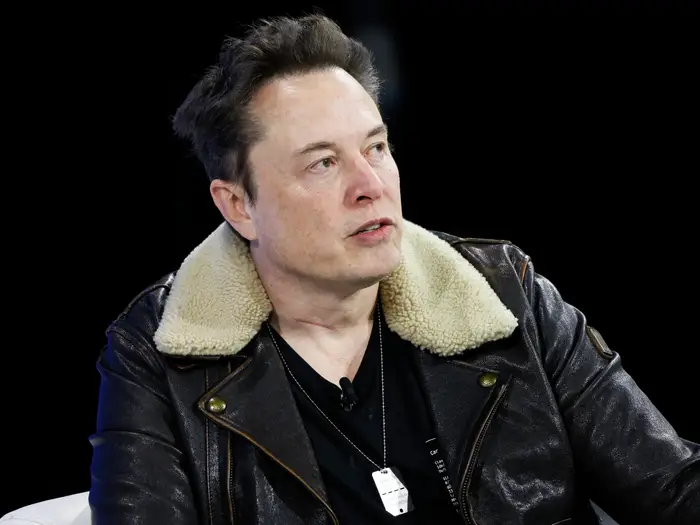

Misleading Marvels: The Peril of Deepfake Targeting Elon Musk During SpaceX Launch

YouTube faced another wave of deepfake scams involving Elon Musk, as scammers targeted viewers interested in SpaceX’s Starship rocket launch. Cybersecurity researchers at Avast Threat Labs revealed that over 35 YouTube channels live-streamed an AI-generated fake voice of Musk, promising to double cryptocurrency deposits.

What is Deepfake?

Deepfake technology, powered by deep learning algorithms, allows for the creation of highly realistic fake videos and audio recordings. These deepfakes can convincingly depict people saying or doing things they never actually did, raising significant concerns about misinformation and deception. While deepfakes have applications in entertainment, such as inserting actors into scenes or creating humorous videos, they also present serious risks, including the potential to spread fake news, manipulate elections, and damage reputations.
The technology’s ability to generate convincing fake content has led to calls for increased regulation and awareness. Efforts to combat deepfakes include developing detection tools to identify manipulated media, promoting media literacy to help people recognize fake content, and establishing guidelines for the ethical use of deepfake technology.

Why is Musk the Target ?

Elon Musk is a frequent target of deepfake technology due to his high profile and public presence. As the CEO of Tesla and SpaceX, Musk is a prominent figure in the technology and space exploration industries, making him a recognizable and influential individual. Additionally, Musk is known for his active presence on social media, where he often shares updates and opinions on various topics, further increasing his visibility and making him a potential target for those seeking to create fake content.
Moreover, Musk’s statements and actions often garner significant attention from the media and the public, making him a potentially lucrative target for those seeking to spread misinformation or scams. Musk’s involvement and interest in cryptocurrencies, particularly Dogecoin, have also made him a target for crypto-related scams, as scammers may seek to capitalize on his association with the industry to deceive others. Overall, Musk’s prominence, visibility, and involvement in various industries and public discussions make him a prime target for those looking to create deepfake content for malicious purposes.

Coordinated Scam Efforts

The scammy streams coincided with SpaceX’s real fourth test launch of the Starship rocket, highlighting the scammers’ efforts to leverage the event for deception. It was observed that one YouTube channel posing as an official SpaceX account, attracting 170,000 viewers—likely bots—to create an illusion of legitimacy.

Elon Musk Defamation Lawsuit Escalates with Request for Lawyer Sanctions

Convincing Deception

The livestreams displayed wide-angle footage of Musk at a SpaceX event, with some blurring his face just enough to make the fake content challenging to spot. An AI voice imitated Musk’s speech patterns, including stutters and pauses, promising viewers a chance to double their cryptocurrency.

Fake Promises During SpaceX Launch

The AI voice instructed viewers to send Bitcoin or Ether to an address to receive double the amount back, claiming it was a genuine giveaway. This deception was enhanced by recordings of applause, creating an illusion of legitimacy.
It remains unclear how many viewers fell victim to the scams, but observations showed significant sums in various cryptocurrency wallets associated with the scams. Transactions continued to occur even after the livestreams were removed.
The scammers’ persistence was evident as they rebranded their YouTube channel to mimic the Cardano Foundation after the takedown. They continued pushing the same scam through a deepfake livestream of Cardano co-founder Charles Hoskinson.

The Exploitation of Musk’s Influence

Elon Musk’s public support for cryptocurrencies, particularly Dogecoin, has made him a prime target for such scams. His involvement in high-profile projects like SpaceX further amplifies the scammers’ appeal and the believability of their deception.
YouTube and other platforms continue to face challenges in combating deepfake content. The case highlights the need for robust measures to detect and remove such deceptive content to protect users from financial losses and misinformation.
Mayur Joshi
Mayur Joshihttps://riskpro.co.in/mayur-joshi/
Mayur Joshi is a Chartered Accountant and forensic accountant, founder of Indiaforensic Center of Studies and of Riskpro, a risk and compliance firm established in 2008. He is a member of EC-Council’s Global Advisory Board for Computer Forensics. His professional work is in forensic accounting, fraud investigation and anti-money laundering, and he writes on digital threats and cyber security for Newsinterpretation. He is a cyber security expert who contributes on topics such as cyber attacks, information security and hacking.

TOP 10 TRENDING ON NEWSINTERPRETATION

Cyber Attacks on Space Infrastructure: Satellites, GPS and the Ground Systems Behind Them

From the Viasat KA-SAT hack to GPS jamming over the Baltic, a research guide to how attackers target satellites, navigation signals and ground stations, and why it matters on Earth.

How AI Agents Are Used in Cyber Attacks: From Assisted Hacking to AI-Orchestrated Espionage

Attackers now use AI agents to scan networks, write exploits and run extortion campaigns. A research guide to documented cases, including the first reported AI-orchestrated espionage campaign, and what defenders should do.

Cyber Attacks on AI and LLMs: How Attackers Target Large Language Models

Prompt injection, data poisoning, model theft and jailbreaks: a research guide to how attackers target AI systems and large language models, with real cases and defences.

French Supermarket Refrigeration Cyberattack: How Hacking the Cold Chain Can Endanger Lives

In October 2026 attackers heated refrigeration cabinets in hundreds of French supermarkets to as much as 50°C. No one was hurt, but the attack shows how hacking the cold chain can endanger lives through fire, food poisoning and spoiled medicines.

Cyberattacks on Nuclear Facilities: Stuxnet, Kudankulam and the Limits of Air Gaps

Stuxnet, the Davis-Besse worm and malware at India’s Kudankulam plant: what they show about cyber risk at nuclear facilities and the limits of air gaps.

Triton: When Hackers Target the Safety Systems That Prevent Industrial Disasters

The 2017 Triton attack targeted the safety systems that prevent industrial disasters. What happened, who was charged, and how plants protect their last line of defence.

Cybersecurity Risks in Smart Cities: When Connected Infrastructure Fails

How connecting traffic control, emergency alerts and utilities concentrates cyber risk in cities, what the Dallas and Atlanta incidents showed, and what governments recommend.

Weaponized Drones: Hijacking, GPS Spoofing and Emerging Cyber Warfare Risks

How drones can be hijacked, jammed or misled by GPS spoofing, what researchers have demonstrated, and why governments treat drone fleets as a security risk.

Ransomware Attacks on Hospitals: How Healthcare Cyberattacks Put Patients at Risk

How ransomware against hospitals and their suppliers delays care and endangers patients, what the Düsseldorf and WannaCry cases show, and what research says about deaths.

Operational blunder exposes massive Russian cyber espionage attack on Ukrainian prosecutors

A major cyberattack has compromised the email accounts of...

Cyber Attacks on Space Infrastructure: Satellites, GPS and the Ground Systems Behind Them

From the Viasat KA-SAT hack to GPS jamming over the Baltic, a research guide to how attackers target satellites, navigation signals and ground stations, and why it matters on Earth.

French Supermarket Refrigeration Cyberattack: How Hacking the Cold Chain Can Endanger Lives

In October 2026 attackers heated refrigeration cabinets in hundreds of French supermarkets to as much as 50°C. No one was hurt, but the attack shows how hacking the cold chain can endanger lives through fire, food poisoning and spoiled medicines.

Cyberattacks on Nuclear Facilities: Stuxnet, Kudankulam and the Limits of Air Gaps

Stuxnet, the Davis-Besse worm and malware at India’s Kudankulam plant: what they show about cyber risk at nuclear facilities and the limits of air gaps.

Triton: When Hackers Target the Safety Systems That Prevent Industrial Disasters

The 2017 Triton attack targeted the safety systems that prevent industrial disasters. What happened, who was charged, and how plants protect their last line of defence.

Cybersecurity Risks in Smart Cities: When Connected Infrastructure Fails

How connecting traffic control, emergency alerts and utilities concentrates cyber risk in cities, what the Dallas and Atlanta incidents showed, and what governments recommend.

Ransomware Attacks on Hospitals: How Healthcare Cyberattacks Put Patients at Risk

How ransomware against hospitals and their suppliers delays care and endangers patients, what the Düsseldorf and WannaCry cases show, and what research says about deaths.

FBI warns of AVrecon malware targeting outdated routers linked to proxy based cybercrime

A serious cybersecurity warning has been issued regarding commonly...

Related Articles

Popular Categories
