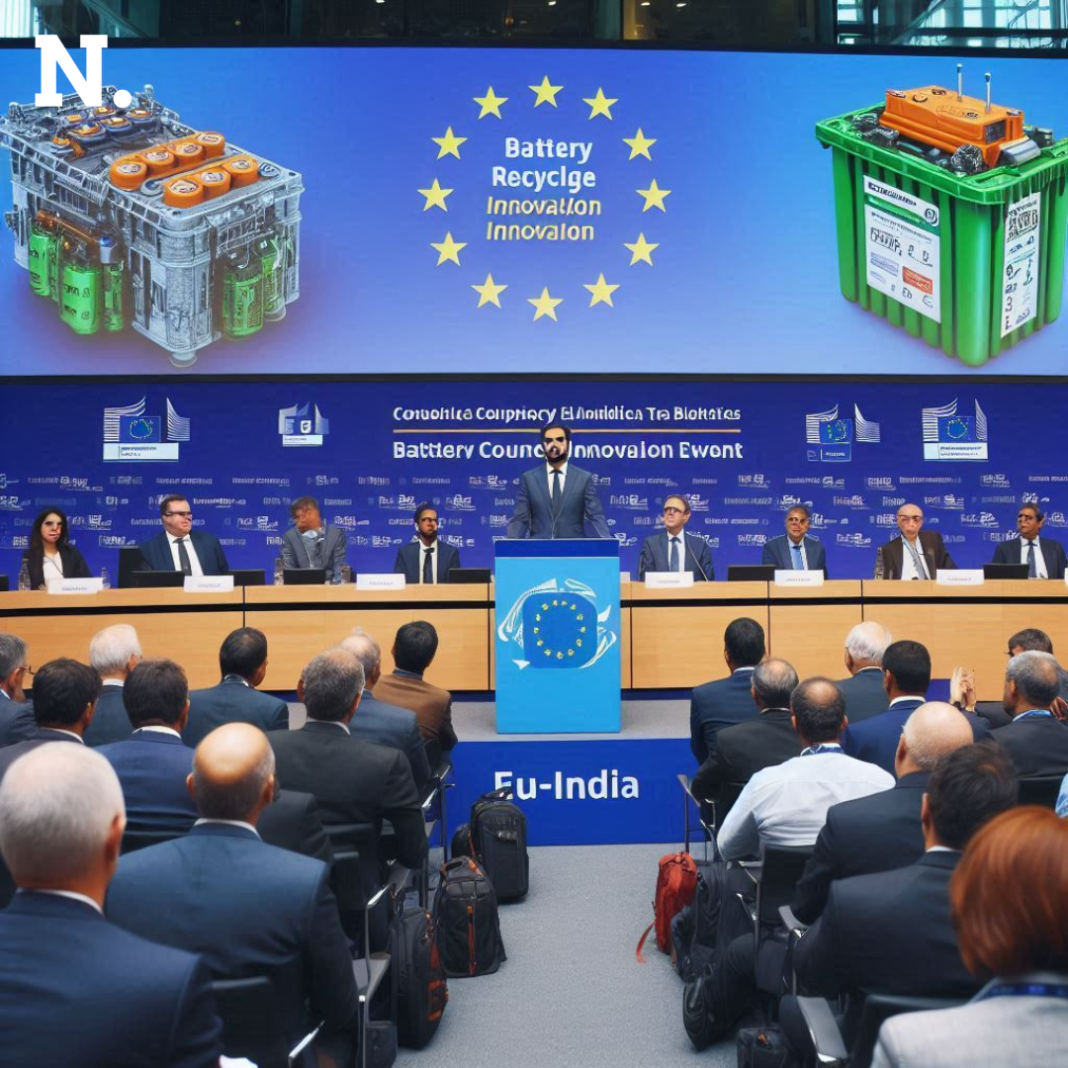

In the pursuit of bringing together cutting-edge innovation and sustainable practices. The European Union-India Trade and Technology Council Working Group 2 organized a high-profile start-up matchmaking event featuring Battery Recycling Technologies for Electric Vehicles. This activity brought together twelve high-impact solution providers from both regions. Who presented their innovative approaches in this fast-emerging area of battery recycling.
EU- India: Battery Recycling Innovations
The event, as one can guess, brought together six start-ups from India and six from the EU member states, following an rigorous process of selection. An independent Committee of Experts from each side, after call for Expression of Interest, had looked at different applications based on scientific merit, market readiness, and prospects of cooperation. Only those technologies that have been really promising and impactful were presented.
The timing of the matchmaking event was appropriate. Given the commitment of the EU and India to sustainability, innovation, and closer economic ties. The event provided a single platform whereby these start-ups could pitch for their technologies. Thereby fast-tracking the development and deployment of advanced battery recycling solutions. That help feed the growing electric vehicle sector.
Battery Recycling Startups from India
The startups participating are all from India, with Lohum, LW3 Pvt Ltd., BatX Energies, Evergreen Lithium Recycling Pvt Ltd., Metastable Materials Pvt Ltd., and CENALL Waste Management LLP representing the entire value chain from collection to extraction of valuable minerals. Representing the European Union were Alterity, Ecomet Refining, Eneris, Primobius, RockTech, and Tozero. All the companies spoke exclusively of their unique solutions and business models. That allowed showing preparedness for taking up the challenges of battery recycling and scaling up.
The event was opened by opening remarks from Saurabh Kumar, Ambassador of India to Belgium, Luxembourg, and the European Union, and Herve Delphin, Ambassador of the European Union to India. Their speeches reaffirmed the strategic significance of the EU-India partnership. In leading innovation and sustainability in the EV sector.
The event was also addressed by Professor Ajay Kumar Sood, Principal Scientific Adviser to the Government of India, and Marc Lemaitre, Director-General for Research and Innovation at the European Commission. According to Prof. Sood, such initiatives can foster exchange, networking, and investments. Lemaitre highlighted the environmental gains accruing from advanced battery recycling technologies. And the role of innovation-led partnerships.
Exchange Programs: Enhance Battery Recycling Expertise
In return, three start-ups from the EU and India each will participate in a match-making event, after which they will spend a week in market immersion in the opposite region. This will enable these companies to have direct interactions with key stakeholders. Discuss possible collaboration, and understand the local market landscape. The visits have a good chance of establishing pilot projects. Commercial opportunities, and co-development initiatives that will strengthen EU-India ties in the area of battery recycling.
Today’s matchmaking event brings together the finest talent and technologies in the battery recycling space on both sides. Providing them with an exclusive platform for exchange, networking, and prospective investments, according to Professor Ajay Kumar Sood. In a similar vein, he said, exchange trips for visiting facilities about EV battery recycling would significantly enhance the participants’ understanding of the EV ecosystems in both regions.
Marc Lemaitre said, in his opening remarks, “Every step towards advanced battery recycling is a significant carbon-win for our environment. This matchmaking event is such a step by bringing together innovative start-ups from both regions that want to scale up. Green solutions under the umbrella of the EU-India Trade and Technology Council,”.
Commitment to Sustainability
The vastly successful event underlines the potential of international cooperation in solving common global challenges. What the EU-India Trade and Technology Council is doing here is to foster innovation, thereby facilitating collaboration. Toward a more sustainable and technologically advanced future. The insight and synergies developed through this initiative will play a great role in supporting the intrinsic battery recycling industry. Of the EV sustainability sector.
With the selected start-ups preparing to take their immersion, the broader industry looks on. In both regions and the world at large, we are forging partnerships and developing innovations that will significantly advance battery recycling technologies, propelling us toward a cleaner and greener future.