FCC Slams AT&T, Verizon, T-Mobile with Massive $200M Fine for Illegally Sharing Users’ Location Data

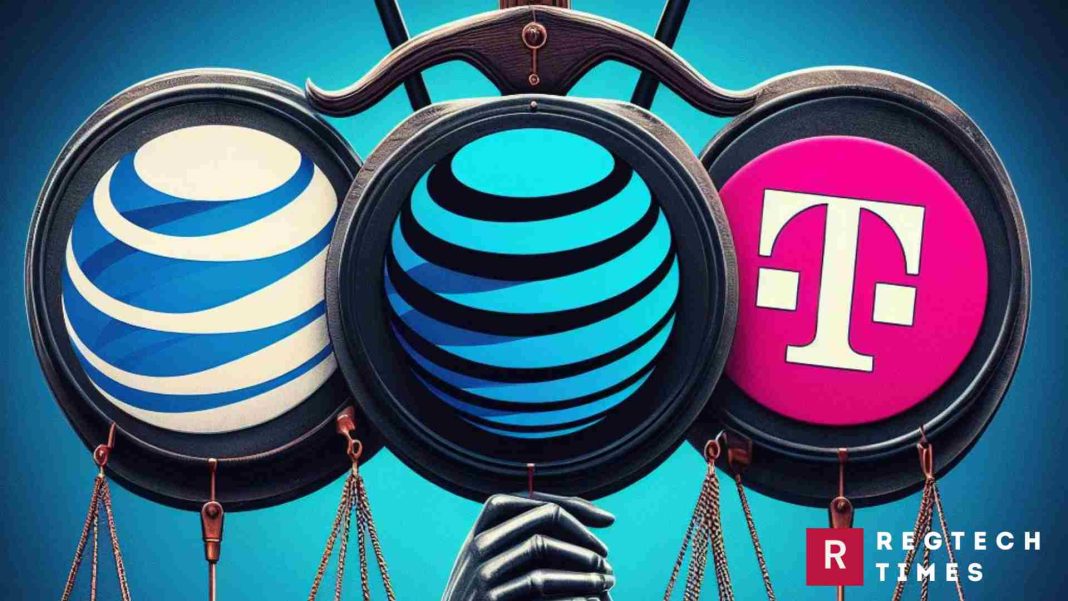
The Federal Communications Commission (FCC) has issued a substantial fine of nearly $200 million against the four largest wireless carriers in the US – AT&T, Verizon, T-Mobile (including its subsidiary Sprint) – for illegally sharing customers’ location data.
This decision, which was first announced in February 2020 and finalized recently, comes after a long investigation into the unauthorized sharing of sensitive user information, highlighting serious concerns about user privacy.

Verizon, Sprint and AT&T Sold the Data to Aggregators

The investigation, initiated four years ago, was triggered by allegations that major wireless carriers had unlawfully shared customers’ geolocation data with “location aggregators” without obtaining consent from the customers. This data was then further disseminated to third-party entities for their commercial benefit. The FCC alleges that this practice led to user location data being accessed by entities such as bail-bond companies and bounty hunters, without the explicit permission of the users.
The four wireless carriers involved in the investigation are significant players in the US mobile market, collectively serving millions of subscribers. The investigation’s findings are particularly concerning due to the sensitive nature of location data, which can provide detailed insights into an individual’s movements and habits. With unauthorized access to this data, users could be at risk of being tracked, stalked, or targeted for fraudulent activities.
AT&T was fined over $57 million, and Verizon was fined almost $47 million. T-Mobile and Sprint, which merged since the investigation began, have been fined $92 million
You May also Like
FCC Chair Jessica Rosenworcel emphasized the seriousness of the issue, stating that telecommunications providers have access to some of the most sensitive information about individuals.
Jessica Rosenworcel is an American attorney who currently serves as the Chairwoman of the Federal Communications Commission (FCC). She was first appointed as a Commissioner to the FCC by President Barack Obama in May 2012 and was confirmed by the Senate later that year. Rosenworcel has a background in telecommunications policy and has worked on issues related to broadband access, net neutrality, and spectrum policy.
She underscored the carriers’ failure to protect this information and emphasized the importance of holding them accountable for their obligations to protect customer data.

FCC on Twitter

The Federal Communications Commission (FCC) is an independent agency of the United States government that regulates interstate and international communications by radio, television, wire, satellite, and cable.

The wireless division of Verizone operates a nationwide network that provides voice and data services to mobile phones, tablets, and other wireless devices

The FCC’s responsibilities include regulating the use of the radio spectrum, promoting competition, and ensuring that communication services are accessible to all Americans. The FCC also oversees the construction of communications infrastructure and enforces regulations to protect consumers and promote public safety.

FCC delivers a resounding blow to US telecom giants, imposing a staggering $200M fine for unauthorized sharing of users’ location data. The action comes after a lengthy investigation into the carriers’ practices, highlighting serious concerns about privacy violations.

The FCC announced this information on Twitter and confirmed the numbers.

Defying the FCC Decision

In response to the FCC’s findings, the four major wireless carriers expressed their intention to appeal the decision. They argued that the fines were unjust and contested the legal and factual basis of the FCC’s findings. Verizon criticized the FCC for penalizing them for supporting “life-saving location services,” while T-Mobile called the fine “excessive” and highlighted that the program in question had been discontinued over five years ago.
The fines imposed by the FCC underscore the importance of protecting user privacy and ensuring that telecommunications providers adhere to strict standards when handling sensitive information. The outcome of this case is likely to have broader implications for data privacy regulations and enforcement in the telecommunications industry.

Mayur Joshi
Mayur Joshihttps://riskpro.co.in/mayur-joshi/
Mayur Joshi is a Chartered Accountant and forensic accountant, founder of Indiaforensic Center of Studies and of Riskpro, a risk and compliance firm established in 2008. He is a member of EC-Council’s Global Advisory Board for Computer Forensics. His professional work is in forensic accounting, fraud investigation and anti-money laundering, and he writes on digital threats and cyber security for Newsinterpretation. He is a cyber security expert who contributes on topics such as cyber attacks, information security and hacking.

TOP 10 TRENDING ON NEWSINTERPRETATION

Cyber Attacks on Space Infrastructure: Satellites, GPS and the Ground Systems Behind Them

From the Viasat KA-SAT hack to GPS jamming over the Baltic, a research guide to how attackers target satellites, navigation signals and ground stations, and why it matters on Earth.

How AI Agents Are Used in Cyber Attacks: From Assisted Hacking to AI-Orchestrated Espionage

Attackers now use AI agents to scan networks, write exploits and run extortion campaigns. A research guide to documented cases, including the first reported AI-orchestrated espionage campaign, and what defenders should do.

Cyber Attacks on AI and LLMs: How Attackers Target Large Language Models

Prompt injection, data poisoning, model theft and jailbreaks: a research guide to how attackers target AI systems and large language models, with real cases and defences.

French Supermarket Refrigeration Cyberattack: How Hacking the Cold Chain Can Endanger Lives

In October 2026 attackers heated refrigeration cabinets in hundreds of French supermarkets to as much as 50°C. No one was hurt, but the attack shows how hacking the cold chain can endanger lives through fire, food poisoning and spoiled medicines.

Cyberattacks on Nuclear Facilities: Stuxnet, Kudankulam and the Limits of Air Gaps

Stuxnet, the Davis-Besse worm and malware at India’s Kudankulam plant: what they show about cyber risk at nuclear facilities and the limits of air gaps.

Triton: When Hackers Target the Safety Systems That Prevent Industrial Disasters

The 2017 Triton attack targeted the safety systems that prevent industrial disasters. What happened, who was charged, and how plants protect their last line of defence.

Cybersecurity Risks in Smart Cities: When Connected Infrastructure Fails

How connecting traffic control, emergency alerts and utilities concentrates cyber risk in cities, what the Dallas and Atlanta incidents showed, and what governments recommend.

Weaponized Drones: Hijacking, GPS Spoofing and Emerging Cyber Warfare Risks

How drones can be hijacked, jammed or misled by GPS spoofing, what researchers have demonstrated, and why governments treat drone fleets as a security risk.

Ransomware Attacks on Hospitals: How Healthcare Cyberattacks Put Patients at Risk

How ransomware against hospitals and their suppliers delays care and endangers patients, what the Düsseldorf and WannaCry cases show, and what research says about deaths.

Operational blunder exposes massive Russian cyber espionage attack on Ukrainian prosecutors

A major cyberattack has compromised the email accounts of...

Cyber Attacks on Space Infrastructure: Satellites, GPS and the Ground Systems Behind Them

From the Viasat KA-SAT hack to GPS jamming over the Baltic, a research guide to how attackers target satellites, navigation signals and ground stations, and why it matters on Earth.

French Supermarket Refrigeration Cyberattack: How Hacking the Cold Chain Can Endanger Lives

In October 2026 attackers heated refrigeration cabinets in hundreds of French supermarkets to as much as 50°C. No one was hurt, but the attack shows how hacking the cold chain can endanger lives through fire, food poisoning and spoiled medicines.

Cyberattacks on Nuclear Facilities: Stuxnet, Kudankulam and the Limits of Air Gaps

Stuxnet, the Davis-Besse worm and malware at India’s Kudankulam plant: what they show about cyber risk at nuclear facilities and the limits of air gaps.

Triton: When Hackers Target the Safety Systems That Prevent Industrial Disasters

The 2017 Triton attack targeted the safety systems that prevent industrial disasters. What happened, who was charged, and how plants protect their last line of defence.

Cybersecurity Risks in Smart Cities: When Connected Infrastructure Fails

How connecting traffic control, emergency alerts and utilities concentrates cyber risk in cities, what the Dallas and Atlanta incidents showed, and what governments recommend.

Ransomware Attacks on Hospitals: How Healthcare Cyberattacks Put Patients at Risk

How ransomware against hospitals and their suppliers delays care and endangers patients, what the Düsseldorf and WannaCry cases show, and what research says about deaths.

FBI warns of AVrecon malware targeting outdated routers linked to proxy based cybercrime

A serious cybersecurity warning has been issued regarding commonly...

Related Articles

Popular Categories