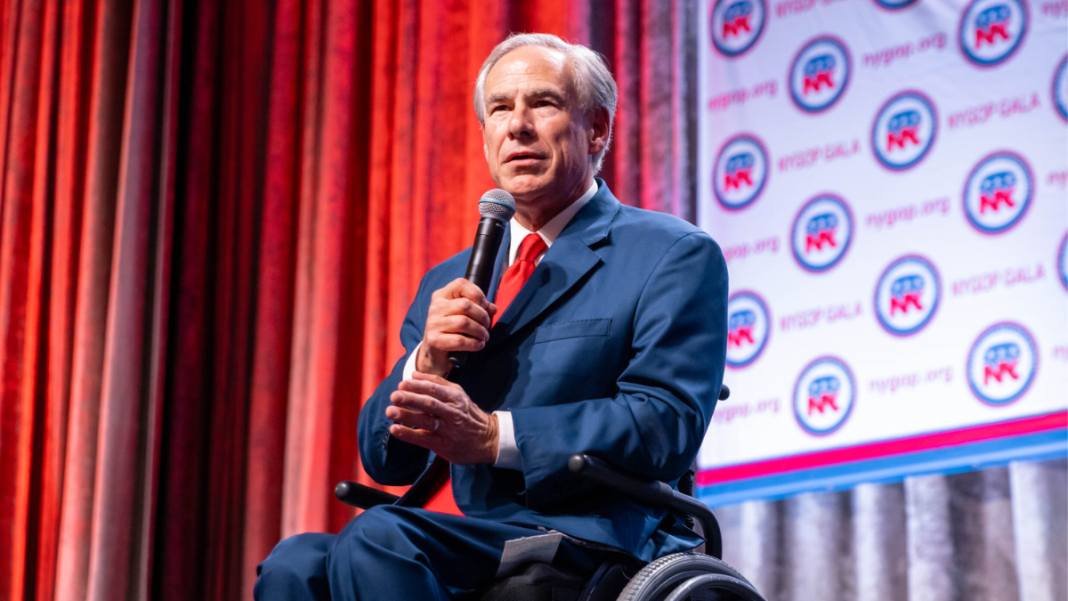

North Texas politics experienced a major shift after a Democrat secured a surprising victory in a district that has traditionally supported Republicans for years. The unexpected result has sparked reactions from state leaders, including Texas Governor Greg Abbott, party officials, and political analysts who are closely watching voter behavior. The election has also triggered debates about campaign strategies and turnout patterns across Texas.
The win took place in State Senate District 9 in Tarrant County, a region widely considered a Republican stronghold. The outcome has drawn statewide and national attention because it challenges long-standing political trends. Greg Abbott acknowledged that special elections can sometimes produce unusual results and emphasized that individual races do not always represent broader statewide political patterns. Leaders from both major parties are now analyzing the result and its impact on upcoming elections.
Taylor Ramett’s Victory Surprises Republican Stronghold
Democrat Taylor Ramett, a union president from Fort Worth, defeated Republican activist Lee Wamsgons in the special runoff election. Ramett secured 57 percent of the vote, while Wamsgons received 43 percent. The margin of victory surprised political observers because Republicans have historically dominated the district. Political discussions surrounding the result have also focused on how Republican leadership, including Governor Greg Abbott, may adjust campaign strategies ahead of future elections.
Ramett credited his win to direct engagement with voters. He said he spent months meeting residents across neighborhoods, including Republicans and independent voters. Ramett explained that he focused on listening to everyday concerns such as rising living costs and economic struggles faced by families. He emphasized that many voters, regardless of political affiliation, shared similar financial challenges.
Ramett also confirmed he had a brief conversation with Lieutenant Governor Dan Patrick following the election. The discussion focused on transition planning and cooperation. Ramett and Wamsgons are expected to face each other again in the general election later this year, making the race highly competitive. Political observers note that statewide Republican leadership, including Greg Abbott, is expected to closely monitor voter turnout trends leading into the rematch.
Wamsgons described the defeat as a warning sign for Republicans. She stated that Democratic voters appeared more energized during the special election, while some Republican supporters did not participate. Tarrant County GOP Chairman Tim Davis echoed that concern and expressed confidence that higher turnout in the general election could produce different results.
Republican pollster Ross Hunt released an analysis showing that a portion of Republican and independent voters supported Ramett. Hunt said voting data suggested that candidate appeal and connection with working-class voters may have influenced the results. The findings have drawn attention from political leaders across Texas, including Governor Greg Abbott, as parties review voter behavior ahead of upcoming elections.
Greg Abbott and Donald Trump Respond to the Election Outcome
Texas Governor Greg Abbott responded to the election by acknowledging that special elections can sometimes produce unexpected results. Greg Abbott suggested that individual races do not always reflect broader political trends across Texas. His comments highlighted the importance of voter turnout and election timing in shaping results.
Former President Donald Trump, who endorsed Lee Wamsgons during the race, also reacted to the loss. Trump stated that election surprises happen and noted that he was not personally on the ballot. He also indicated that he may announce endorsements in upcoming Republican primary races for the United States Senate.
The Senate primary race is showing close competition. Polling from JL Partners shows Attorney General Ken Paxton leading with 27 percent support. Congressman Wesley Hunt follows with 25.7 percent, while Senator John Cornyn holds 25.5 percent. A significant number of voters remain undecided, keeping the race highly unpredictable.
Political Rivalries and Campaign Battles Intensify Across Texas
Political tension is also growing among Democratic candidates. Former Dallas Congressman Colin Allred criticized Senate candidate James Talarico following allegations about remarks made during a private conversation. A social media video claimed Talarico used controversial language while discussing Allred and Congresswoman Jasmine Crockett, who is also competing in the Senate race.
Allred responded by endorsing Crockett and criticizing the reported comments. Talarico denied racial intent and stated his words were misunderstood. Crockett later defended Allred’s leadership and character while avoiding direct involvement in the dispute.
Another major political contest is unfolding in the Republican primary for Texas Agriculture Commissioner. Governor Greg Abbott endorsed challenger Nate Sheets instead of supporting the incumbent Sid Miller. Miller responded by defending his record and highlighting policy disagreements with Greg Abbott. He also addressed hiring political consultant Todd Smith, who previously faced legal issues related to licensing matters.
Trump tariffs put Audi’s US factory at risk as Volkswagen counts $2.5bn hit
Miller promoted his Farm Fresh program, which encourages schools to serve locally grown food. He stated that more than 80 percent of Texas schools participate and that schools purchased about $300 million worth of local food products last year.
Meanwhile, immigration enforcement policies remain a major political issue in Texas and nationwide. Lawmakers continue discussing proposed rules involving identification requirements, body camera use, and procedures for entering private property during enforcement actions. Early voting for upcoming primary elections in Texas is scheduled to begin soon.