


Mangaluru’s Cruise Tourism Suffers as Red Sea Crisis Continues

Impact of the Red Sea Crisis on Mangaluru’s Cruise Tourism

Mangaluru, a coastal city known for its beautiful beaches and scenic views, has long been a popular destination for luxury cruise ships. However, the tourism industry is facing an unexpected setback this year due to the ongoing crisis in the Red Sea. The Red Sea crisis, which began in late 2023, has had a ripple effect on cruise tourism in Mangaluru, with fewer ships scheduled to dock at its port. This has raised concerns about the potential loss of revenue and job opportunities for local businesses that rely on the influx of cruise ship passengers.

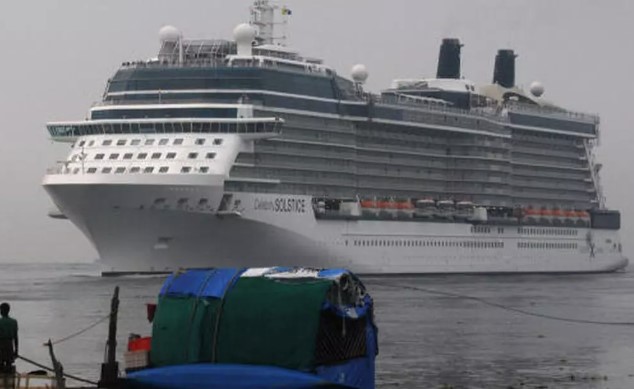
The cruise season for Mangaluru began in November 2024, but it is not the same as previous years. This time, only seven luxury cruise ships are set to dock at the Mangaluru Port, a sharp decline from the 20 ships that had been expected earlier in the year. In fact, four cruise ships that had originally planned to visit the city have withdrawn their plans, citing the ongoing Red Sea crisis as one of the main reasons for their decision. This reduction in the number of cruise arrivals has left local tour operators worried about the financial impact on the tourism sector, which depends heavily on the arrival of these ships and their passengers.

The Economic Importance of Cruise Ships to Mangaluru

The absence of cruise ships is not just a matter of fewer visitors; it also means a significant loss in revenue for local businesses. In Mangaluru, one cruise ship may bring in about $50,000 per day. The local economy depends on the spending power of thousands of cruise passengers who typically purchase souvenirs, local products, and services. This includes items like cashew nuts, clothes, and handcrafted goods, which are sold by local vendors.

Additionally, local workers such as tour guides, vehicle operators, and employees in the food and beverage industry rely on the presence of cruise passengers for their jobs. Most of these tour guides are students looking for part-time work, and their opportunities are directly tied to the number of tourists arriving in the city. When cruise ships cancel their visits, it also affects their livelihood. In previous years, Mangaluru was home to an average of 25 cruise ships per season, bringing in more than 25,000 passengers. This year, the sharp decline in the number of ships has created a significant economic void.

Why Are Fewer Ships Coming to Mangaluru?

The Red Sea crisis, which began in October 2023, has been a key factor in the cancellation of many cruise visits to Mangaluru. The crisis began when Houthi militants from Yemen attacked cargo vessels in the Red Sea using missiles. These attacks were reportedly in response to Israeli military actions in Gaza. As a result of the attacks, several shipping companies decided to suspend their operations in the region for safety reasons. Others chose alternative routes to avoid the Red Sea altogether, such as the Cape of Good Hope along Africa’s western coastline.

However, these alternative routes come with significant challenges. The journey via the Cape of Good Hope is much longer than the usual route through the Red Sea, adding around 14 days to the total trip. This extended travel time has made it more difficult for cruise ships to maintain their schedules and profitability. To make matters worse, many cruise ships require a minimum number of passengers to make their operations profitable. With fewer passengers choosing to book cruises this season, some cruise lines have opted to cancel their stops at Mangaluru entirely.

The crisis in the Red Sea and the resulting changes in travel routes are not only impacting the cruise tourism industry but also the livelihoods of countless people in Mangaluru. From local shopkeepers to tour operators, the decline in cruise arrivals has created a ripple effect across the city’s economy. As Mangaluru tries to recover from the challenges brought on by the pandemic, the current situation serves as a stark reminder of how external events, like the Red Sea crisis, can disrupt even the most resilient of industries.


TOP 10 TRENDING ON NEWSINTERPRETATION

Cyber Attacks on Space Infrastructure: Satellites, GPS and the Ground Systems Behind Them

From the Viasat KA-SAT hack to GPS jamming over the Baltic, a research guide to how attackers target satellites, navigation signals and ground stations, and why it matters on Earth.

How AI Agents Are Used in Cyber Attacks: From Assisted Hacking to AI-Orchestrated Espionage

Attackers now use AI agents to scan networks, write exploits and run extortion campaigns. A research guide to documented cases, including the first reported AI-orchestrated espionage campaign, and what defenders should do.

Cyber Attacks on AI and LLMs: How Attackers Target Large Language Models

Prompt injection, data poisoning, model theft and jailbreaks: a research guide to how attackers target AI systems and large language models, with real cases and defences.

French Supermarket Refrigeration Cyberattack: How Hacking the Cold Chain Can Endanger Lives

In October 2026 attackers heated refrigeration cabinets in hundreds of French supermarkets to as much as 50°C. No one was hurt, but the attack shows how hacking the cold chain can endanger lives through fire, food poisoning and spoiled medicines.

Cyberattacks on Nuclear Facilities: Stuxnet, Kudankulam and the Limits of Air Gaps

Stuxnet, the Davis-Besse worm and malware at India’s Kudankulam plant: what they show about cyber risk at nuclear facilities and the limits of air gaps.

Triton: When Hackers Target the Safety Systems That Prevent Industrial Disasters

The 2017 Triton attack targeted the safety systems that prevent industrial disasters. What happened, who was charged, and how plants protect their last line of defence.

Cybersecurity Risks in Smart Cities: When Connected Infrastructure Fails

How connecting traffic control, emergency alerts and utilities concentrates cyber risk in cities, what the Dallas and Atlanta incidents showed, and what governments recommend.

Weaponized Drones: Hijacking, GPS Spoofing and Emerging Cyber Warfare Risks

How drones can be hijacked, jammed or misled by GPS spoofing, what researchers have demonstrated, and why governments treat drone fleets as a security risk.

Ransomware Attacks on Hospitals: How Healthcare Cyberattacks Put Patients at Risk

How ransomware against hospitals and their suppliers delays care and endangers patients, what the Düsseldorf and WannaCry cases show, and what research says about deaths.

Operational blunder exposes massive Russian cyber espionage attack on Ukrainian prosecutors

A major cyberattack has compromised the email accounts of...

Cyber Attacks on Space Infrastructure: Satellites, GPS and the Ground Systems Behind Them

From the Viasat KA-SAT hack to GPS jamming over the Baltic, a research guide to how attackers target satellites, navigation signals and ground stations, and why it matters on Earth.

French Supermarket Refrigeration Cyberattack: How Hacking the Cold Chain Can Endanger Lives

In October 2026 attackers heated refrigeration cabinets in hundreds of French supermarkets to as much as 50°C. No one was hurt, but the attack shows how hacking the cold chain can endanger lives through fire, food poisoning and spoiled medicines.

Cyberattacks on Nuclear Facilities: Stuxnet, Kudankulam and the Limits of Air Gaps

Stuxnet, the Davis-Besse worm and malware at India’s Kudankulam plant: what they show about cyber risk at nuclear facilities and the limits of air gaps.

Triton: When Hackers Target the Safety Systems That Prevent Industrial Disasters

The 2017 Triton attack targeted the safety systems that prevent industrial disasters. What happened, who was charged, and how plants protect their last line of defence.

Cybersecurity Risks in Smart Cities: When Connected Infrastructure Fails

How connecting traffic control, emergency alerts and utilities concentrates cyber risk in cities, what the Dallas and Atlanta incidents showed, and what governments recommend.

Ransomware Attacks on Hospitals: How Healthcare Cyberattacks Put Patients at Risk

How ransomware against hospitals and their suppliers delays care and endangers patients, what the Düsseldorf and WannaCry cases show, and what research says about deaths.

FBI warns of AVrecon malware targeting outdated routers linked to proxy based cybercrime

A serious cybersecurity warning has been issued regarding commonly...

Related Articles

Popular Categories
