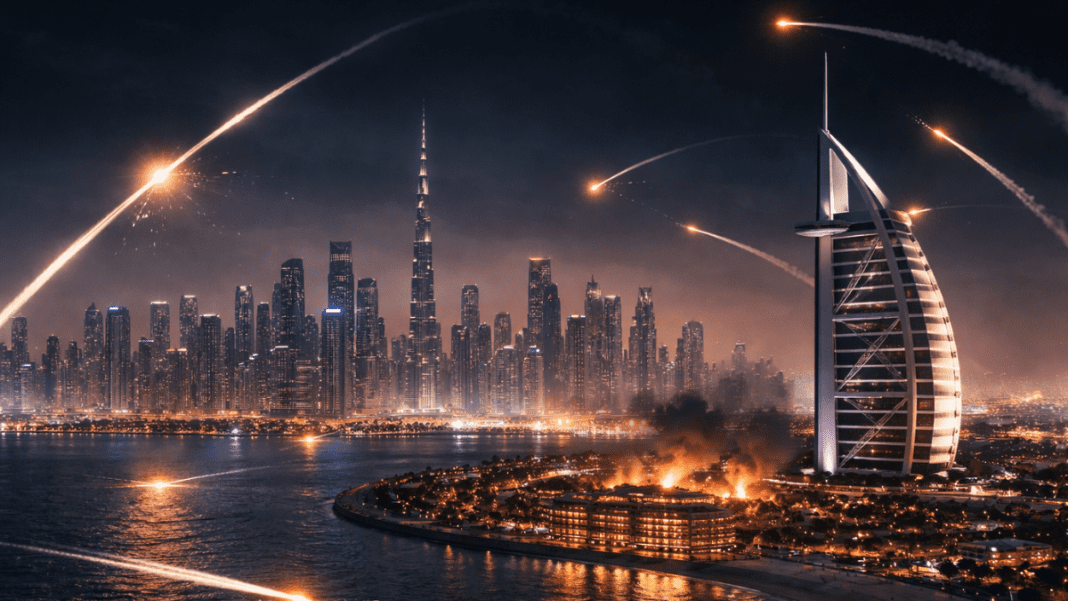

Dubai has long promoted itself as a peaceful oasis in a region often affected by conflict. The city’s modern skyline, luxury hotels, and glamorous lifestyle helped create a powerful global image. Social media influencers played a big role in shaping that image, sharing posts that highlighted safety, comfort, and luxury.
However, recent missile strikes connected to the widening Middle East conflict have shaken that carefully built reputation. The attacks have forced many residents and online personalities to confront a reality they never expected to face in the city.
For years, Dubai was widely viewed as a secure destination where global professionals, entrepreneurs, and influencers could live without fear. The recent events have raised concerns about how quickly that perception can change when regional tensions escalate.
Dubai’s Rise as a Global Influencer Hub
In recent years, Dubai experienced rapid population growth. Official figures show that the city’s population passed four million for the first time last year. More than 90 percent of the residents are foreigners who moved there for work, business opportunities, or lifestyle benefits.
The emirate became especially attractive to influencers and content creators. Thousands of digital personalities relocated to Dubai to build their careers. Reports estimate that around 50,000 influencers now call the city home.
Several factors contributed to this trend. Dubai’s tax-free environment attracted entrepreneurs and investors. Its sunny climate, large shopping malls, and world-famous skyscrapers also made it appealing to people who create lifestyle content.
Iran-linked hackers ramp up DDoS and malware attacks amid rising tensions
Government initiatives further encouraged this movement. Authorities launched programs designed to attract creators and digital entrepreneurs. These included a renewable 10-year Golden Visa for investors and professionals.
Dubai also introduced Creators HQ, a program aimed at supporting entrepreneurs and content creators. Another initiative, a training program for travel content creators, was launched to help build a global network of digital storytellers based in the city.
Social media posts from Dubai often showed luxury lifestyles filled with beach clubs, designer stores, yachts, and expensive hotels. These images helped strengthen the idea that the city was both glamorous and extremely safe.
However, critics have often argued that these carefully curated posts ignore less glamorous issues, including concerns related to human rights and labor conditions. Despite these debates, Dubai’s reputation as a safe haven remained strong.
Missile Strikes Shake the City’s Image
That perception was shaken when Iran launched missile strikes targeting areas of the United Arab Emirates as part of the growing regional conflict. While most of the missiles aimed at Dubai were intercepted by defense systems, some caused damage to well-known locations.
Among the sites affected were famous landmarks such as the Fairmont The Palm hotel and the Burj Al Arab area. The incidents marked a rare moment when the conflict in the region appeared directly visible over Dubai’s skyline.
Residents reported hearing loud explosions and seeing missiles being intercepted in the sky. For many people living in the city, the experience was deeply unsettling.
Several influencers documented the dramatic scenes on social media. Some videos showed missiles being intercepted overhead. Others captured fires burning near buildings after the strikes.
In one widely shared clip, a beach club event continued while flames from a nearby building could be seen in the distance. The video quickly circulated online and drew strong reactions.
US issues 30-day waiver for Russian oil purchases by India amid regional tensions
Other residents shared emotional reactions after witnessing the attacks. Some said the events were among the most frightening moments they had experienced in the city. A few clips showing fearful reactions were later deleted after facing criticism online.
Social Media Reactions and Official Warnings
In the days following the strikes, social media platforms were filled with posts from residents describing the situation. Many influencers tried to reassure followers by sharing calm messages and scenic views of the city.
Some posts expressed confidence in the leadership and security systems protecting Dubai. This “stay calm” tone appeared across many social media accounts.
At the same time, authorities in the United Arab Emirates issued warnings to content creators. Officials cautioned that sharing posts considered harmful to national unity or the country’s reputation could lead to penalties or even jail time.
Following these warnings, several videos showing the missile strikes and emotional reactions were removed from social media.
Meanwhile, some foreign governments began issuing travel advisories related to the growing regional conflict. The United Kingdom advised against all but essential travel to several Gulf countries, including the UAE. The United States also urged its citizens to leave multiple countries across the Middle East.
For many international residents living in Dubai, the situation created uncertainty. Some people remained indoors and followed safety guidance, including advice to stay away from windows.
Updates about intercepted missiles and drones continued to circulate among residents as the conflict dominated daily conversations across the city.