

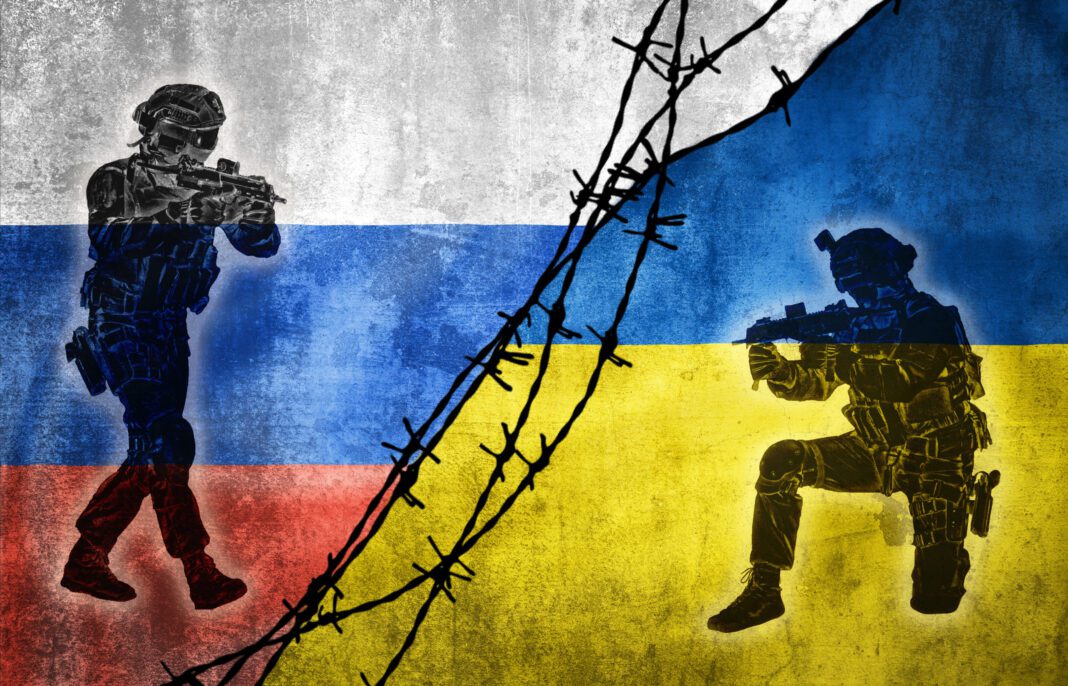
Russian Forces Strike Odesa: Civilians Injured in Missile Attack

In a fresh escalation of hostilities, Russian forces launched a missile attack on the southern Ukrainian city of Odesa. It targeted civilian infrastructure and injured at least three people. The assault has added to the growing list of casualties and damage in the conflict between Russia and Ukraine, now in its 28th month of full-scale invasion.

Missile Attack on Odesa Injures Three

Early Monday morning, Odesa was jolted by the sounds of incoming missiles. The regional governor, Oleh Kiper, reported that the attack struck a storage facility where around 50 people were working. As a result, two middle-aged men and a 19-year-old boy were taken to the hospital with injuries. The Ukrainian air force managed to intercept one of the two cruise missiles launched by Russia. Thus preventing any further damage and injuries. Despite these efforts, the attack highlights the persistent threat faced by civilians in Odesa, a frequent target due to its strategic port facilities.

Russia Blames US for Sevastopol Strike

In a parallel development, Russian officials have accused the United States of facilitating a Ukrainian missile attack on Sevastopol in the annexed territory of Crimea. The strike resulted in the deaths of four people and injured more than 150. The Russian defense ministry claimed that the US supplied Ukraine with five Army Tactical Missile System (ATACMS) missiles for the attack. They further alleged that four of these missiles were shot down by air defense systems, while the fifth detonated mid-air. The Kremlin’s statement directly pointed fingers at Washington and Kyiv for the incident. Thus marking it as a significant escalation in rhetoric and blame.

North Korea Pact Signals Russian Defiance

Amid these military confrontations, Russian President Vladimir Putin’s recent visit to North Korea has signaled a bold stance against Western interests. The visit culminated in a pact with North Korean leader Kim Jong Un, promising mutual military assistance if either nation is attacked. This agreement marks a significant shift in Russia’s international alliances and raises concerns about potential destabilization in the Korean Peninsula. Putin’s announcement that Russia might supply weapons to North Korea further complicates the geopolitical landscape. Certainly potentially provoking a strong response from the United States and its allies in the Korean Peninsula.

Ukrainian Retaliation: Drone Attacks on Russia

In response to a deadly Russian bombing in Kharkiv, which killed three people and injured dozens, Ukraine launched over 30 drones into Russia’s western regions. Russian authorities claimed to have shot down all the drones. Although the incident underscores the tit-for-tat nature of the conflict. Ukrainian President Volodymyr Zelenskyy used the opportunity to call on international partners to enhance Ukraine’s air defenses. This appeal reflects the ongoing struggle for military and technological superiority in the war. With both sides seeking to leverage their capabilities to gain an upper hand.

Violence in Dagestan: Coordinated Attacks Claim Lives

In another disturbing incident, coordinated attacks in Russia’s North Caucasus region of Dagestan left at least 15 police officers and a priest dead. Gunmen targeted a synagogue, an Orthodox church, and a police post, sparking fears of rising unrest in the volatile region. The attacks, which have yet to be claimed by any group, prompted a strong response from local authorities. Governor Sergei Melikov described the day as a tragedy for Dagestan and the entire country. The violence highlights the multifaceted nature of instability within Russia. Which is dealing with internal strife even as it engages in an external conflict with Ukraine.

Conclusion

The recent missile attack on Odesa, coupled with the ongoing tensions in Crimea, North Korea, and Dagestan, paints a grim picture of the current geopolitical climate. Civilians in both Ukraine and Russia continue to bear the brunt of these conflicts, facing injuries, deaths, and destruction of infrastructure. As Russia strengthens its alliances and Ukraine appeals for more international support, the stakes are higher than ever. The international community watches closely, hoping for a resolution that will bring peace and stability to the region.

Rajlaxmi Deshmukh
Rajlaxmi Deshmukh
Rajlaxmi Deshmukh is a Political Science Expert with Keen Interest in Geopolitics. She was working with a Think Tank Based in Pune before she joined News Interpretation in the capacity of Geo Political Editor.

TOP 10 TRENDING ON NEWSINTERPRETATION

Cyber Attacks on Space Infrastructure: Satellites, GPS and the Ground Systems Behind Them

From the Viasat KA-SAT hack to GPS jamming over the Baltic, a research guide to how attackers target satellites, navigation signals and ground stations, and why it matters on Earth.

How AI Agents Are Used in Cyber Attacks: From Assisted Hacking to AI-Orchestrated Espionage

Attackers now use AI agents to scan networks, write exploits and run extortion campaigns. A research guide to documented cases, including the first reported AI-orchestrated espionage campaign, and what defenders should do.

Cyber Attacks on AI and LLMs: How Attackers Target Large Language Models

Prompt injection, data poisoning, model theft and jailbreaks: a research guide to how attackers target AI systems and large language models, with real cases and defences.

French Supermarket Refrigeration Cyberattack: How Hacking the Cold Chain Can Endanger Lives

In October 2026 attackers heated refrigeration cabinets in hundreds of French supermarkets to as much as 50°C. No one was hurt, but the attack shows how hacking the cold chain can endanger lives through fire, food poisoning and spoiled medicines.

Cyberattacks on Nuclear Facilities: Stuxnet, Kudankulam and the Limits of Air Gaps

Stuxnet, the Davis-Besse worm and malware at India’s Kudankulam plant: what they show about cyber risk at nuclear facilities and the limits of air gaps.

Triton: When Hackers Target the Safety Systems That Prevent Industrial Disasters

The 2017 Triton attack targeted the safety systems that prevent industrial disasters. What happened, who was charged, and how plants protect their last line of defence.

Cybersecurity Risks in Smart Cities: When Connected Infrastructure Fails

How connecting traffic control, emergency alerts and utilities concentrates cyber risk in cities, what the Dallas and Atlanta incidents showed, and what governments recommend.

Weaponized Drones: Hijacking, GPS Spoofing and Emerging Cyber Warfare Risks

How drones can be hijacked, jammed or misled by GPS spoofing, what researchers have demonstrated, and why governments treat drone fleets as a security risk.

Ransomware Attacks on Hospitals: How Healthcare Cyberattacks Put Patients at Risk

How ransomware against hospitals and their suppliers delays care and endangers patients, what the Düsseldorf and WannaCry cases show, and what research says about deaths.

Operational blunder exposes massive Russian cyber espionage attack on Ukrainian prosecutors

A major cyberattack has compromised the email accounts of...

Cyber Attacks on Space Infrastructure: Satellites, GPS and the Ground Systems Behind Them

From the Viasat KA-SAT hack to GPS jamming over the Baltic, a research guide to how attackers target satellites, navigation signals and ground stations, and why it matters on Earth.

French Supermarket Refrigeration Cyberattack: How Hacking the Cold Chain Can Endanger Lives

In October 2026 attackers heated refrigeration cabinets in hundreds of French supermarkets to as much as 50°C. No one was hurt, but the attack shows how hacking the cold chain can endanger lives through fire, food poisoning and spoiled medicines.

Cyberattacks on Nuclear Facilities: Stuxnet, Kudankulam and the Limits of Air Gaps

Stuxnet, the Davis-Besse worm and malware at India’s Kudankulam plant: what they show about cyber risk at nuclear facilities and the limits of air gaps.

Triton: When Hackers Target the Safety Systems That Prevent Industrial Disasters

The 2017 Triton attack targeted the safety systems that prevent industrial disasters. What happened, who was charged, and how plants protect their last line of defence.

Cybersecurity Risks in Smart Cities: When Connected Infrastructure Fails

How connecting traffic control, emergency alerts and utilities concentrates cyber risk in cities, what the Dallas and Atlanta incidents showed, and what governments recommend.

Ransomware Attacks on Hospitals: How Healthcare Cyberattacks Put Patients at Risk

How ransomware against hospitals and their suppliers delays care and endangers patients, what the Düsseldorf and WannaCry cases show, and what research says about deaths.

FBI warns of AVrecon malware targeting outdated routers linked to proxy based cybercrime

A serious cybersecurity warning has been issued regarding commonly...

Related Articles

Popular Categories
