

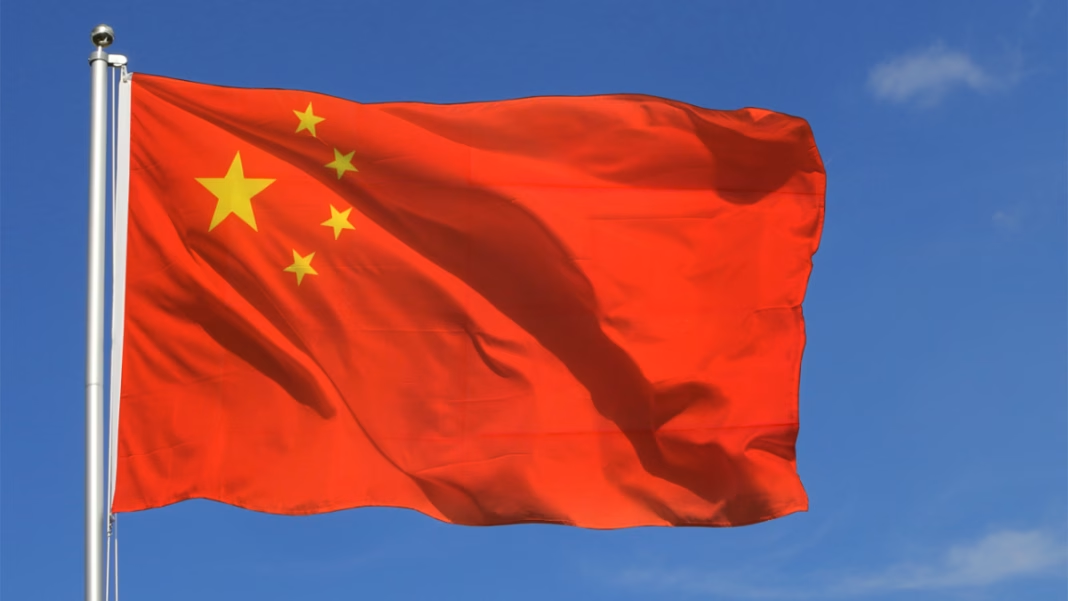
💡 Show-off posts, harsh prison terms — China warns young officials to stay silent online

China has issued a strong warning to its government workers: stop posting or talking about sensitive information online. The country’s top spy agency, the Ministry of State Security (MSS), made this warning public on July 24. The agency said that some workers, especially young ones, are sharing confidential details out of a desire to show off.

MSS Warns Against Sharing State Secrets

The MSS said that in today’s digital world, small mistakes can cause big problems. A casual photo or a quick message might seem harmless, but it can lead to a serious leak of state secrets. These leaks not only put national security at risk but also result in harsh punishment for the people involved.

In recent years, China has become more alert to espionage threats. The country is facing growing tensions with the United States and other Western countries. As a result, the MSS has been raising alarms about foreign agents trying to steal sensitive information. According to the agency, spies often use clever tactics like romantic traps, blackmail, or even simple online chatting to get information from government workers.

This month, the MSS said it had uncovered three major spying cases. One involved a public servant who was seduced by a foreign agent. After falling for the trap, he was blackmailed with private photos and forced to hand over important documents. The man was later sentenced to five years in prison.

In another serious case from earlier this year, a former engineer was given the death penalty for passing state secrets to a foreign power. These examples show how high the risks are and how seriously China is treating this issue.

Young Workers Behind Recent Leaks

The July 24 warning came with examples of real incidents involving young public workers. One case involved a newly hired employee who received a confidential document during a regular work meeting. Instead of keeping the information private, he took a photo of the document’s front page and shared it on WeChat Moments, a popular social media feature in China.

This single post caused a leak of classified information. As a result, the worker was punished by the ruling Communist Party and faced strict administrative penalties.

In a second case, another young employee casually discussed his progress on a secret project with a colleague. That colleague’s family overheard the conversation. Someone from the family later posted about it online, creating another serious leak.

Fans board same flights as BTS after buying stolen airline data—3 arrested in scandal

There was also a case involving a scientific researcher. This person uploaded sensitive data to an artificial intelligence tool in order to generate a report. While this might have seemed like a shortcut, the act caused the data to leak out, which could have put national projects at risk.

The MSS said these cases were examples of what happens when people mix their work and personal lives too loosely. The agency said that new workers especially must take their duties seriously and avoid using online tools or social media to share anything related to confidential work.

Ministry Urges Workers to Stay Cautious

The spy agency blamed these incidents on vanity and carelessness. It said that some young workers want to impress others or show how important their jobs are. But in doing so, they end up breaking serious rules.

The MSS said government employees must clearly separate work life from personal life. Even when meeting friends or chatting at home, they should be careful not to mention secret information. Social media, messaging apps, and even AI tools can all lead to leaks if used without caution.

It also reminded employees that leaks don’t always happen because of bad intentions. Sometimes people just make poor choices or act without thinking. But regardless of the reason, the punishment is always strict.

China’s national security rules are among the toughest in the world. In serious cases, leaking state secrets can even lead to life in prison or the death sentence.

This warning is part of China’s ongoing campaign to stop espionage and protect sensitive government operations. The MSS continues to focus on new and younger workers, hoping to stop these mistakes before they happen again.


Renuka Bangale
Renuka Bangale
Renuka is a distinguished Chartered Accountant and a Certified Digital Threats Analyst from Riskpro, renowned for her expertise in cybersecurity. With a deep understanding of cybercrimes, malware, cyber warfare, and espionage, she has established herself as an authority in the field. Renuka combines her financial acumen with advanced knowledge of digital threats to provide unparalleled insights into the evolving landscape of information security. Her analytical prowess enables her to dissect complex cyber incidents, offering clarity on risks and mitigation strategies. As a key contributor to Newsinterpretation’s information security category, Renuka delivers authoritative articles that educate and inform readers about emerging threats and best practices.

TOP 10 TRENDING ON NEWSINTERPRETATION

Cyber Attacks on Space Infrastructure: Satellites, GPS and the Ground Systems Behind Them

From the Viasat KA-SAT hack to GPS jamming over the Baltic, a research guide to how attackers target satellites, navigation signals and ground stations, and why it matters on Earth.

How AI Agents Are Used in Cyber Attacks: From Assisted Hacking to AI-Orchestrated Espionage

Attackers now use AI agents to scan networks, write exploits and run extortion campaigns. A research guide to documented cases, including the first reported AI-orchestrated espionage campaign, and what defenders should do.

Cyber Attacks on AI and LLMs: How Attackers Target Large Language Models

Prompt injection, data poisoning, model theft and jailbreaks: a research guide to how attackers target AI systems and large language models, with real cases and defences.

French Supermarket Refrigeration Cyberattack: How Hacking the Cold Chain Can Endanger Lives

In October 2026 attackers heated refrigeration cabinets in hundreds of French supermarkets to as much as 50°C. No one was hurt, but the attack shows how hacking the cold chain can endanger lives through fire, food poisoning and spoiled medicines.

Cyberattacks on Nuclear Facilities: Stuxnet, Kudankulam and the Limits of Air Gaps

Stuxnet, the Davis-Besse worm and malware at India’s Kudankulam plant: what they show about cyber risk at nuclear facilities and the limits of air gaps.

Triton: When Hackers Target the Safety Systems That Prevent Industrial Disasters

The 2017 Triton attack targeted the safety systems that prevent industrial disasters. What happened, who was charged, and how plants protect their last line of defence.

Cybersecurity Risks in Smart Cities: When Connected Infrastructure Fails

How connecting traffic control, emergency alerts and utilities concentrates cyber risk in cities, what the Dallas and Atlanta incidents showed, and what governments recommend.

Weaponized Drones: Hijacking, GPS Spoofing and Emerging Cyber Warfare Risks

How drones can be hijacked, jammed or misled by GPS spoofing, what researchers have demonstrated, and why governments treat drone fleets as a security risk.

Ransomware Attacks on Hospitals: How Healthcare Cyberattacks Put Patients at Risk

How ransomware against hospitals and their suppliers delays care and endangers patients, what the Düsseldorf and WannaCry cases show, and what research says about deaths.

Operational blunder exposes massive Russian cyber espionage attack on Ukrainian prosecutors

A major cyberattack has compromised the email accounts of...

Cyber Attacks on Space Infrastructure: Satellites, GPS and the Ground Systems Behind Them

From the Viasat KA-SAT hack to GPS jamming over the Baltic, a research guide to how attackers target satellites, navigation signals and ground stations, and why it matters on Earth.

French Supermarket Refrigeration Cyberattack: How Hacking the Cold Chain Can Endanger Lives

In October 2026 attackers heated refrigeration cabinets in hundreds of French supermarkets to as much as 50°C. No one was hurt, but the attack shows how hacking the cold chain can endanger lives through fire, food poisoning and spoiled medicines.

Cyberattacks on Nuclear Facilities: Stuxnet, Kudankulam and the Limits of Air Gaps

Stuxnet, the Davis-Besse worm and malware at India’s Kudankulam plant: what they show about cyber risk at nuclear facilities and the limits of air gaps.

Triton: When Hackers Target the Safety Systems That Prevent Industrial Disasters

The 2017 Triton attack targeted the safety systems that prevent industrial disasters. What happened, who was charged, and how plants protect their last line of defence.

Cybersecurity Risks in Smart Cities: When Connected Infrastructure Fails

How connecting traffic control, emergency alerts and utilities concentrates cyber risk in cities, what the Dallas and Atlanta incidents showed, and what governments recommend.

Ransomware Attacks on Hospitals: How Healthcare Cyberattacks Put Patients at Risk

How ransomware against hospitals and their suppliers delays care and endangers patients, what the Düsseldorf and WannaCry cases show, and what research says about deaths.

FBI warns of AVrecon malware targeting outdated routers linked to proxy based cybercrime

A serious cybersecurity warning has been issued regarding commonly...

Related Articles

Popular Categories
