

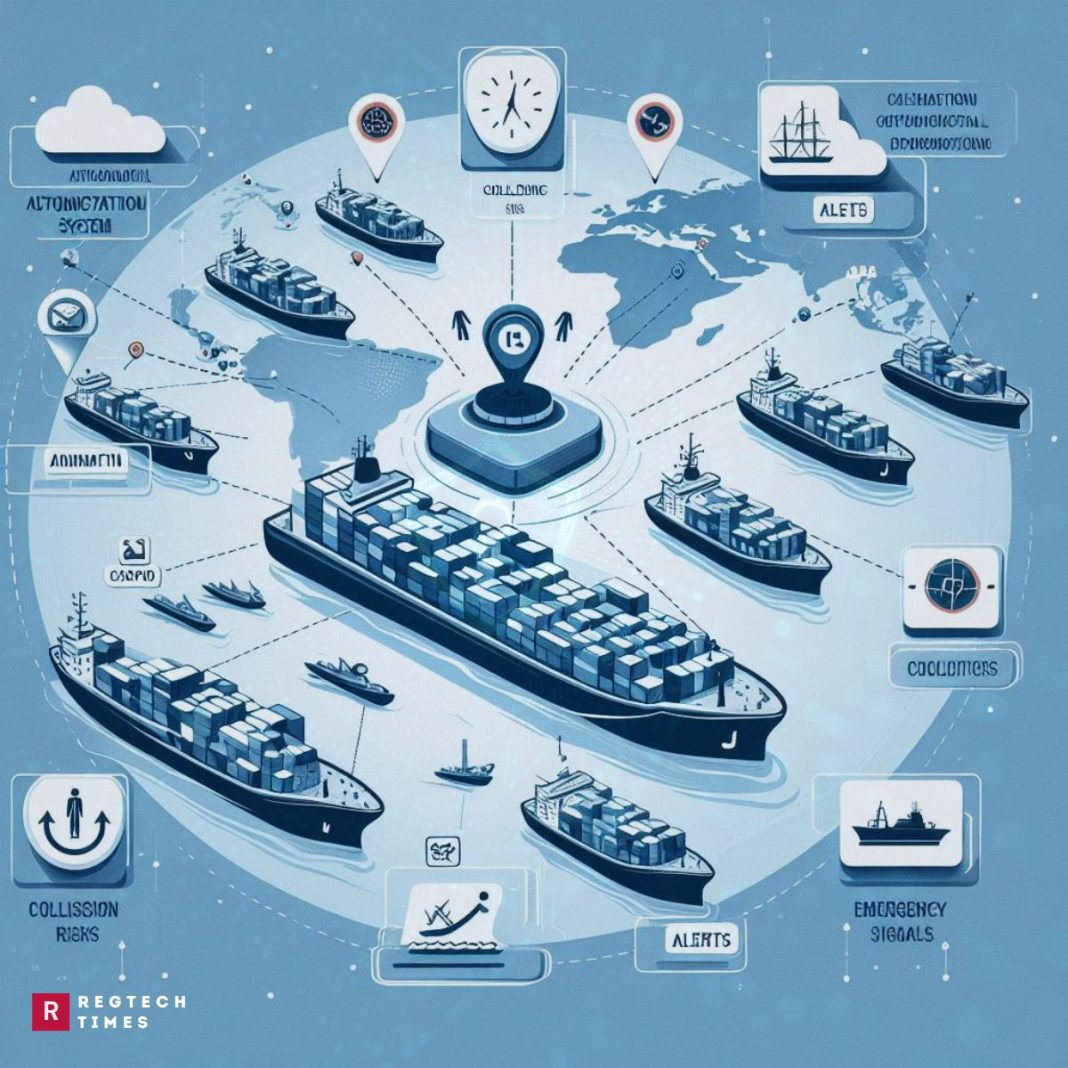

The security and safety of ships passing through high-risk zones are now crucial in the complex world of marine operations. In light of this, cargo ships’ use of the controversial but necessary tactic of AIS (Automatic Identification System) modification to avoid possible hazards has come to light. The subtleties of AIS manipulation in maritime security are examined in this essay, along with its effects, ethical implications, and consequences.
The Essence of AIS in Maritime Safety
An essential component of marine navigation, Automatic identity System (AIS) transmits position, course, and identity information to neighboring vessels and maritime authorities, therefore improving ship safety. Its main goal is to prevent collisions and raise the general level of safety of maritime traffic. It is mandated by the International Maritime Organization (IMO) under the SOLAS (Safety of Life at Sea) Convention.
The Strategy of AIS Manipulation
Ships have started to falsify AIS data in an effort to protect themselves from the increasing threat of assaults in vital waterways, particularly from the Houthi movement in the Red Sea. This manipulation can take several forms, such as disabling AIS transponders to hide a ship’s whereabouts or falsifying AIS data to represent a ship’s identity or destination. The basic reasoning is straightforward: ships want to cruise through hazardous seas with a lower chance of being attacked by making it more difficult for prospective attackers to recognize or track them.
The Double-Edged Sword of AIS Manipulation
Although manipulating AIS may appear like a sensible way to improve security, there are serious hazards and moral quandaries associated with it. Due to the necessity of AIS data for collision avoidance, particularly in crowded or limited regions, the practice may jeopardize marine safety. Moreover, by eliminating a vital layer of situational awareness, disabling AIS transponders puts all nearby boats in danger in addition to the ship in issue.
Legal and Ethical Considerations
When a captain feels that turning on AIS might jeopardize the safety of the ship, they are permitted by the IMO to do so at their discretion. But this isn’t meant to be a general approach to negotiating dangerous situations—rather, it’s meant for targeted, urgent risks. Since such AIS manipulation basically entails misleading other maritime players and may be interpreted as a violation of international maritime law, its ethical ramifications also need to be taken into account.
The Impact on Global Trade
The practice of AIS manipulation has wider ramifications for international trade than only safety and moral issues. For example, ships going via the Suez Canal have to decide whether to risk assaults by the Houthis or take the longer route around the Cape of Good Hope, which would cost more in fuel and cause delays. This has an impact on the bottom lines of transportation businesses as well as supply chains in a cascading manner, which might raise consumer costs and increase inflationary pressures.
Toward a Balanced Approach
Combining AIS manipulation with other security measures is a more balanced way to handle the security threats in high-threat marine locations. These consist of increased watchfulness, the use of armed guards, and tight cooperation with foreign naval forces. Moreover, a compromise between operational security and safety compliance can be achieved by restricting the information transmitted via AIS as opposed to totally disabling it.
The complicated task of AIS manipulation in maritime security involves striking a balance between the requirements of operational security, marine safety, and legal compliance. Although it provides a short-term fix for the issue of piracy and attacks in high-risk locations, its wider ramifications for international trade, legal ethics, and marine safety call for a methodical and cautious approach. The goal of establishing a safe, secure, and open international maritime domain must not change while the maritime community navigates these turbulent waters.