


For years, video games have occupied a unique space in youth culture, a place where entertainment, identity, and socialisation converge. But as global conflicts spill increasingly into digital spaces, a more complex question has emerged: How political are the online worlds young people spend their time in? And more urgently, what happens when these digital environments mirror real-world conflicts?
From hyper-realistic military simulations to casual roleplay servers, politics is now woven into the fabric of online gaming. Sometimes it’s intentional. Often, it’s subtle. But across communities, the impact is becoming impossible to ignore.
Military Simulators That Mirror Real War
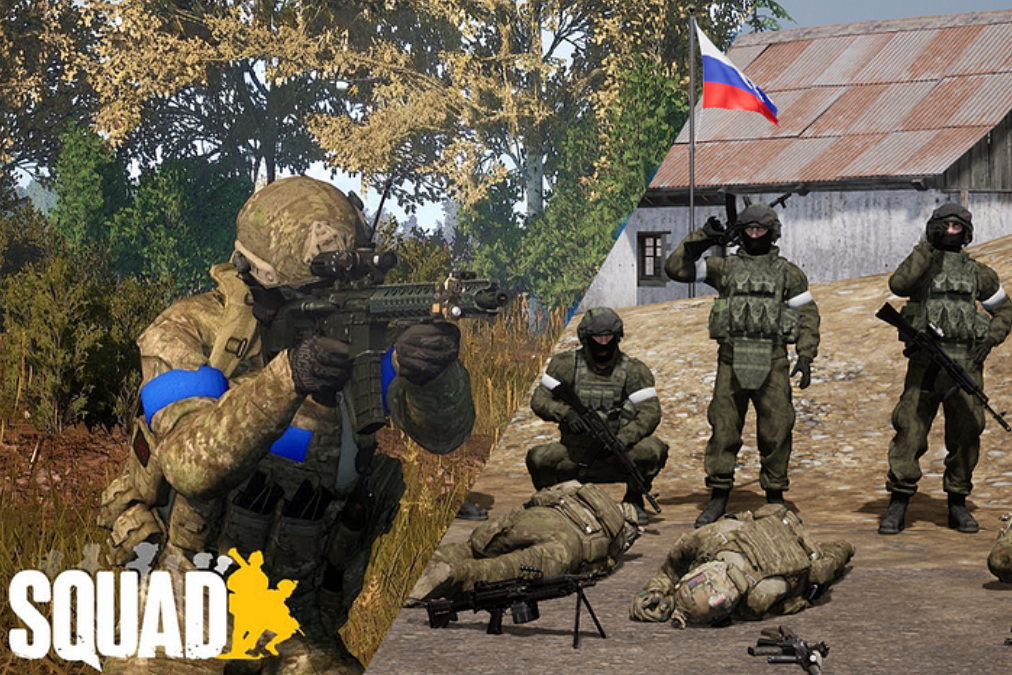
Titles like ARMA Reforger and Squad have long attracted players interested in tactical realism. Their modding communities, however, are now pushing that realism into new territory: direct recreations of active or recent conflicts.
Modders have built full-scale maps based on real battlegrounds, including Donbas-style terrain, Ukrainian and Russian military uniforms, Wagner Group markings, authentic vehicles, and real weapon systems. Players are invited to choose a side: Ukraine or Russia, and fight battles that simulate frontline engagements.
These mods are not fringe projects. Some are among the most downloaded and most-played experiences in their respective communities.
For young players, this means that:
- They are not only consuming depictions of war
- They are participating in simulated versions of real conflicts
- They are choosing sides and interacting socially within those factions
While for some this is harmless roleplay, for others it becomes a first exposure to political narratives, nationalistic symbolism, and ideological framing — all within an environment that feels like harmless entertainment.
FiveM Roleplay: Politics Hidden in Plain Sight
Outside military sims, political exposure appears in less obvious places, including FiveM, a modification platform for Grand Theft Auto V best known for its roleplay servers.
One of the UK’s largest servers, CMG, offers a roleplay environment where players take on jobs, create stories, and live out fictional lives. But several players told us that political expression does not always receive equal treatment.
According to one regular CMG player, fully Israel-liveried vehicles, complete with nationalistic designs, are commonly used by pro-Israel community groups within the server. These designs are reportedly permitted and even normalised as part of the in-game environment.
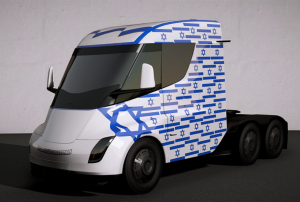
However, players told us that pro-Palestine and anti-Israeli expression is not afforded the same freedom. One player described being banned after setting fire, using a purchasable in-game Molotov, to a truck decorated with Israeli flags. Server staff allegedly classified the incident as a “hate crime,” a decision that triggered controversy within the community.
Players say this incident sparked internal protest, and a widening political divide within the server as debate about moderation standards were suppressed. Some saw the punishment as appropriate; others argued the double standard and enforcing a real-world political position, in a game, crossed a line.
While CMG did not respond to requests for comment, players say this divide continues to shape social dynamics within the server.
The Subtle Power of Digital Worlds
What makes these situations significant is not just the presence of political content, it’s the context.
Young people often spend hundreds or thousands of hours in digital spaces where:
- Community norms dictate what speech is allowed
- Mods determine which conflicts are portrayed and how
- “Choosing a side” becomes part of the gameplay loop
- Influential players and admins establish what is acceptable
Over time, this can make certain political ideas feel normal, heroic, or “correct,” even when framed through fictionalised or gamified lenses.
In military sims, this comes through realism. In roleplay servers, it comes through culture and moderation. In both cases, politics is absorbed socially, not academically.
From Online Factions to Real-World Ideologies
As political tensions rise globally, young players are increasingly encountering those tensions inside the games they play daily. Communities that fail to remain neutral, or that intentionally weave real conflicts into gameplay, risk creating environments where:
- Political identities form around in-game “teams”
- Complex conflicts are reduced to playable narratives
- Online drama becomes ideological alignment
- Real-world hostility is mirrored inside digital worlds
For many teenagers, gaming communities are among their most influential social circles. When those circles become politically charged, the results can be very real. Players adopt stances, join groups, repeat slogans, and engage with propaganda long before they encounter critical context.
This doesn’t mean games inherently radicalise people, but they do shape how political ideas are presented, normalised, and emotionally experienced.
Conclusion: Real Conflicts Now Have Digital Frontlines
The digital worlds young people inhabit are no longer apolitical playgrounds. They are spaces where real conflicts are recreated, debated, celebrated, and fought over — virtually and socially.
Military sims like Squad and ARMA intentionally lean into realism, while platforms like FiveM can allow community politics to spill into gameplay.
When gaming communities fail to act on political division, or actively emulate real-world conflicts, they create fertile ground for young players to adopt ideologies and alliances long before they understand the complexities behind them.
In an era where global conflict increasingly plays out on screens, it’s no surprise that gaming, one of the largest youth social platforms, has become part of that battlefield. The question now is not whether politics exists in gaming, but how responsibly gaming communities choose to handle it, and what it means for the next generation growing up inside these virtual frontlines.