

🔒 Cyber Rogues Reload PrintNightmare Exploits While Microsoft Patches on Repeat

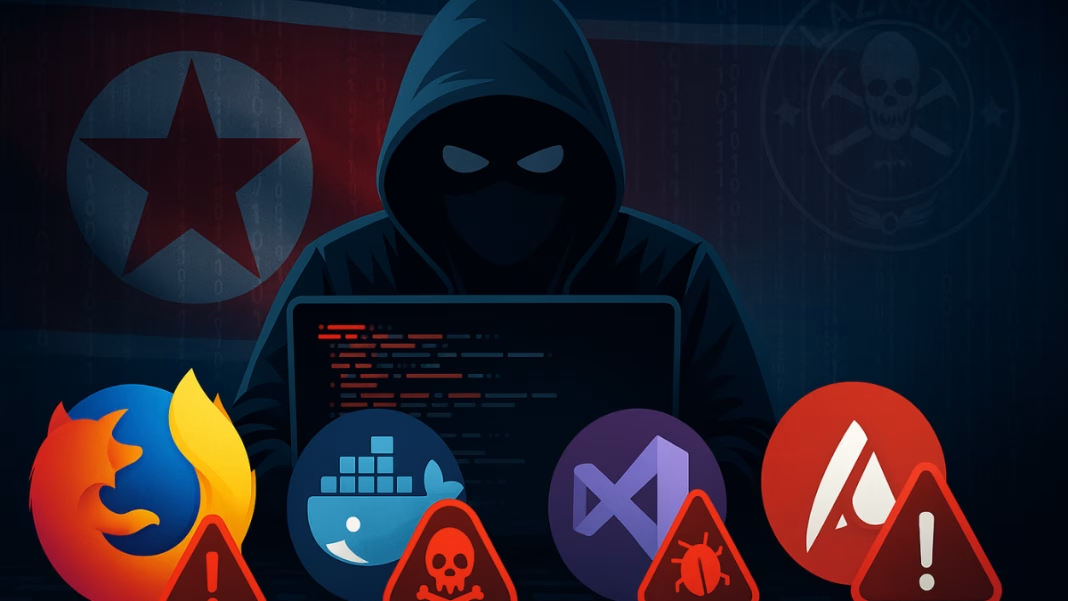
Lazarus Group Plant Malware in Popular Open Source Tools

A North Korean hacker group called Lazarus Group is back in action—and their latest trick is spreading harmful software by disguising it as trusted developer tools. These fake tools look like open source software, which is usually free and safe to use, especially for building websites, apps, and digital services. But hidden inside these fake tools is dangerous malware.

A cybersecurity company recently revealed that Lazarus Group has created 234 malware-filled software packages just in the first six months of 2025. Hackers are sharing these dangerous files through places where developers usually download code, making them hard to detect.

Lazarus is known for several high-profile cyberattacks. These include the Sony Pictures hack in 2014, a bank attack in Bangladesh in 2016, and the WannaCry ransomware attack in 2017 that affected computers around the world. In recent years, the group has focused more on stealing cryptocurrency and now seems to be targeting software developers directly.

The goal? Hackers trick developers into downloading these malware-laden tools, which then secretly give them access to sensitive systems, allow them to steal information, or spy on organizations for a long time without being noticed.

New Tactics Aim at Long-Term Spying

Experts say the Lazarus Group is no longer just trying to cause damage. Instead, they are working on long-term spying missions. They do this by creating malware that hides deep in computer systems and stays there for as long as possible. The group is now using smart tricks like modular payloads (malware that comes in small parts) and advanced techniques to avoid being caught.

This method allows them to quietly stay inside company systems, collect information, and possibly steal money or secrets. Developers, especially those using open source software, are now at high risk if they don’t double-check their downloads.

🌐 Teen Hacker’s $37M Crypto Crime Spree Exposed: Inside the SIM Swap That Shook the Blockchain

Open source software is popular because anyone can see its code and use it. But Lazarus is taking advantage of this openness. Their fake tools look exactly like trusted ones, making it easy to fool even experienced developers. This is a serious threat to companies, governments, and regular users who rely on software built using open source tools.

In contrast to such attacks, companies like Microsoft are taking steps to strengthen digital defenses. Microsoft recently increased its bug bounty rewards, offering up to $40,000 for major security flaws found in .NET and ASP.NET Core platforms. It also improved monitoring in Microsoft Teams to help detect suspicious activity.

Why This Is a Major Concern for Everyone

You might think this only affects coders or tech companies—but that’s not true. Developers often build the software we use every day—like banking apps, hospital systems, and online games—using open source tools. If hackers secretly fill those tools with malware, they put millions of people at risk.

Cyber experts are urging developers and tech teams to check every download and update carefully. If a fake tool is used while building an app, the malware can quietly spread to every user who installs that app.

This is one of the biggest software supply chain threats seen in recent times. A supply chain threat means the hackers attack early in the software-building process. Instead of breaking into a system from the outside, they sneak in through the tools used to build the software itself.

As Lazarus Group continues to grow more advanced and sneaky, it’s clear that no one can afford to ignore this issue. Companies and developers must stay alert, and users should keep their apps updated and only download from trusted sources.

The Lazarus Group has once again shown how far they’re willing to go to cause harm and steal data. Their latest plan of using fake open source software is not only clever—it’s also extremely dangerous for everyone.

Renuka Bangale
Renuka Bangale
Renuka is a distinguished Chartered Accountant and a Certified Digital Threats Analyst from Riskpro, renowned for her expertise in cybersecurity. With a deep understanding of cybercrimes, malware, cyber warfare, and espionage, she has established herself as an authority in the field. Renuka combines her financial acumen with advanced knowledge of digital threats to provide unparalleled insights into the evolving landscape of information security. Her analytical prowess enables her to dissect complex cyber incidents, offering clarity on risks and mitigation strategies. As a key contributor to Newsinterpretation’s information security category, Renuka delivers authoritative articles that educate and inform readers about emerging threats and best practices.

TOP 10 TRENDING ON NEWSINTERPRETATION

Cyber Attacks on Space Infrastructure: Satellites, GPS and the Ground Systems Behind Them

From the Viasat KA-SAT hack to GPS jamming over the Baltic, a research guide to how attackers target satellites, navigation signals and ground stations, and why it matters on Earth.

How AI Agents Are Used in Cyber Attacks: From Assisted Hacking to AI-Orchestrated Espionage

Attackers now use AI agents to scan networks, write exploits and run extortion campaigns. A research guide to documented cases, including the first reported AI-orchestrated espionage campaign, and what defenders should do.

Cyber Attacks on AI and LLMs: How Attackers Target Large Language Models

Prompt injection, data poisoning, model theft and jailbreaks: a research guide to how attackers target AI systems and large language models, with real cases and defences.

French Supermarket Refrigeration Cyberattack: How Hacking the Cold Chain Can Endanger Lives

In October 2026 attackers heated refrigeration cabinets in hundreds of French supermarkets to as much as 50°C. No one was hurt, but the attack shows how hacking the cold chain can endanger lives through fire, food poisoning and spoiled medicines.

Cyberattacks on Nuclear Facilities: Stuxnet, Kudankulam and the Limits of Air Gaps

Stuxnet, the Davis-Besse worm and malware at India’s Kudankulam plant: what they show about cyber risk at nuclear facilities and the limits of air gaps.

Triton: When Hackers Target the Safety Systems That Prevent Industrial Disasters

The 2017 Triton attack targeted the safety systems that prevent industrial disasters. What happened, who was charged, and how plants protect their last line of defence.

Cybersecurity Risks in Smart Cities: When Connected Infrastructure Fails

How connecting traffic control, emergency alerts and utilities concentrates cyber risk in cities, what the Dallas and Atlanta incidents showed, and what governments recommend.

Weaponized Drones: Hijacking, GPS Spoofing and Emerging Cyber Warfare Risks

How drones can be hijacked, jammed or misled by GPS spoofing, what researchers have demonstrated, and why governments treat drone fleets as a security risk.

Ransomware Attacks on Hospitals: How Healthcare Cyberattacks Put Patients at Risk

How ransomware against hospitals and their suppliers delays care and endangers patients, what the Düsseldorf and WannaCry cases show, and what research says about deaths.

Operational blunder exposes massive Russian cyber espionage attack on Ukrainian prosecutors

A major cyberattack has compromised the email accounts of...

Cyber Attacks on Space Infrastructure: Satellites, GPS and the Ground Systems Behind Them

From the Viasat KA-SAT hack to GPS jamming over the Baltic, a research guide to how attackers target satellites, navigation signals and ground stations, and why it matters on Earth.

French Supermarket Refrigeration Cyberattack: How Hacking the Cold Chain Can Endanger Lives

In October 2026 attackers heated refrigeration cabinets in hundreds of French supermarkets to as much as 50°C. No one was hurt, but the attack shows how hacking the cold chain can endanger lives through fire, food poisoning and spoiled medicines.

Cyberattacks on Nuclear Facilities: Stuxnet, Kudankulam and the Limits of Air Gaps

Stuxnet, the Davis-Besse worm and malware at India’s Kudankulam plant: what they show about cyber risk at nuclear facilities and the limits of air gaps.

Triton: When Hackers Target the Safety Systems That Prevent Industrial Disasters

The 2017 Triton attack targeted the safety systems that prevent industrial disasters. What happened, who was charged, and how plants protect their last line of defence.

Cybersecurity Risks in Smart Cities: When Connected Infrastructure Fails

How connecting traffic control, emergency alerts and utilities concentrates cyber risk in cities, what the Dallas and Atlanta incidents showed, and what governments recommend.

Ransomware Attacks on Hospitals: How Healthcare Cyberattacks Put Patients at Risk

How ransomware against hospitals and their suppliers delays care and endangers patients, what the Düsseldorf and WannaCry cases show, and what research says about deaths.

FBI warns of AVrecon malware targeting outdated routers linked to proxy based cybercrime

A serious cybersecurity warning has been issued regarding commonly...

Related Articles

Popular Categories
