

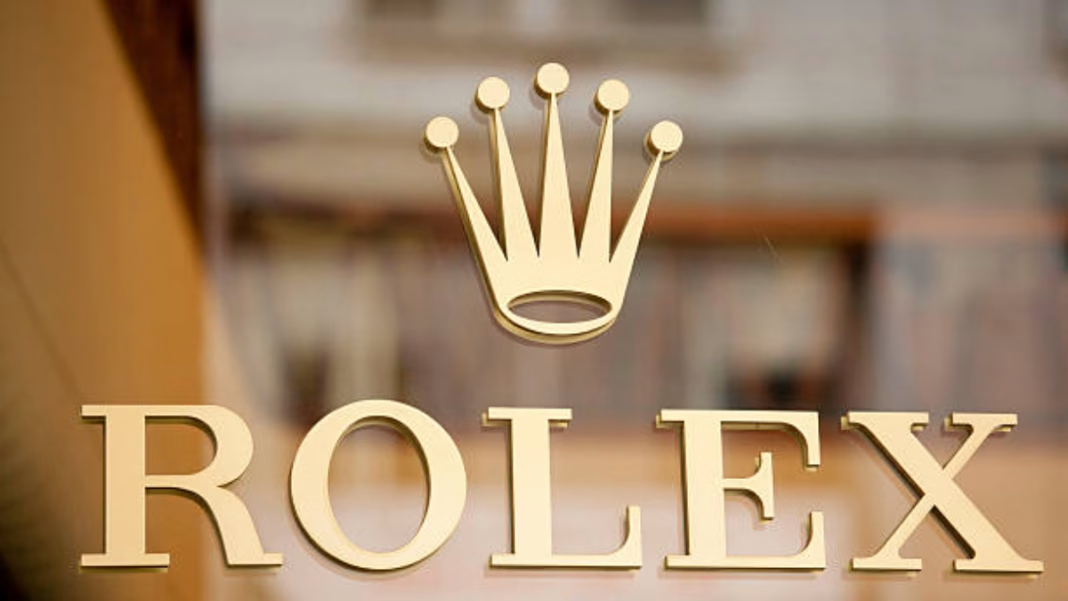
Declassified MI5 files reveal wartime doubts about Rolex founder’s political loyalties

Newly released files from British intelligence have revealed a controversial chapter in the history of one of the world’s most famous watch brands. The documents suggest that British intelligence suspected the German-born founder of Rolex during World War II of holding strong Nazi sympathies and even acting as a spy.

The records, kept by MI5 between 1941 and 1943, describe the founder as a person with possible links to high-ranking officials in Nazi Germany. They also raise concerns that he may have spread propaganda for Adolf Hitler’s regime. The UK National Archives store the files and include the wartime code name “Box 500” used by British intelligence.

A 1941 report from the British consul in Geneva described the watchmaker as “well known” for his sympathy towards the Nazi cause. The report also claimed that his brother worked for the propaganda ministry in Germany. Swiss police monitored him over fears that he might help spread German messaging around the world.

This was during a period when Switzerland, although officially neutral, was under close scrutiny by both Allied and Axis powers. Many businesses faced pressure from both sides, and any sign of leaning towards one camp could trigger serious consequences.

Spy Concerns and the Prisoner of War Watch Shipments

MI5 papers from 1943 show that British intelligence was keeping a close watch on Rolex’s operations in the UK. Authorities suspected that there could be “espionage on behalf of the enemy.”

The doubts even extended to one of the most famous stories linked to the brand — sending free Rolex watches to Allied prisoners of war. In 1940, German forces confiscated watches from captured soldiers. One prisoner reached out to the Rolex founder, who responded by sending him a replacement without asking for payment until after the war. He also sent food parcels and tobacco to prisoners.

Cyberattack Catastrophe: How Hackers Can Endanger Human Lives ?

This act earned the company a reputation for generosity, but some wartime officials believed it might have been more than just kindness. They speculated it could have been a smart move to win favour with Britain during a time when most Swiss watch imports to the UK were banned.

The files show that hundreds of such watches went to camps across Europe. This increased the brand’s visibility among soldiers. For many, Rolex became a symbol of reliability and trust. But intelligence officers questioned if this wide distribution was also a way to build influence or goodwill during the war.

Why a Trade Blacklist Never Happened

The 1941 records show that the Ministry of Economic Warfare’s Blacklist Section considered banning the Rolex founder from trading. This could have caused serious damage to the brand’s business across the British Empire. However, officials later decided against it. The reason was that much of the company’s trade benefited Allied markets, making a ban less appealing.

By 1943, MI5 had chosen not to blacklist him, but their suspicion remained. One British diplomat in Geneva wrote there was “no doubt whatever” about his political beliefs. The diplomat also questioned whether his help to prisoners of war was truly an act of goodwill.

How Cyber Attacks on Industrial Control Systems Can Endanger Lives ?

A spokesperson for the watchmaker has since confirmed that they are aware of the old MI5 file. The company has launched an independent investigation led by a Swiss historian who specialises in the country’s wartime history. The findings will be made public once the research is complete.

The files also reveal that distrust of the founder lasted throughout the war. While no formal charges or punishments were given, his name remained linked to wartime suspicion, and the story continues to raise questions today.
Renuka Bangale
Renuka Bangale
Renuka is a distinguished Chartered Accountant and a Certified Digital Threats Analyst from Riskpro, renowned for her expertise in cybersecurity. With a deep understanding of cybercrimes, malware, cyber warfare, and espionage, she has established herself as an authority in the field. Renuka combines her financial acumen with advanced knowledge of digital threats to provide unparalleled insights into the evolving landscape of information security. Her analytical prowess enables her to dissect complex cyber incidents, offering clarity on risks and mitigation strategies. As a key contributor to Newsinterpretation’s information security category, Renuka delivers authoritative articles that educate and inform readers about emerging threats and best practices.

TOP 10 TRENDING ON NEWSINTERPRETATION

Cyber Attacks on Space Infrastructure: Satellites, GPS and the Ground Systems Behind Them

From the Viasat KA-SAT hack to GPS jamming over the Baltic, a research guide to how attackers target satellites, navigation signals and ground stations, and why it matters on Earth.

How AI Agents Are Used in Cyber Attacks: From Assisted Hacking to AI-Orchestrated Espionage

Attackers now use AI agents to scan networks, write exploits and run extortion campaigns. A research guide to documented cases, including the first reported AI-orchestrated espionage campaign, and what defenders should do.

Cyber Attacks on AI and LLMs: How Attackers Target Large Language Models

Prompt injection, data poisoning, model theft and jailbreaks: a research guide to how attackers target AI systems and large language models, with real cases and defences.

French Supermarket Refrigeration Cyberattack: How Hacking the Cold Chain Can Endanger Lives

In October 2026 attackers heated refrigeration cabinets in hundreds of French supermarkets to as much as 50°C. No one was hurt, but the attack shows how hacking the cold chain can endanger lives through fire, food poisoning and spoiled medicines.

Cyberattacks on Nuclear Facilities: Stuxnet, Kudankulam and the Limits of Air Gaps

Stuxnet, the Davis-Besse worm and malware at India’s Kudankulam plant: what they show about cyber risk at nuclear facilities and the limits of air gaps.

Triton: When Hackers Target the Safety Systems That Prevent Industrial Disasters

The 2017 Triton attack targeted the safety systems that prevent industrial disasters. What happened, who was charged, and how plants protect their last line of defence.

Cybersecurity Risks in Smart Cities: When Connected Infrastructure Fails

How connecting traffic control, emergency alerts and utilities concentrates cyber risk in cities, what the Dallas and Atlanta incidents showed, and what governments recommend.

Weaponized Drones: Hijacking, GPS Spoofing and Emerging Cyber Warfare Risks

How drones can be hijacked, jammed or misled by GPS spoofing, what researchers have demonstrated, and why governments treat drone fleets as a security risk.

Ransomware Attacks on Hospitals: How Healthcare Cyberattacks Put Patients at Risk

How ransomware against hospitals and their suppliers delays care and endangers patients, what the Düsseldorf and WannaCry cases show, and what research says about deaths.

Operational blunder exposes massive Russian cyber espionage attack on Ukrainian prosecutors

A major cyberattack has compromised the email accounts of...

Cyber Attacks on Space Infrastructure: Satellites, GPS and the Ground Systems Behind Them

From the Viasat KA-SAT hack to GPS jamming over the Baltic, a research guide to how attackers target satellites, navigation signals and ground stations, and why it matters on Earth.

French Supermarket Refrigeration Cyberattack: How Hacking the Cold Chain Can Endanger Lives

In October 2026 attackers heated refrigeration cabinets in hundreds of French supermarkets to as much as 50°C. No one was hurt, but the attack shows how hacking the cold chain can endanger lives through fire, food poisoning and spoiled medicines.

Cyberattacks on Nuclear Facilities: Stuxnet, Kudankulam and the Limits of Air Gaps

Stuxnet, the Davis-Besse worm and malware at India’s Kudankulam plant: what they show about cyber risk at nuclear facilities and the limits of air gaps.

Triton: When Hackers Target the Safety Systems That Prevent Industrial Disasters

The 2017 Triton attack targeted the safety systems that prevent industrial disasters. What happened, who was charged, and how plants protect their last line of defence.

Cybersecurity Risks in Smart Cities: When Connected Infrastructure Fails

How connecting traffic control, emergency alerts and utilities concentrates cyber risk in cities, what the Dallas and Atlanta incidents showed, and what governments recommend.

Ransomware Attacks on Hospitals: How Healthcare Cyberattacks Put Patients at Risk

How ransomware against hospitals and their suppliers delays care and endangers patients, what the Düsseldorf and WannaCry cases show, and what research says about deaths.

FBI warns of AVrecon malware targeting outdated routers linked to proxy based cybercrime

A serious cybersecurity warning has been issued regarding commonly...

Related Articles

Popular Categories
