


The debate in Washington has intensified after strong criticism emerged over the use of military force against drug cartels without clear approval from lawmakers. Concerns have been raised about transparency, legal authority, and the lack of shared intelligence with Congress. The issue centers on reports that the Trump administration carried out or supported forceful actions against criminal drug organizations, including operations near Venezuela, without first presenting evidence or justification to elected representatives.
At the heart of the dispute is whether the executive branch acted beyond its powers by using military force without first informing or consulting Congress. Critics argue that this approach risks pulling the country into another conflict without public debate or legal backing. Supporters of the action say it is a necessary step to fight drug trafficking that has caused widespread harm across the United States.
Growing Concerns Over Use of Force Without Congressional Approval
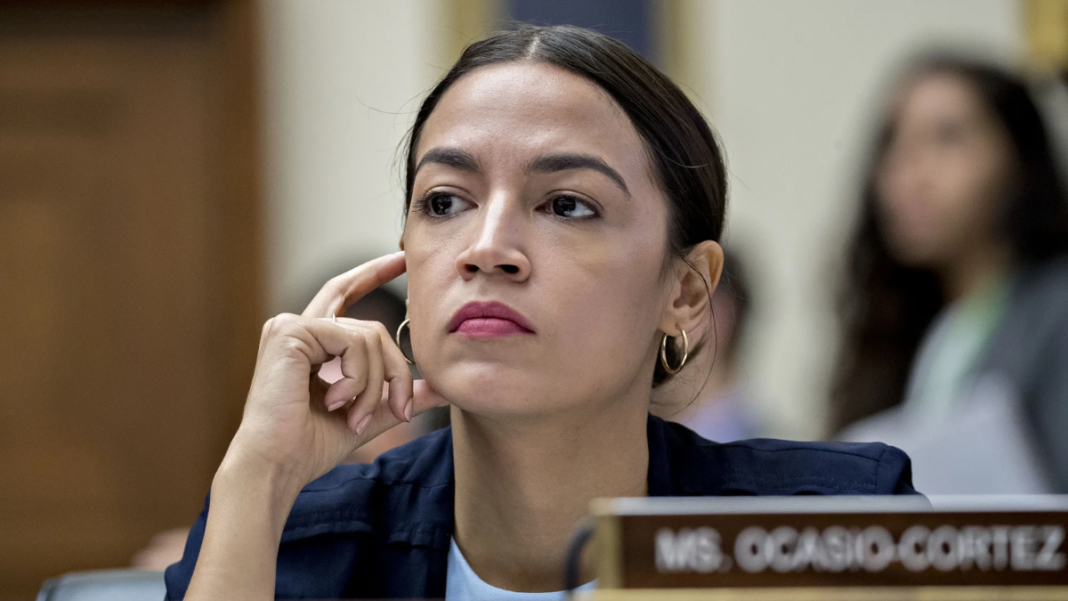
Democratic Congresswoman Alexandria Ocasio-Cortez (AOC) has been among the strongest critics, saying the lack of shared intelligence is “a huge red flag”. She emphasized that Congress has the responsibility to authorize military force, and that the Trump administration’s failure to provide briefings to key committees makes the action alarming.
Another Democratic lawmaker, Greg Casar, expressed similar concerns, saying he was “extremely concerned with the activity of cartels” but opposed to President Trump “unilaterally declaring war without consent of Congress.” They argue that the Constitution gives Congress the power to approve military force, and that any use of force outside U.S. borders should be discussed and authorized through a formal process.
GAO report backs AOC’s warning on Puerto Rico tax breaks costing taxpayers hundreds of millions
Opposition lawmakers stress that drug trafficking is a serious problem but believe it should not be used as a reason to bypass constitutional rules. The lack of intelligence sharing prevents Congress from judging whether the action was justified or necessary, raising fears about transparency and oversight.
Dispute Over Drug Policy and Military Strategy
The use of force against drug cartels is being described by critics as a continuation of the long-running “War on Drugs”. While drug-related deaths remain high in the U.S., opponents of military involvement, including AOC and Casar, argue the crisis is largely domestic and should be addressed through healthcare, prevention, and law enforcement, not warfare.
Another concern is the potential impact on U.S. relationships in Latin America. Critics warn that military actions in or near other countries could damage alliances and put service members at risk.
Supporters, including Republican Congresswoman Anna Paulina Luna, argue that drug cartels operate like armed groups and pose a serious threat. From this perspective, targeting them in international waters or outside U.S. borders is seen as a form of national defense rather than a declaration of war. Luna also rejected the idea that President Trump had “declared war”, saying the actions are limited and focused on stopping illegal drug shipments.
Intelligence Sharing at the Center of the Debate
The lack of shared intelligence has become one of the most controversial aspects of the issue. AOC pointed out that even if there were strong reasons for action, those reasons must be presented to Congress. Intelligence briefings are a normal part of authorizing military operations, especially when they involve sensitive national security matters.
Critics, including Casar, highlight that committees responsible for intelligence, defense, or national security were not provided with briefings. This has raised questions about what information was used to justify the action and whether it would withstand scrutiny.
Supporters of congressional oversight argue that this is not about politics but about following the law. Without proper authorization, the use of force could be seen as unconstitutional. On the other hand, lawmakers like Luna stress that quick action is sometimes needed to stop criminal networks and prevent drug trafficking from continuing unchecked.
The disagreement reflects deeper tensions over war powers, transparency, and how the U.S. should respond to international drug trafficking. Lawmakers continue to debate whether the action was legal, justified, and properly handled.