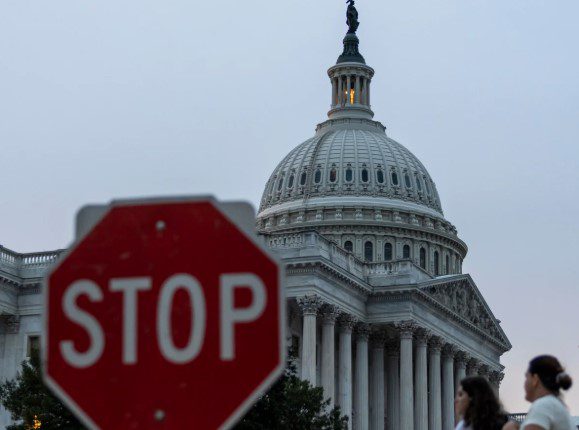

The United States federal government officially entered a Government Shutdown on Wednesday, 2025, after Congress failed to pass a spending bill and political deadlock persisted. Hundreds of thousands of federal workers were sent home without pay, and many government offices temporarily closed. This marks the first federal shutdown since 2019, raising questions about the impact on citizens, essential services, and the economy.
Government Shutdown Hits the Nation
A government shutdown occurs when Congress and the President cannot agree on funding for federal operations. During this 2025 shutdown, the disagreement focused on extending expiring healthcare subsidies and reversing cuts to Medicaid and other social programs. Senate Democrats blocked a Republican plan to keep the government funded through November 21, while Republicans rejected the Democratic proposal to extend funding through the end of October with over $1 trillion allocated to healthcare. With both sides refusing to compromise, no agreement passed, triggering a full government shutdown.
The federal shutdown has led to immediate effects on public services. Roughly 750,000 federal employees are furloughed, meaning they are sent home temporarily without pay. A furlough is a government-imposed leave of absence where employees are not allowed to work and do not receive pay but remain employed. Essential workers, including air traffic controllers, TSA personnel, military members, and border security agents, continue to work but will not receive paychecks until the shutdown ends. Social Security, Medicare, and Medicaid payments continue, but some related services could be delayed.
The shutdown also affects military personnel. Around 2 million active-duty troops, including National Guard members deployed in U.S. cities, are required to report for duty without pay. Military operations like border security, missile shield projects, and critical munitions production continue as priorities. The White House’s Office of Management and Budget has warned federal agencies to prepare for possible permanent layoffs for programs whose funding lapses.
What is Open and What is Closed
During the shutdown, certain services continue to operate, while others are paused. The United States Postal Service remains open, allowing mail delivery to continue. Air-traffic control services, federal law enforcement agencies, and active-duty military personnel also remain operational. Social Security and Medicare payments are unaffected, though related administrative services may slow down.
On the other hand, many services are temporarily closed. National parks, visitor centers, and tours of federal government buildings have stopped operations. Smithsonian museums are also closed during the shutdown. Courts at local, state, and federal levels may reduce services or close depending on the duration of the shutdown.
Trump’s midnight standoff sparks 14th U.S. government shutdown since 1980
Understanding who is affected by government shutdowns is important. Federal workers not considered essential are furloughed, meaning they will not receive pay during the shutdown. Essential workers, including emergency responders and military personnel, continue working but are not paid until funding resumes. Private citizens may see delays in government services, such as processing of permits, licenses, or other administrative tasks.
Political Impasse and Economic Impact
The 2025 government shutdown highlights the deep partisan divide in Congress. Senate votes on both Republican and Democratic spending bills fell short of the required threshold. Republicans supported their measure, which failed 55-45, while Democrats’ proposal failed 53-47. With no compromise, federal agencies began executing orderly shutdown procedures.
Government shutdowns have occurred multiple times in U.S. history, and this is not the first time federal employees faced furloughs. The last major shutdown in 2019 lasted 35 days, mainly due to a standoff over border wall funding. This 2025 shutdown is considered more critical due to its focus on healthcare subsidies and social programs. Economic experts warn that government shutdowns affect public spending, federal contractors, and the economy. During the 2018–2019 shutdown, the Congressional Budget Office estimated $3 billion in economic activity was lost.
The shutdown has sparked widespread questions among citizens: “Did the government shut down today?” “What does a government shutdown mean?” “Who is affected by government shutdown 2025?” and “What does furlough mean?” Information from official sources clarifies that while core services like Social Security, Medicare, and military operations continue, non-essential federal employees are furloughed, and many public services are paused.
As of now, the government shutdown 2025 has created uncertainty across federal agencies, workplaces, and communities. Citizens are advised to check the status of specific services before planning visits or expecting routine government interactions. The impact of the shutdown remains immediate and widespread, affecting both employees and the public.