

Heightened Security Alert at US Military Bases in Europe Raises Concerns

Several US military bases around Europe have stepped up their security alert levels this. Weekend to the second-highest level, known as Force Protection Condition, or FPCON.        “Charlie,” according to two US officials, citing concerns about potential terrorist threats.

Alert Level Raised: FPCON Charlie in Effect

When credible intelligence is received or after a probable threat of terrorist action. Against personnel or facilities is indicated, FPCON Charlie is activated. This represents the first time in more than a decade that US military bases in Europe. Have come under such a high alert level.

The US European Command said, “We are keeping a close watch on the situation and thinking about many security factors.” They didn’t share details because it’s important for their operations to stay secret. They also reminded military personnel and their families to stay alert.

The command is always checking the security situation to keep military members and their families safe. The alert is higher now because of several threats against US forces in Europe.

The specific information behind this increased security hasn’t been shared. But with big events like the upcoming Paris Olympics and the European football championships in Germany, there are more worries about terrorist activities in Europe.

France Heightens National Security Alert for Olympic Games

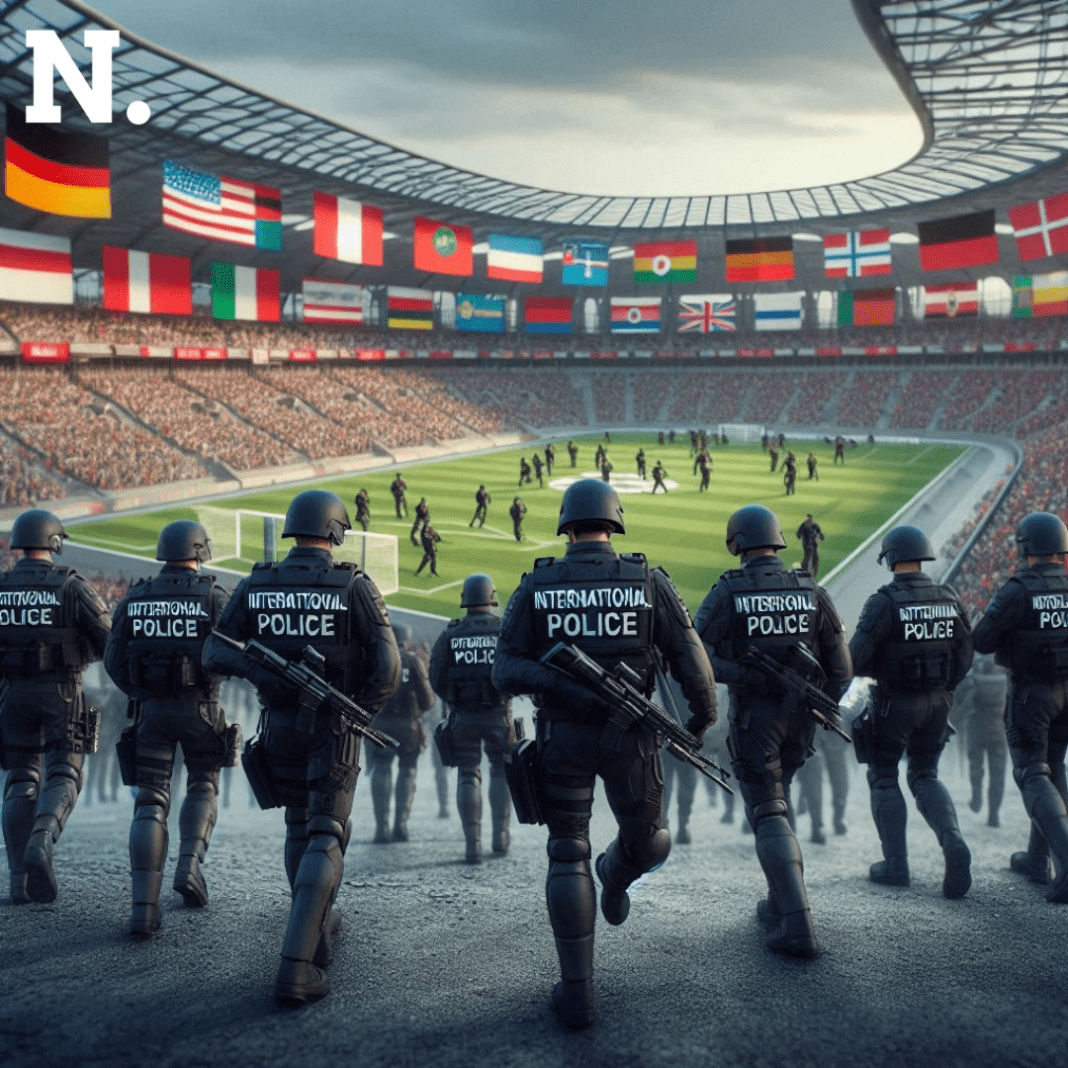
The German government has responded to this situation. By sending out 580 international police to ensure tight security throughout the football tournament. The Interior Minister of Germany, Nancy Faeser, expressed her nation’s preparedness for any eventuality. May it be on terrorism or even public disorder.

As co-partners, state authorities in France have also increased their national security alert station. To prepare for the Olympic Games amidst evolving threats. From not just structured terrorist groups but radicalized individuals. The US embassy in France issued an alert against attacks. On tourist locations, big events, or any other crowded public places within France.

With tensions running high, European authorities are continuing to work closely with foreign partners. In identifying and minimizing risks to public health and well-being for residents and visitors alike. This situation shows how the effort of securing Europe is continuous since security threats are changing each day nowadays.

US Military and European Governments

During this time, everyone in this area needs to be extra careful. If you see anything strange or unusual, tell the police right away. The US military and many European governments are working really hard to keep everyone safe right now.

US military installations in Europe have increased their Force Protection Condition. To “Charlie” based on serious concerns about a potential terrorist threat.  this is the first such tightening of security in over ten years. It indicates a credible and imminent danger perceived by American officials.

Secrecy in Security Testing Maintained by USEUCOM

USEUCOM is making sure their security tests are kept secret. This helps protect their military personnel and their families. Commander Dan Day said that big events like the Paris Olympics and the European football championships are coming up. Because of this, USEUCOM is doing everything they can to keep everyone safe from any attacks.

Germany and France are getting ready for big events. Germany is sending more police officers to keep everyone safe during the football tournament. France has increased its security level for the upcoming Olympics. It is very important for European authorities to work closely with international partners. This helps avoid risks and keeps the public safe. Residents and tourists need to stay alert because the situation is always changing. Everyone can help by working with the US military and European governments to keep things safe. If you see anything suspicious, report it right away. This is especially important during these uncertain times.
Vedangi Verma
Vedangi Verma
Vedangi Verma is working as an journalism intern in 'newsinterpretation'. She has published articles that cover topics like military and security, national and international politics, cybersecurity, ecological conditions of the said area and so on.

TOP 10 TRENDING ON NEWSINTERPRETATION

Cyber Attacks on Space Infrastructure: Satellites, GPS and the Ground Systems Behind Them

From the Viasat KA-SAT hack to GPS jamming over the Baltic, a research guide to how attackers target satellites, navigation signals and ground stations, and why it matters on Earth.

How AI Agents Are Used in Cyber Attacks: From Assisted Hacking to AI-Orchestrated Espionage

Attackers now use AI agents to scan networks, write exploits and run extortion campaigns. A research guide to documented cases, including the first reported AI-orchestrated espionage campaign, and what defenders should do.

Cyber Attacks on AI and LLMs: How Attackers Target Large Language Models

Prompt injection, data poisoning, model theft and jailbreaks: a research guide to how attackers target AI systems and large language models, with real cases and defences.

French Supermarket Refrigeration Cyberattack: How Hacking the Cold Chain Can Endanger Lives

In October 2026 attackers heated refrigeration cabinets in hundreds of French supermarkets to as much as 50°C. No one was hurt, but the attack shows how hacking the cold chain can endanger lives through fire, food poisoning and spoiled medicines.

Cyberattacks on Nuclear Facilities: Stuxnet, Kudankulam and the Limits of Air Gaps

Stuxnet, the Davis-Besse worm and malware at India’s Kudankulam plant: what they show about cyber risk at nuclear facilities and the limits of air gaps.

Triton: When Hackers Target the Safety Systems That Prevent Industrial Disasters

The 2017 Triton attack targeted the safety systems that prevent industrial disasters. What happened, who was charged, and how plants protect their last line of defence.

Cybersecurity Risks in Smart Cities: When Connected Infrastructure Fails

How connecting traffic control, emergency alerts and utilities concentrates cyber risk in cities, what the Dallas and Atlanta incidents showed, and what governments recommend.

Weaponized Drones: Hijacking, GPS Spoofing and Emerging Cyber Warfare Risks

How drones can be hijacked, jammed or misled by GPS spoofing, what researchers have demonstrated, and why governments treat drone fleets as a security risk.

Ransomware Attacks on Hospitals: How Healthcare Cyberattacks Put Patients at Risk

How ransomware against hospitals and their suppliers delays care and endangers patients, what the Düsseldorf and WannaCry cases show, and what research says about deaths.

Operational blunder exposes massive Russian cyber espionage attack on Ukrainian prosecutors

A major cyberattack has compromised the email accounts of...

Cyber Attacks on Space Infrastructure: Satellites, GPS and the Ground Systems Behind Them

From the Viasat KA-SAT hack to GPS jamming over the Baltic, a research guide to how attackers target satellites, navigation signals and ground stations, and why it matters on Earth.

French Supermarket Refrigeration Cyberattack: How Hacking the Cold Chain Can Endanger Lives

In October 2026 attackers heated refrigeration cabinets in hundreds of French supermarkets to as much as 50°C. No one was hurt, but the attack shows how hacking the cold chain can endanger lives through fire, food poisoning and spoiled medicines.

Cyberattacks on Nuclear Facilities: Stuxnet, Kudankulam and the Limits of Air Gaps

Stuxnet, the Davis-Besse worm and malware at India’s Kudankulam plant: what they show about cyber risk at nuclear facilities and the limits of air gaps.

Triton: When Hackers Target the Safety Systems That Prevent Industrial Disasters

The 2017 Triton attack targeted the safety systems that prevent industrial disasters. What happened, who was charged, and how plants protect their last line of defence.

Cybersecurity Risks in Smart Cities: When Connected Infrastructure Fails

How connecting traffic control, emergency alerts and utilities concentrates cyber risk in cities, what the Dallas and Atlanta incidents showed, and what governments recommend.

Ransomware Attacks on Hospitals: How Healthcare Cyberattacks Put Patients at Risk

How ransomware against hospitals and their suppliers delays care and endangers patients, what the Düsseldorf and WannaCry cases show, and what research says about deaths.

FBI warns of AVrecon malware targeting outdated routers linked to proxy based cybercrime

A serious cybersecurity warning has been issued regarding commonly...

Related Articles

Popular Categories
