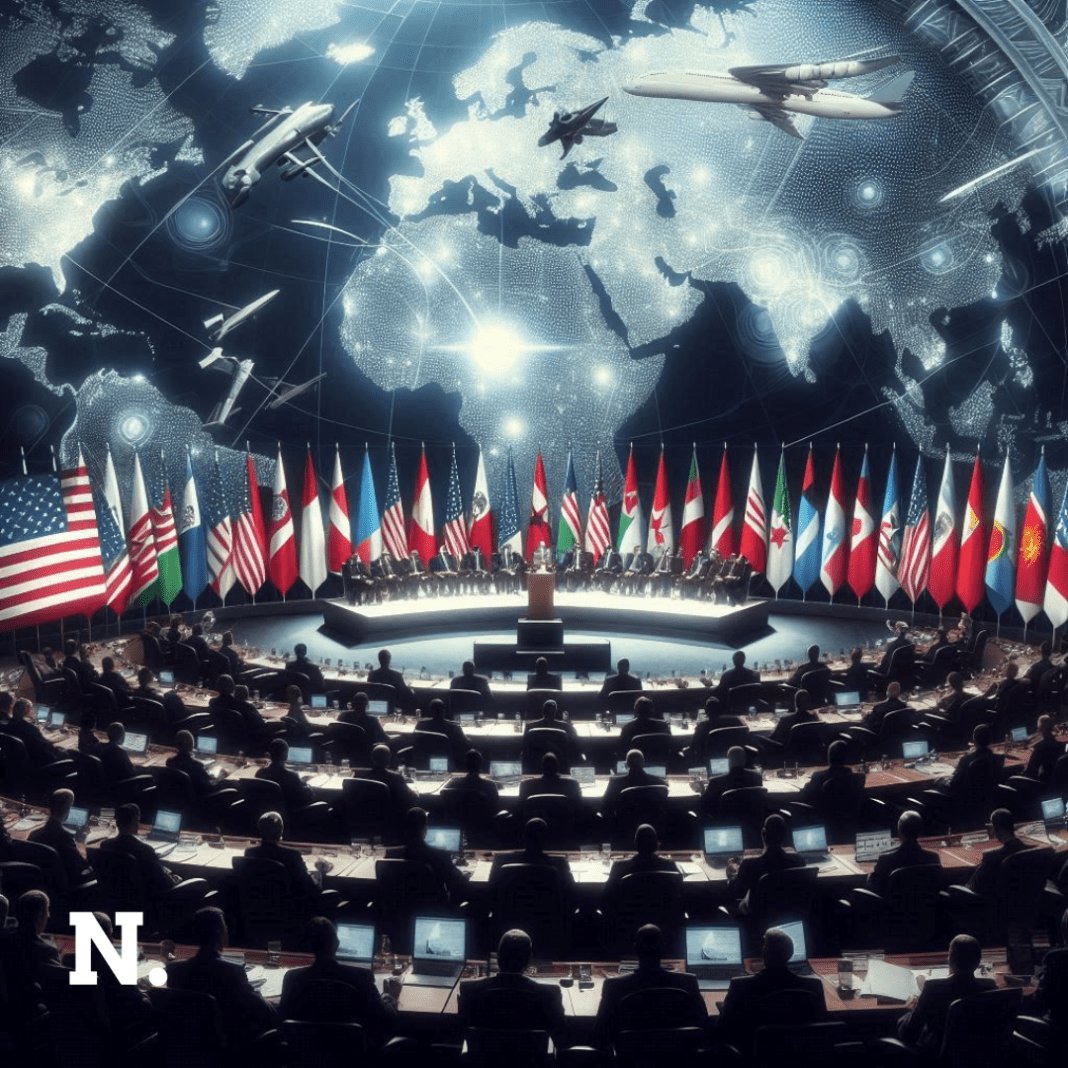

The United States and Botswana are set to co-host an important defense conference. It will be held in Gaborone, the capital city of Botswana, during the last week of June. Defence Chiefs from all throughout Africa will come together for this conference. They will share ideas and create alliances. They will also work together to deal with common security issues.
Defence Chiefs Addressed Layered Threats in Africa
Marine Corps General Michael Langley, commander of U.S. Africa Command, made clear that each African country faces unique challenges and drivers of instability. He showed that these issues, particularly across the Sahel region, will be the primary focus of talks at the conference. Langley pointed out that African nations see the U.S. as a trusted ally. The U.S. helps partners achieve their security goals. This is done not only through military collaboration. It also has support from other U.S. government agencies.
A Whole-of-Government Approach
The United States, according to Langley, brings a complete, whole-of-government approach to the table known as the “3D” strategy, which combines development, defense, and diplomacy. This plan suggests collaboration with the U.S. Agency for International Development (USAID), the State Department, and other interagency representatives. Langley stressed that this broad approach is needed for developing lasting solutions to the diverse and layered threats present on the African continent.
Collaborative Efforts mentioned by the Defence Chiefs
In order to accomplish their security goals, African countries in the north, west, and Sahel have aggressively pursued talks with the United States, according to Langley. He added that these countries admit the built-in worth that the United States contributes to these tasks. Libya, in particular, has been a focus of diplomatic and defense collaboration. Langley mentioned that both the Libyan National Army and the Government of National Unity would be represented at the conference, showing Libya’s promise to gain a clear end state with the help of U.S. engagement.
Historic Defence Chiefs ‘s Conference
For the first time, the conference will be held in Africa this year. It will be co-hosted by the United States and an African country. Langley highlighted the significance of this development. He noted that it shows the growing give and take between the U.S. and African nations. This alliance focuses on talking about security challenges.
Orderly Withdrawal from Niger
As agreed upon with the Nigerien leadership, the United States is on schedule to end its orderly departure from Niger during the conference. The removal process includes the transport of heavy equipment and personnel from Air Base 101 near Niamey and will conclude with the withdrawal from Air Base 201 in Agadez. Langley assured that the task is going smoothly and is either on time or ahead of time.
Enhancing Regional Security and Stability
The conference in Botswana aims to strengthen regional security and stability by aiding collaboration among African defense chiefs and their U.S. allies. Langley pressed the need of addressing different threats faced by African nations through a collaborative and detailed approach. By bringing together military leaders and using the skill of various U.S. government agencies, the conference seeks to develop good plans for fighting terrorism and other security tasks in the region.
Focus on Sahel Region
The Sahel region, in particular, has been a hotspot for security concerns, with numerous countries facing challenges related to terrorism, insurgency, and political instability. The conference will provide a platform for African leaders to discuss these issues and share best practices for dealing with them. The U.S. aims to support these efforts by giving its skill and resources to help African nations build good security and promote stability.
Strengthening US-Africa Defense Relations
The co-hosting of the conference by the U.S. and Botswana represents a significant step in building up defense relations between the U.S. and African nations. It reflects a commitment to working together to deal with common security risks and aid peace and stability across the continent. The event is expected to result in actions and deals that will increase partnership and support for African defense initiatives.
Reflections
The Africa Defense Chiefs and U.S. conference in Botswana is a main event. It aims to address security and stability challenges faced by African nations. By aiding collaboration, the conference seeks to develop lasting solutions. These solutions target the different threats present on the continent. The event shows the need of U.S.-Africa defense relations. It shows the commitment of both parties to promoting regional security and stability. As the U.S. completes its orderly withdrawal from Niger, it stays devoted to back the African nations. The U.S. aims to help African nations in their chase of security and balance.