

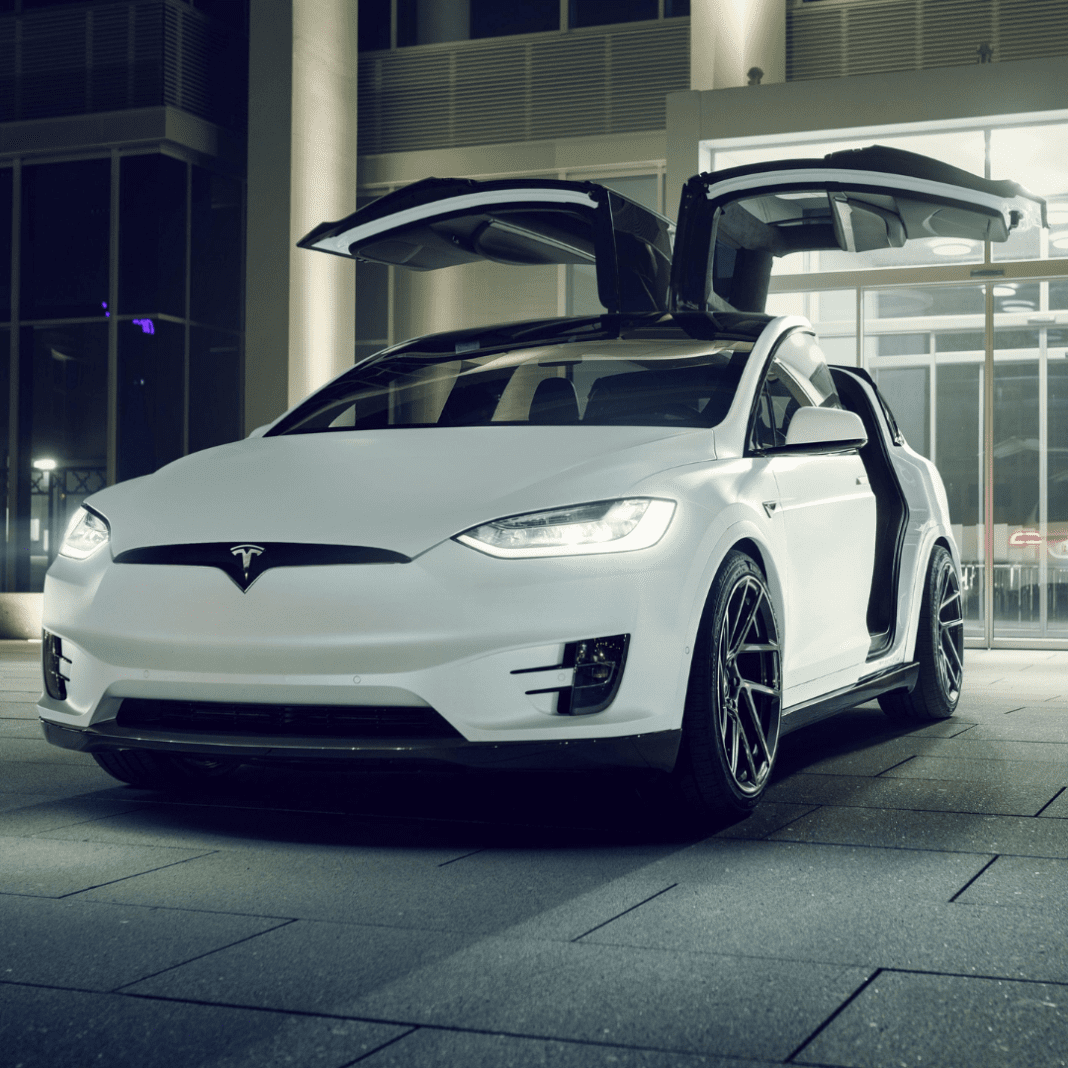
High Tariffs Force Tesla to Pull Model S and Model X from China

Tesla has officially stopped selling its luxury Model S and Model X vehicles in China. If you visit Tesla’s Chinese website today, you won’t find an option to order these cars anymore. That’s a pretty big move, even though these particular models don’t make up a large chunk of Tesla’s sales in China — or anywhere else in the world.

So, why the sudden stop? The main reason appears to be new tariffs, or extra taxes, that China has placed on cars made in the United States. These taxes have jumped from an already high 84% to a whopping 125%. That means any car Tesla sends from the U.S. to China would cost way more once it gets there. The Model S and Model X are both built only in the U.S., so these higher costs hit them hard.

For Tesla, selling those two models in China right now just doesn’t make financial sense. Even though the company only sold about 2,000 of them in China recently, it still shows how much the business is being affected by the growing trade fight between the U.S. and China.

Why Tesla Made This Move

Tesla isn’t pulling out of China completely. In fact, Tesla is still selling its more affordable and much more popular cars the Model 3 and Model Y as usual. The company builds these two models in its massive factory in Shanghai, so they don’t face the same high taxes as the American-made ones.

Right now, Chinese customers can still buy the Model S and Model X, but only from the remaining inventory basically, Tesla already shipped these cars to China before making this decision. Once customers buy those, Tesla won’t ship new ones unless something changes.

How Cyber Attacks on Industrial Control Systems Can Endanger Lives ?

It’s important to understand that the Model S and X have never been Tesla’s biggest sellers. They are more expensive and aimed at luxury car buyers, while the Model 3 and Model Y are more budget-friendly and designed for mass appeal. Because of this, the decision to stop selling S and X models in China may not hurt Tesla too much in terms of total sales. However, it’s still a clear sign that tensions between China and the U.S. are starting to affect the auto industry in serious ways.

Trade War Tensions Spark Trouble

At the center of this issue is a trade war — a kind of economic disagreement — between China and the United States. The U.S. recently added new tariffs on products from China, and in response, China did the same to American goods. This kind of back-and-forth can make it very hard for companies that do business in both countries.

Tesla is now caught in the middle. It builds some of its cars in the U.S. and some in China, but the new taxes mainly hurt the U.S.-made vehicles. That’s why the Model S and Model X were the first to be pulled from sale in China.

Cyberattack Catastrophe: How Hackers Can Endanger Human Lives ?

This move shows how tricky things can get when countries disagree on trade rules. Tesla and other car makers have to deal with new rules and higher costs. Sometimes, they have to make hard choices. One example is removing some car models from big markets.

Tesla is still active in China because it makes some cars there. But this change shows how fast business plans can change when global politics get involved. The Model S and Model X were not top sellers in China. Still, their sudden exit shows how tense things are between two of the world’s biggest economies.


Renuka Bangale
Renuka Bangale
Renuka is a distinguished Chartered Accountant and a Certified Digital Threats Analyst from Riskpro, renowned for her expertise in cybersecurity. With a deep understanding of cybercrimes, malware, cyber warfare, and espionage, she has established herself as an authority in the field. Renuka combines her financial acumen with advanced knowledge of digital threats to provide unparalleled insights into the evolving landscape of information security. Her analytical prowess enables her to dissect complex cyber incidents, offering clarity on risks and mitigation strategies. As a key contributor to Newsinterpretation’s information security category, Renuka delivers authoritative articles that educate and inform readers about emerging threats and best practices.

TOP 10 TRENDING ON NEWSINTERPRETATION

Cyber Attacks on Space Infrastructure: Satellites, GPS and the Ground Systems Behind Them

From the Viasat KA-SAT hack to GPS jamming over the Baltic, a research guide to how attackers target satellites, navigation signals and ground stations, and why it matters on Earth.

How AI Agents Are Used in Cyber Attacks: From Assisted Hacking to AI-Orchestrated Espionage

Attackers now use AI agents to scan networks, write exploits and run extortion campaigns. A research guide to documented cases, including the first reported AI-orchestrated espionage campaign, and what defenders should do.

Cyber Attacks on AI and LLMs: How Attackers Target Large Language Models

Prompt injection, data poisoning, model theft and jailbreaks: a research guide to how attackers target AI systems and large language models, with real cases and defences.

French Supermarket Refrigeration Cyberattack: How Hacking the Cold Chain Can Endanger Lives

In October 2026 attackers heated refrigeration cabinets in hundreds of French supermarkets to as much as 50°C. No one was hurt, but the attack shows how hacking the cold chain can endanger lives through fire, food poisoning and spoiled medicines.

Cyberattacks on Nuclear Facilities: Stuxnet, Kudankulam and the Limits of Air Gaps

Stuxnet, the Davis-Besse worm and malware at India’s Kudankulam plant: what they show about cyber risk at nuclear facilities and the limits of air gaps.

Triton: When Hackers Target the Safety Systems That Prevent Industrial Disasters

The 2017 Triton attack targeted the safety systems that prevent industrial disasters. What happened, who was charged, and how plants protect their last line of defence.

Cybersecurity Risks in Smart Cities: When Connected Infrastructure Fails

How connecting traffic control, emergency alerts and utilities concentrates cyber risk in cities, what the Dallas and Atlanta incidents showed, and what governments recommend.

Weaponized Drones: Hijacking, GPS Spoofing and Emerging Cyber Warfare Risks

How drones can be hijacked, jammed or misled by GPS spoofing, what researchers have demonstrated, and why governments treat drone fleets as a security risk.

Ransomware Attacks on Hospitals: How Healthcare Cyberattacks Put Patients at Risk

How ransomware against hospitals and their suppliers delays care and endangers patients, what the Düsseldorf and WannaCry cases show, and what research says about deaths.

Operational blunder exposes massive Russian cyber espionage attack on Ukrainian prosecutors

A major cyberattack has compromised the email accounts of...

Cyber Attacks on Space Infrastructure: Satellites, GPS and the Ground Systems Behind Them

From the Viasat KA-SAT hack to GPS jamming over the Baltic, a research guide to how attackers target satellites, navigation signals and ground stations, and why it matters on Earth.

French Supermarket Refrigeration Cyberattack: How Hacking the Cold Chain Can Endanger Lives

In October 2026 attackers heated refrigeration cabinets in hundreds of French supermarkets to as much as 50°C. No one was hurt, but the attack shows how hacking the cold chain can endanger lives through fire, food poisoning and spoiled medicines.

Cyberattacks on Nuclear Facilities: Stuxnet, Kudankulam and the Limits of Air Gaps

Stuxnet, the Davis-Besse worm and malware at India’s Kudankulam plant: what they show about cyber risk at nuclear facilities and the limits of air gaps.

Triton: When Hackers Target the Safety Systems That Prevent Industrial Disasters

The 2017 Triton attack targeted the safety systems that prevent industrial disasters. What happened, who was charged, and how plants protect their last line of defence.

Cybersecurity Risks in Smart Cities: When Connected Infrastructure Fails

How connecting traffic control, emergency alerts and utilities concentrates cyber risk in cities, what the Dallas and Atlanta incidents showed, and what governments recommend.

Ransomware Attacks on Hospitals: How Healthcare Cyberattacks Put Patients at Risk

How ransomware against hospitals and their suppliers delays care and endangers patients, what the Düsseldorf and WannaCry cases show, and what research says about deaths.

FBI warns of AVrecon malware targeting outdated routers linked to proxy based cybercrime

A serious cybersecurity warning has been issued regarding commonly...

Related Articles

Popular Categories
