

David Solomon Accepts Resignation: How the ‘Uncle Jeffrey’ Files Changed the Game at Goldman

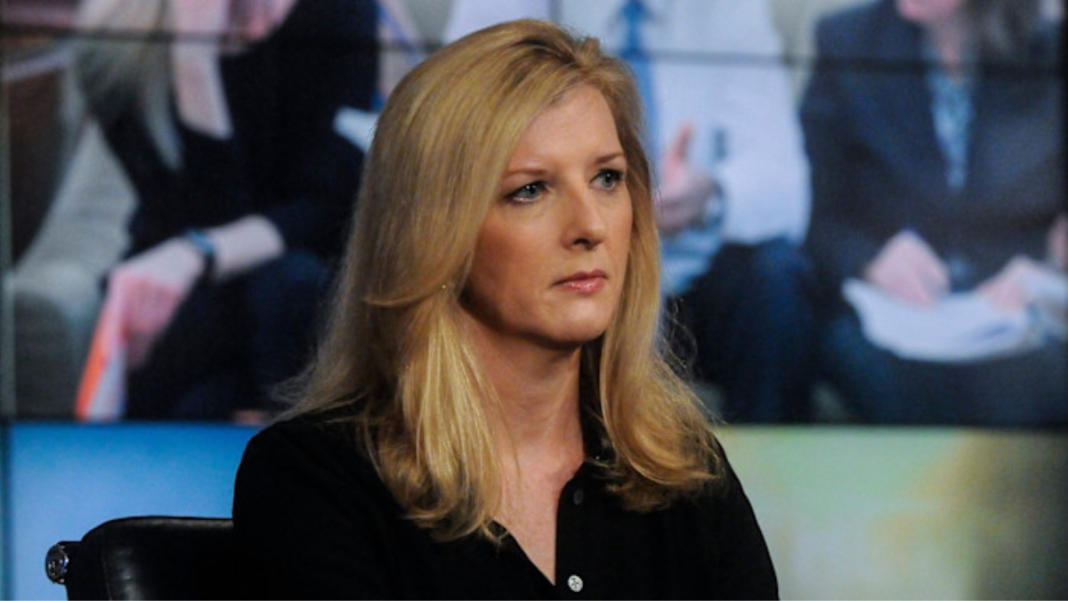
Goldman Sachs Group Inc. (GS) Chief Legal Officer Kathy Ruemmler will step down effective June 30, 2026, following a devastating release of DOJ documents detailing an intimate relationship with convicted sex offender Jeffrey Epstein. Ruemmler, the former White House Counsel under Barack Obama, saw her position at the bank become untenable after thousands of emails surfaced showing she referred to Epstein as “Uncle Jeffrey” and an “older brother” while accepting luxury gifts, including Hermès handbags and a fur coat. The move marks a stunning U-turn for CEO David Solomon, who had previously defended the bank’s top lawyer against mounting reputational risk before the latest tranche of 8,400 documents made her continued leadership a “distraction” for the Wall Street giant.

The issue quickly gained attention across financial and corporate circles because Ruemmler held one of the most senior legal positions on Wall Street. Her role required her to protect the firm from legal and reputational risks, making the controversy particularly significant for the bank and its leadership.

Emails Reveal Personal Relationship With Jeffrey Epstein

The controversy began after messages became public showing Ruemmler using affectionate language when speaking with Epstein. In several exchanges, she referred to him as “Uncle Jeffrey” and described him as an “older brother.” These reportedly occurred after Epstein’s 2008 conviction and registration as a sex offender.

Epstein files reveal emails discussing how to “neutralize” journalist Tina Brown

Reports also stated that Ruemmler, during her time in private legal practice, accepted expensive gifts from Epstein. These items included luxury handbags and a fur coat. In one email from 2018, she thanked Epstein for the gifts, calling them thoughtful. The acceptance of such gifts has raised questions about professional boundaries.

The emails also showed that Ruemmler had maintained communication with Epstein before his second arrest in 2019. Epstein later died in a Manhattan jail while awaiting trial. The release of these messages created strong public reactions and increased attention toward Ruemmler’s professional conduct and judgment.

Goldman Sachs Policies and Leadership Response

Goldman Sachs has strict internal rules that require employees to obtain approval before receiving gifts from clients or business contacts. These policies exist to prevent conflicts of interest and ensure compliance with anti-bribery laws. The revelations involving Ruemmler led to increased scrutiny regarding whether these rules were properly followed.

Shock Epstein records outline hidden link to entrepreneur and Tesla board member Kimbal Musk

Goldman Sachs Chief Executive Officer David Solomon acknowledged Ruemmler’s professional contributions while confirming that her resignation had been accepted. Before the emails surfaced, Solomon had publicly described her as an excellent lawyer and expressed confidence in her leadership. After the controversy, the company stated that she regretted knowing Epstein.

In her resignation statement, Ruemmler emphasized that her responsibility was always to place the firm’s interests first. She highlighted her efforts to manage legal risks, support regulatory compliance, and strengthen the company’s reputation during her time in the leadership role.

Career Background and Industry Reactions

Ruemmler joined Goldman Sachs after leaving government service and building a successful career in private legal practice. At the bank, she managed complex legal disputes, regulatory matters, and global compliance responsibilities. Her position placed her among the most influential legal executives in the financial sector.

Jeffrey Epstein’s criminal history and his death in a Manhattan jail in 2019 made any association with him highly sensitive. His case attracted worldwide attention due to allegations of sex trafficking and his links with powerful individuals.

Petra bill ignites firestorm over E stein’s $170M link to Peter Thiel

The financial and legal industries place strong importance on trust, transparency, and ethical decision-making. Senior executives are expected to maintain strict professional standards, especially when interacting with controversial figures. The release of Ruemmler’s emails and details about the gifts triggered widespread attention within corporate and legal communities.

The resignation represents a significant leadership change at Goldman Sachs, an institution widely recognized for its global financial influence. The situation has drawn public focus on corporate governance, professional conduct, and the responsibilities of top legal officers working within major financial organizations.


Samruddhi Kulkarni
Samruddhi Kulkarni
Samruddhi Kulkarni is a cybersecurity and artificial intelligence specialist who reports on emerging cyber threats, advanced AI systems, and data-driven risk trends shaping the digital world.

TOP 10 TRENDING ON NEWSINTERPRETATION

Cyber Attacks on Space Infrastructure: Satellites, GPS and the Ground Systems Behind Them

From the Viasat KA-SAT hack to GPS jamming over the Baltic, a research guide to how attackers target satellites, navigation signals and ground stations, and why it matters on Earth.

How AI Agents Are Used in Cyber Attacks: From Assisted Hacking to AI-Orchestrated Espionage

Attackers now use AI agents to scan networks, write exploits and run extortion campaigns. A research guide to documented cases, including the first reported AI-orchestrated espionage campaign, and what defenders should do.

Cyber Attacks on AI and LLMs: How Attackers Target Large Language Models

Prompt injection, data poisoning, model theft and jailbreaks: a research guide to how attackers target AI systems and large language models, with real cases and defences.

French Supermarket Refrigeration Cyberattack: How Hacking the Cold Chain Can Endanger Lives

In October 2026 attackers heated refrigeration cabinets in hundreds of French supermarkets to as much as 50°C. No one was hurt, but the attack shows how hacking the cold chain can endanger lives through fire, food poisoning and spoiled medicines.

Cyberattacks on Nuclear Facilities: Stuxnet, Kudankulam and the Limits of Air Gaps

Stuxnet, the Davis-Besse worm and malware at India’s Kudankulam plant: what they show about cyber risk at nuclear facilities and the limits of air gaps.

Triton: When Hackers Target the Safety Systems That Prevent Industrial Disasters

The 2017 Triton attack targeted the safety systems that prevent industrial disasters. What happened, who was charged, and how plants protect their last line of defence.

Cybersecurity Risks in Smart Cities: When Connected Infrastructure Fails

How connecting traffic control, emergency alerts and utilities concentrates cyber risk in cities, what the Dallas and Atlanta incidents showed, and what governments recommend.

Weaponized Drones: Hijacking, GPS Spoofing and Emerging Cyber Warfare Risks

How drones can be hijacked, jammed or misled by GPS spoofing, what researchers have demonstrated, and why governments treat drone fleets as a security risk.

Ransomware Attacks on Hospitals: How Healthcare Cyberattacks Put Patients at Risk

How ransomware against hospitals and their suppliers delays care and endangers patients, what the Düsseldorf and WannaCry cases show, and what research says about deaths.

Operational blunder exposes massive Russian cyber espionage attack on Ukrainian prosecutors

A major cyberattack has compromised the email accounts of...

Cyber Attacks on Space Infrastructure: Satellites, GPS and the Ground Systems Behind Them

From the Viasat KA-SAT hack to GPS jamming over the Baltic, a research guide to how attackers target satellites, navigation signals and ground stations, and why it matters on Earth.

French Supermarket Refrigeration Cyberattack: How Hacking the Cold Chain Can Endanger Lives

In October 2026 attackers heated refrigeration cabinets in hundreds of French supermarkets to as much as 50°C. No one was hurt, but the attack shows how hacking the cold chain can endanger lives through fire, food poisoning and spoiled medicines.

Cyberattacks on Nuclear Facilities: Stuxnet, Kudankulam and the Limits of Air Gaps

Stuxnet, the Davis-Besse worm and malware at India’s Kudankulam plant: what they show about cyber risk at nuclear facilities and the limits of air gaps.

Triton: When Hackers Target the Safety Systems That Prevent Industrial Disasters

The 2017 Triton attack targeted the safety systems that prevent industrial disasters. What happened, who was charged, and how plants protect their last line of defence.

Cybersecurity Risks in Smart Cities: When Connected Infrastructure Fails

How connecting traffic control, emergency alerts and utilities concentrates cyber risk in cities, what the Dallas and Atlanta incidents showed, and what governments recommend.

Ransomware Attacks on Hospitals: How Healthcare Cyberattacks Put Patients at Risk

How ransomware against hospitals and their suppliers delays care and endangers patients, what the Düsseldorf and WannaCry cases show, and what research says about deaths.

FBI warns of AVrecon malware targeting outdated routers linked to proxy based cybercrime

A serious cybersecurity warning has been issued regarding commonly...

Related Articles

Popular Categories
