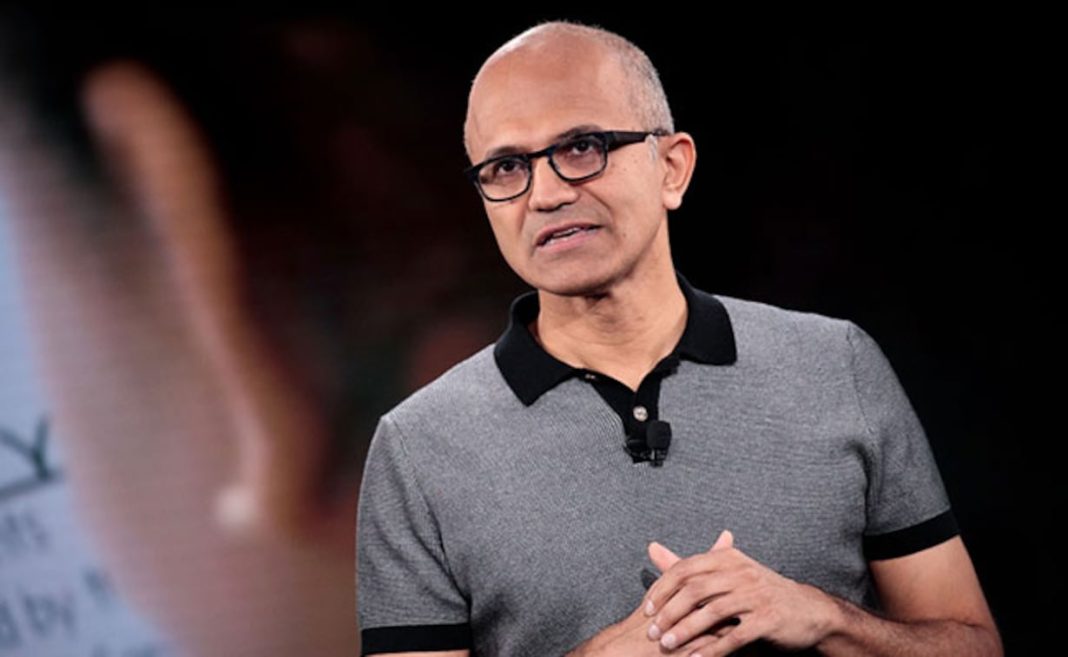

In a thought-provoking interview with Bloomberg, Satya Nadella, a major investor and close partner of OpenAI, voiced his concerns over the increasing tendency to attribute human-like qualities to artificial intelligence. “I don’t like anthropomorphizing AI. I sort of believe it’s a tool,” Nadella stated emphatically, underscoring the need to view AI as a functional asset rather than a human equivalent.
Distinguishing AI from Human Intelligence as per Nadella
Nadella’s remarks highlight a crucial distinction between artificial and human intelligence. While AI exhibits remarkable capabilities, its form of intelligence is fundamentally different from human cognition and should be recognized as such. To reflect this distinction, Nadella proposed renaming “artificial intelligence” to “different intelligence,” a term he believes better captures its unique nature.
Despite the strong partnership between Microsoft and OpenAI, Nadella’s comments suggest an undercurrent of debate among the teams of machine learning scientists and engineers at both companies. These debates are particularly pertinent as sophisticated voice assistants, such as those featuring Scarlett Johansson’s voice, become increasingly prevalent. Such advancements raise significant ethical questions about consent and privacy.
The Risks of Humanizing AI
The humanization of AI is a growing phenomenon as technology progresses. For example, Google engineer Blake Lemoine faced significant repercussions after claiming that Google’s AI tool, LaMDA, exhibited sentience. Similarly, incidents like the infamous Tay chatbot, which developed racist tendencies on Twitter (now X) in 2016, underscore the dangers of treating AI as if it possesses human traits under normal circumstances.
Humanizing AI can lead to a host of issues, including unrealistic expectations of what these systems can achieve and the potential for emotional manipulation. As AI systems become more advanced and integrated into daily life, the boundary between human and machine can blur, leading to ethical dilemmas about their roles and capabilities.
Emotional Connections with AI
Nadella’s insistence on viewing AI as a tool contrasts with the prevailing trend of humanizing AI. This trend is evident as people increasingly form emotional connections with AI, whether for companionship or envisioning future AI relationships. The ethical implications of such connections are profound, raising concerns about the potential for misuse and unrealistic expectations of AI capabilities.
For instance, AI companionship can fill gaps in social interaction for some, but it also poses risks of dependency and emotional manipulation. Moreover, the idea of AI relationships evolving into something akin to human relationships challenges our understanding of intimacy and consent.
Artificial General Intelligence: A Theoretical Yet Pressing Concern
The debate surrounding Artificial General Intelligence (AGI) adds another layer of complexity to the discussion. While AGI remains a theoretical concept, the immediate focus must be on addressing ethical considerations and ensuring responsible AI development. Humanizing AI should not overshadow the critical evaluation of its impact on society, particularly regarding its role in replacing human labor across various sectors.
The potential for AGI to surpass human intelligence in various domains brings forth questions about control, ethical usage, and the societal changes it could trigger. While we are not there yet, preparing for such possibilities is crucial to ensure that AI benefits humanity as a whole.
Voice Assistants and Ethical Implications
The case of advanced voice assistants, like the one involving Scarlett Johansson’s voice, exemplifies the multifaceted issues at play. These AI systems raise questions about consent—should the voices used be given explicit permission for such uses? Additionally, the potential for these technologies to replace human workers, from customer service representatives to warehouse laborers, necessitates a careful examination of their societal impact.
The replication of a celebrity’s voice without consent brings up privacy and intellectual property issues. Moreover, the displacement of human jobs by AI-driven automation highlights the need for policies and frameworks to support affected workers.
Conclusion
In conclusion, Nadella’s critique serves as a timely reminder of the importance of maintaining a clear boundary between artificial and human intelligence. As AI continues to evolve, it is essential to prioritize ethical considerations and responsible development practices. By doing so, we can harness the potential of AI as a tool to augment human capabilities without falling into the trap of anthropomorphization, which can lead to unrealistic expectations and ethical pitfalls.
The path forward involves a balanced approach that recognizes the power and limitations of AI, ensuring its development and deployment enhance human life without compromising ethical standards or societal values.