
South Korea Accuses Russia of Illegal Arms Deals
At the 79th session of the United Nations General Assembly, South Korea made a significant move. The country raised serious concerns about Russia’s arms dealings with North Korea. The South Korean Foreign Minister stated that Russia is engaged in illegal arms trade. This trade involves exchanging weapons for military and economic assistance. These accusations highlight the growing tension in the region. This accusation has brought to light troubling developments that threaten the peace and stability of the Korean peninsula.
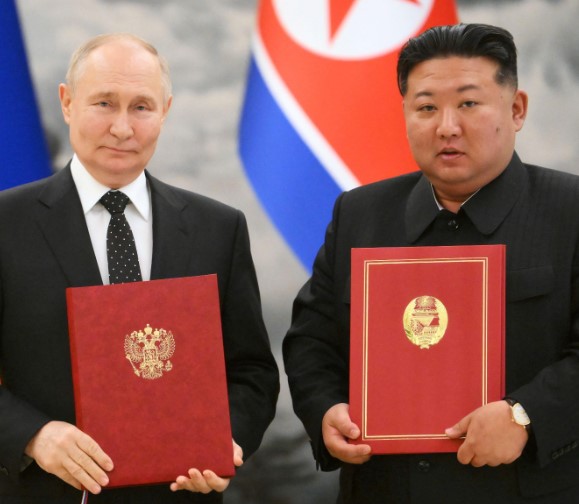
Rumor has claimed that North Korea has been giving Russia missiles and ammo. North Korea is getting vital military and economic help in exchange. This activity violates United Nations sanctions that strictly prohibit trading weapons with North Korea, especially materials that could aid its nuclear weapons program.
The ongoing development of nuclear weapons by North Korea continues to pose a threat not just to South Korea but also to the international community. These arms deals with Russia add another layer of danger to an already tense situation, as they enable North Korea to further advance its weapons programs while getting much-needed resources in return.
Russia’s Role in Violating UN Sanctions
The fact that Russia, a permanent member of the UN Security Council, is involved in these illegal trades is particularly alarming. The UN Security Council has been central in imposing sanctions on North Korea since 2006 in an effort to curb its nuclear ambitions. However, Russia’s recent actions seem to contradict its role in maintaining global peace. This involvement has been described as “regrettable” by South Korea, as Russia was one of the founding members of the international non-proliferation regime.
What makes this situation more concerning is the mounting evidence of frequent military cooperation between Russia and North Korea. According to data provided by a global security non-profit organization, large amounts of explosives have been shipped from Russia to various locations, including some near Ukraine. This indicates a growing alliance between Russia and North Korea, one that could lead to further destabilization in the region.
Despite the sanctions in place, North Korea continues to find ways to advance its military technology. Earlier this month, the country revealed images of its uranium enrichment facility for the first time, showcasing its nuclear capabilities and willingness to continue its weapons development, despite international efforts to stop it.
North Korea’s Internal Struggles, Arms Trade, and Global Impact
The situation in North Korea is dire, as its government continues to divert resources meant for its citizens toward its weapons programs. This has led to widespread human rights abuses, where the regime suppresses its own people and ignores the dire need for food and basic necessities. South Korea pointed out that North Korea’s nuclear ambitions and its violation of human rights go hand in hand.
In response to this growing threat, South Korea has developed a vision for a unified and peaceful Korea. Called the August 15 Unification Doctrine, this plan aims to address the North Korean crisis by focusing on human rights improvements and humanitarian aid. The proposal also highlights how crucial international cooperation and communication are to fortifying solidarity on the Korean Peninsula.
The arms trade between North Korea and Russia raises serious questions about current sanctions. It also challenges the global community’s ability to enforce these measures. As North Korea develops weapons of mass destruction, the situation becomes more concerning. These trades provide North Korea with vital financial support. Additionally, they supply the military resources needed to continue its dangerous programs.
The international community, including the United Nations, has made efforts to stop North Korea’s weapons development by imposing a series of sanctions over the years. Nine resolutions have been approved by the UN Security Council since 2006 with the goal of limiting North Korea’s capacity to manufacture and export weapons. These sanctions have had a significant impact on the country’s economy, limiting its trade and access to global markets. However, with Russia now acting as a key player in helping North Korea bypass these restrictions, the situation has become more complicated.
North Korea’s Defiance and Growing Tensions with Russia
Notwithstanding continuous endeavors to constrain North Korea’s nuclear aspirations, the nation maintains its defiance. Its recent open demonstration of its enrichment facilities for uranium makes it abundantly evident that Iran has no intention of stopping its weapons development. This makes the situation difficult for regional security and peace, both on the Korean peninsula and beyond.
Recent accusations highlight growing military cooperation between Russia and North Korea. The global community faces a challenging task in addressing these violations. Efforts to prevent further escalation are becoming increasingly urgent. The arms trade between these two countries threatens the fragile peace in the region. Additionally, it undermines international efforts to stop the spread of nuclear weapons.
The situation remains tense, but South Korea is calling for international cooperation. Its vision for a unified and peaceful Korea offers a glimpse of hope. Despite this, the road ahead will be filled with challenges. Russia and North Korea’s actions continue to undermine peace efforts. Their growing alliance threatens stability on the Korean peninsula and beyond.