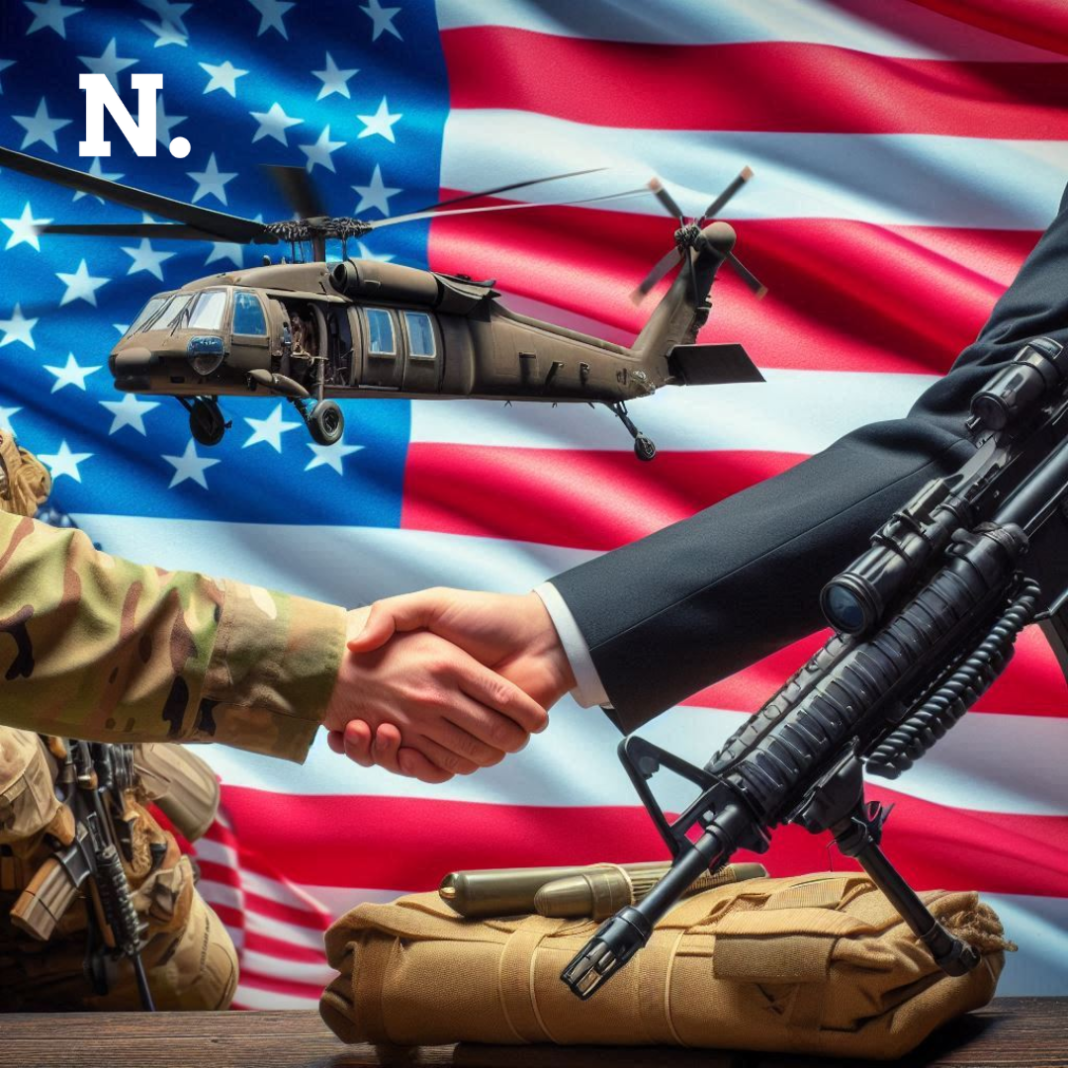

The United States is set to unveil a new military aid package for Ukraine, estimated at up to $150 million. This announcement is expected as soon as Tuesday, according to two U.S. officials who spoke with VOA. The aid package is being provided under the presidential drawdown authority (PDA), which allows the transfer of weapons, ammunition, and equipment from U.S. military stockpiles to meet Ukraine’s immediate needs.
Details of the Aid Package given to Ukraine
One official, speaking on condition of anonymity, revealed that the latest round of aid would include munitions for the High Mobility Artillery Rocket Systems (HIMARS) and other critical munitions. However, the official clarified that the package does not include cluster munitions. When asked about the inclusion of long-range missiles, the official cited operational security reasons. No further details were provided. Army Tactical Missile Systems (ATACMS) have a range of up to 300 kilometers. This is about 185 miles. ATACMS nearly double the striking distance of Ukraine’s existing missiles.
Previous and Ongoing Support to Ukraine
When questioned by VOA on June 12 regarding the provision of more ATACMS since mid-March, Chairman of the Joint Chiefs of Staff General C.Q. Brown stated that the U.S. continues to work through the ATACMS piece and provides that capability through PDAs. This statement highlights the ongoing efforts to equip Ukraine with advanced weaponry to enhance its defense capabilities.
Accusations and Diplomatic Tensions
In the most recent lethal attacks within Crimea, which Russia unlawfully annexed in 2014, and in Russia’s Belgorod area, which borders Ukraine, Russia has accused Ukraine of deploying some of the ATACMS supplied by the United States. Russia called the US ambassador to Moscow on Monday to express disapproval of the missile usage in response to these charges. This diplomatic action highlights the increased tensions that exist between the two countries as a result of the continuing war.
Funding and Legislative Support to Ukraine
The $61 billion in money for Ukraine that President Joe Biden signed into law in April will be used to cover Kyiv’s aid package this week. The United States’ commitment to aiding Ukraine in its struggle against Russian aggression is reflected in this significant financing package. The PDA makes it possible to allocate resources quickly and adaptably to meet pressing demands locally.
Background of the Presidential Drawdown Authority
One essential instrument that helps the U.S. administration to promptly send military assistance to partners and allies is the presidential drawdown authority (PDA). With this power, the President can approve the Department of Defense’s transfer of defense goods and services to other nations without first obtaining Congressional permission. This system, which enables quick reactions to new dangers, is especially crucial during emergencies.
Strategic Importance of HIMARS and ATACMS
The inclusion of munitions for HIMARS and potentially ATACMS in the aid package is significant. HIMARS systems have already proven their effectiveness on the battlefield, providing Ukraine with a powerful tool to counter Russian forces. The addition of ATACMS would further enhance Ukraine’s strike capabilities, enabling it to target critical infrastructure and military assets deep within enemy territory.
Ongoing Military Assistance to Ukraine
The U.S. has consistently provided military assistance to Ukraine since the onset of the conflict with Russia. This support includes a wide range of weapons, ammunition, and equipment designed to bolster Ukraine’s defensive capabilities. The latest aid package is part of a broader strategy to ensure that Ukraine can effectively counter Russian aggression and defend its sovereignty.
Diplomatic Repercussions
The use of U.S.-provided ATACMS in recent strikes within Crimea and Russia’s Belgorod region has intensified diplomatic tensions between the U.S. and Russia. Moscow’s decision to summon the U.S. ambassador highlights the serious implications of these developments. The U.S. maintains that its support for Ukraine is necessary to uphold international law and deter further aggression.
Legislative and Public Support
The substantial funding and continued military aid to Ukraine have garnered significant support within the U.S. government. Lawmakers from both parties have emphasized the importance of assisting Ukraine in its struggle against Russian aggression. This bipartisan support reflects a broader consensus on the need to uphold international norms and support allies facing existential threats.
Future Prospects and Challenges
As the conflict in Ukraine continues, the U.S. is likely to maintain its support through additional aid packages and diplomatic efforts. The challenges ahead include managing the complex dynamics of international diplomacy, ensuring effective use of provided resources, and addressing any potential escalations. The ongoing conflict underscores the importance of strategic planning and robust support for Ukraine’s defense efforts.
Conclusion
The anticipated release of a $150 million military aid package for Ukraine demonstrates the United States’ resolve. The U.S. stands by its friend in the face of persistent Russian aggression. The presidential drawdown authority allows the U.S. to supply advanced weapons and technology. This aims to strengthen Ukraine’s defenses and protect its sovereignty. The international world is closely monitoring the situation as tensions increase. They understand the serious potential impact on both regional and international security.