


A New Rule, A Big Problem
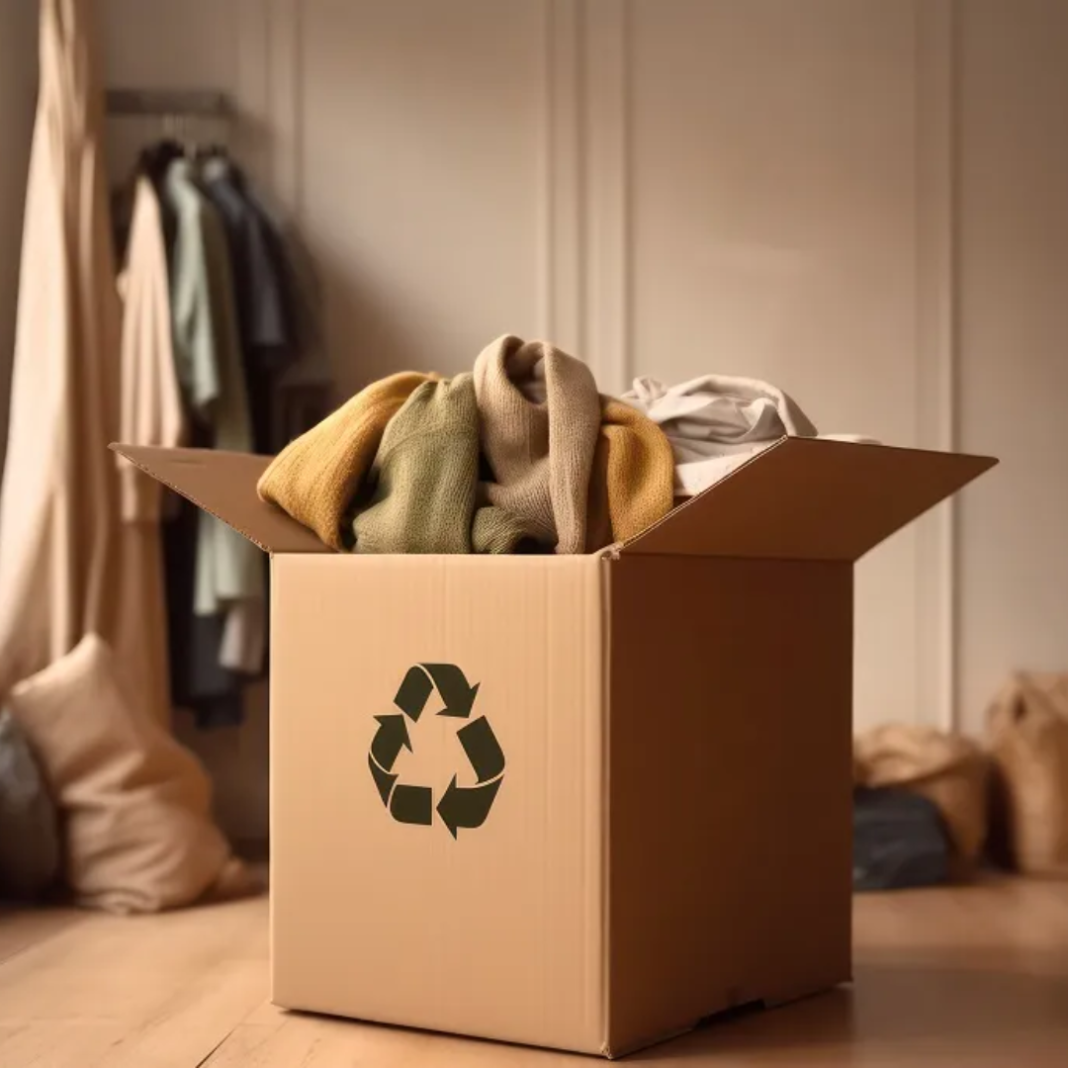
This year, a big change happened in Europe. A new rule says that people in every EU country can no longer throw away old clothes like regular trash. Instead, these clothes must be sorted and either reused or recycled. The rule is meant to help the environment and reduce waste. Just like we already do with glass, paper, and food waste, clothes now need their own recycling system. In Sweden, this has caused major problems.
The goal is simple: don’t waste clothes. If they’re damaged, they should be turned into something useful, like padding or insulation. This idea is called “circular waste management,” which means we keep using materials instead of throwing them away.
In Sweden, about 60 to 70 percent of old clothes are being reused. Around 20 to 30 percent are being recycled. And only a small part—about 7 to 10 percent—is burned to make energy. This is much better than before, when most old clothes were simply burned right away.
But even though the rule is good for the planet, it has caused a huge problem in Sweden. The country doesn’t have enough places or workers to handle all the extra clothes. Now, recycling centers are full, and local communities are struggling.
Overflowing Warehouses and Tired Towns
In Sweden, local towns and cities are in charge of sorting out the used clothes. But ever since the new rule started, they’ve been getting more clothes than they can manage. Some towns are drowning in piles of fabric. Others don’t know where to send the clothes once they’ve been sorted.
Some of the clothes are still ending up in other countries. A lot of them go to Lithuania, where they are sorted, reused, or sometimes burned to create heat. But this is not a long-term solution.
In the northern part of Sweden, where there aren’t many people, things are even worse. There are no buyers for the used clothes, and because there’s no good system in place, some areas have gone back to burning the textiles, even though that’s not what the rule wants.
How Cyber Attacks on Industrial Control Systems Can Endanger Lives ?
According to Sweden’s environmental agency, Swedes throw away about 90,000 tonnes of clothes every year. That’s about 10 kilograms of clothes for every person. And in the whole EU, the average amount of clothes thrown away per person went up from 17 kilograms in 2019 to 19 kilograms in 2022. People are buying and tossing more clothes than ever before.
The sudden flood of clothing has left many communities feeling overwhelmed. Warehouses are packed. Workers are overworked. And there’s no quick fix in sight.
Time for Big Brands to Step Up
Many people believe that big clothing companies are part of the problem. Stores that sell cheap, trendy clothes—like H&M and Zara—encourage shoppers to buy more than they need. This is called “fast fashion.” It creates a lot of waste, and now that there’s a rule to deal with that waste, these companies are under pressure to help.
Talks are happening in Europe about making these fashion companies responsible for what happens to the clothes they sell. That means they would have to help pay for collecting, sorting, and recycling the clothes after people are done with them. A draft agreement between EU countries has already suggested this plan.
Critical Vulnerabilities: The Dark Side of Pacemaker Technology
If this happens, clothing brands won’t be able to ignore what happens to their products after they leave the store. They will have to think about the whole life of the clothing—from the day it’s sold to the day it’s recycled.
For now, Sweden is stuck with a mountain of old clothes and a system that can’t keep up. Towns are doing their best, but the problem is bigger than many of them can handle. The law was made to help the environment, but it has also shown how unprepared many places are to deal with textile waste.