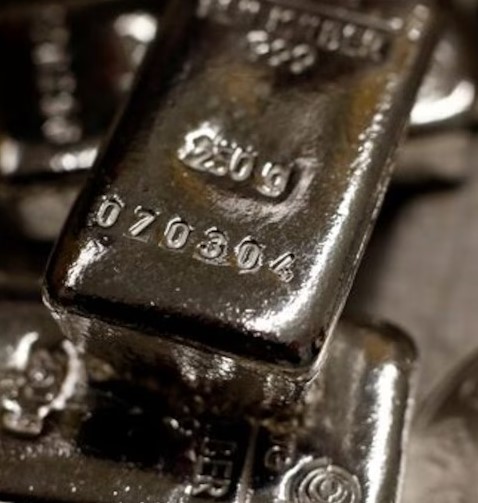

India and the United Arab Emirates (UAE) are currently addressing a significant trade issue under their Comprehensive Economic Partnership Agreement (CEPA). The dramatic rise in imports of certain goods from the UAE has alarmed India. These goods include dried dates, silver, and platinum alloy. Indian officials raised these concerns during a meeting on 14 October in the UAE. This meeting was part of the second gathering of the Joint Committee under the CEPA framework. The issue has become a key focus for both nations. They aim to ensure that trade remains fair. Both countries want to adhere to the agreed rules.
Concerns Over a Surge in Imports
The primary problem facing India is the abrupt increase in imports of dried dates, silver, and platinum alloy from the United Arab Emirates. The Indian government is questioning whether these imports comply with the rules of origin norms. These rules determine where a product is made and help prevent non-participating countries from benefiting from the trade agreement. The rules of origin play a vital role in ensuring that the countries involved trade products that originate within their borders. They also help ensure that products are not sourced from outside the region, which could undermine the agreement’s intent.
India has urged the UAE to thoroughly check whether these goods are genuinely produced in the UAE or if other parties are bypassing the origin rules. Indian officials are concerned that other parties might exploit the trade deal, which aims to benefit both nations, by using the UAE as a transit point. Such violations could create an unfair advantage in trade, hurting domestic industries in India.
In response to India’s concerns, the UAE has agreed to investigate the issue and ensure that there is no circumvention of the rules. This step is critical for maintaining trust and transparency in the trade relationship between the two countries. It shows that both nations are committed to upholding the rules that govern their trade agreement.
India-UAE Economic Partnership Agreement: CEPA
The Comprehensive Economic Partnership Agreement (CEPA) between the United Arab Emirates and India was signed in February 2022 and became operative in May of the same year. This agreement was a significant milestone in the trade relations between the two nations. Its purpose was to boost trade and investment flows by reducing tariffs and removing trade barriers, fostering deeper economic cooperation.
Since the implementation of CEPA, the trade relationship between India and the UAE has grown significantly. The UAE has emerged as India’s third-largest trading partner, and the total bilateral trade has soared from $59.5 billion in 2013-2014 to $83.6 billion in 2023-2024. These numbers highlight the importance of the partnership for both countries and the mutual benefits that come with such agreements.
However, as with any major trade deal, challenges have emerged. The recent surge in imports of specific products like silver, platinum alloy, and dry dates presents a challenge. Both countries need to address this issue to ensure the long-term success of their partnership. They have made it clear that they are willing to work together. Resolving these issues is essential for maintaining the integrity of the agreement. Cooperation will strengthen their economic relationship.
Aiming for $100 Billion in Non-Oil Trade
Both India and the UAE have reaffirmed their common objective of reaching $100 billion in non-oil trade by 2030, in addition to addressing the worries surrounding the import spike. This ambitious target underscores the importance of their economic partnership and the desire to deepen trade relations beyond oil and energy products.
Manufacturing, agriculture, and services are just a few of the many industries that make up non-oil commerce. India and the UAE are looking to strengthen their economies by diversifying their trade relationship. They aim to create new opportunities for businesses in both countries. Achieving this target will require continued cooperation. It will also involve addressing challenges raised during the recent meeting. Both nations must ensure they adhere to the agreed-upon rules.
The CEPA between India and the UAE has proven to be a valuable framework. It fosters economic growth and collaboration. However, issues have arisen, such as the recent rise in imports of silver, platinum alloy, and dry dates. These issues highlight the need for ongoing dialogue. Continued cooperation is essential to ensure that the partnership remains mutually beneficial.
The concerns raised by India over the sudden increase in imports from the UAE demonstrate the importance of maintaining fairness in international trade agreements. The UAE’s willingness to examine the issue shows a commitment to transparency and the rule of law. As both countries continue to work towards their goal of boosting non-oil trade to $100 billion, addressing these challenges will be key to ensuring the long-term success of their economic partnership.