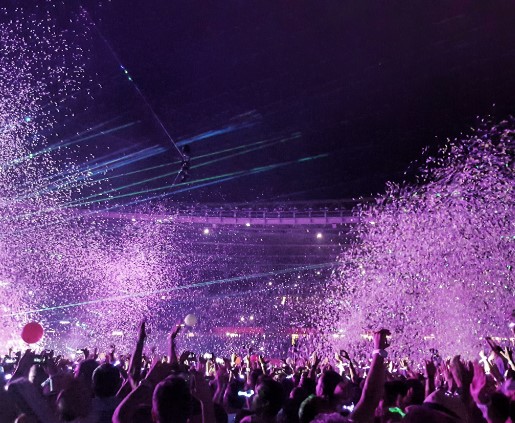

India’s live events industry is experiencing massive growth, drawing people from all over the country to concerts, festivals, and shows like never before. Whether it’s global acts like Coldplay or local stars like Diljit Dosanjh, the demand for live performances is soaring, with tickets selling out within minutes. But while the rise in these events is exciting for fans, it’s also revealing some serious challenges in terms of ticket availability, infrastructure, and safety.
The Rise of Live Events in India
The live events industry in India is on the rise, and the numbers speak for themselves. In 2023 alone, India hosted 26,359 live events, from concerts to food festivals, according to industry data. The total ticket revenue market for events like cinema, sports, and music stands at ₹15,347 crore (about $1.8 billion), with music events showing rapid growth. Between 2017 and 2024, the music event sector grew by 20% annually, reaching a value of ₹1,864 crore ($223 million) by 2024.
People’s desire to experience things in real life after being stuck at home during the pandemic is driving this growth. Live events offer a chance to connect with others and create lasting memories. This is why fans are willing to spend large amounts of money on tickets. For example, ticket prices for Diljit Dosanjh’s “Dil-Luminati” concert range from ₹2,500 to ₹20,000. Despite the high prices, tickets sell out within minutes. In some cases, people have paid up to 26 times the original price on the black market. This includes major concerts like Coldplay’s upcoming show.
The hunger for live entertainment is not limited to big cities like Mumbai and Delhi. Smaller cities like Lucknow, Bhubaneswar, and Nagpur have also seen a significant rise in event attendance, with a 225% increase in ticket sales in 2023 alone. More than 4 lakh people even traveled from their home cities to attend events in other locations, showing just how eager people are to participate.
Diverse Events and Organisers Adapting
It’s not just big music concerts that are attracting crowds. People in India are also showing interest in a wide variety of events, from stand-up comedy to storytelling performances. Many artists are expanding their tours beyond just the metro cities. For example, a famous comedian recently completed a tour that took him to 22 different cities. Plays, storytelling sessions, and even food and music carnivals are also growing in popularity.
Businesses have noticed this trend and are finding ways to tap into the growing market. Established players like BookMyShow are offering a wider variety of events, and new companies are coming up with unique concepts to draw in crowds. Big names in the corporate world are also getting involved, seeing live events as a way to connect with customers. Companies like Zomato and Nykaa have launched their own festivals, blending entertainment with their brands to create memorable experiences. Levi’s India even set up a tailor shop at a music festival, offering custom designs by Indian artists.
In addition to businesses, sponsors and brands are also jumping on board. Major corporations like Mahindra, Bacardi, and Tata are heavily involved in sponsoring events. These companies see live events as a way to reach a large audience and strengthen their brand loyalty.
The Economic Impact and Challenges
Live events don’t just provide entertainment—they also have a significant impact on local economies. Big events like concerts or festivals boost business for local hotels, restaurants, and transportation services when they are held in a city. For example, the Hornbill Festival in Nagaland generated ₹100 crore from tourists in 2019, even though the state government only spent ₹11 crore on organizing the event. This shows how live events can offer a high return on investment for the host city.
However, the rapid growth of the live events industry has also revealed some challenges. One of the biggest issues is the difficulty in getting tickets. As mentioned earlier, Coldplay concert tickets were sold out in minutes, and some were resold at outrageous prices on the black market. In some cases, it was even cheaper to travel to Abu Dhabi to see Coldplay perform than to buy a ticket in India!
Challenges of Managing India’s Live Events Boom
Another major issue is infrastructure. Many venues are not equipped to handle the large crowds these events attract. Long lines, insufficient parking, and lack of proper facilities are common complaints from event attendees. In addition, managing large crowds safely is becoming a bigger concern. With so many people attending live events, ensuring their safety is a top priority, as any incident could lead to canceled events, damaging the industry’s growth.
The live events industry in India is undoubtedly thriving. It is contributing to both the economy and the social fabric of the country. However, as the industry expands, addressing its challenges is crucial. This will help ensure that fans, organizers, and cities alike can benefit from the booming sector.