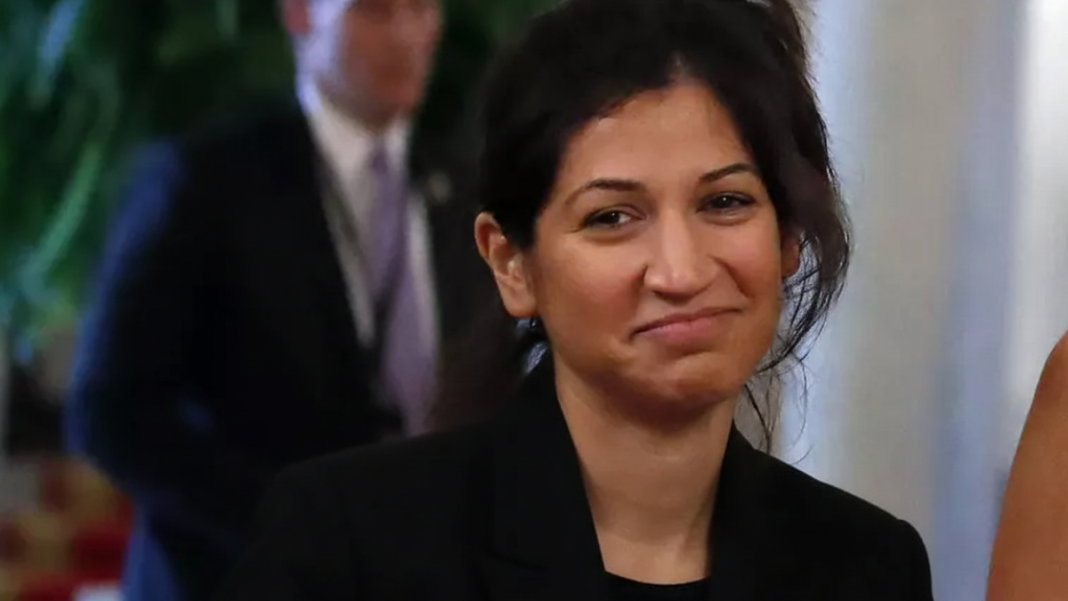

Katie Miller, the wife of former White House official Stephen Miller, has a surprising chapter in her past that is now coming to light. Before stepping into the political spotlight, she appeared as a teenager on MTV’s 2008 reality series, The Paper. The show followed students at a South Florida high school working for a student newspaper, capturing the ups and downs of teenage life, deadlines, social events, and college applications.
Katie, then known by her maiden name, Waldman, joined the paper as a photo editor. She never became a main cast member, but footage shows her interacting with other students while wearing her signature wire headphones. Classmates remembered her as ambitious and competitive, but also somewhat distant. One former peer, Emmi Weiner, who served as the entertainment editor at The Circuit, described her as someone “always trying to stand out” but never fully connecting with the rest of the group.
High School Ambition and Personality
Former classmates recall Katie as outspoken, assertive, and determined to get what she wanted. During high school, she sometimes clashed with teachers over classroom discussions. One notable incident occurred in an English class taught by Simone Waite, covering African American history, where she reportedly challenged the lesson and found it frustrating. The disagreement escalated to the point where her father was involved, and arrangements were made for her to leave the class.
‘Plenary authority’ claim ignites firestorm — Stephen Miller suggests Trump can act without limits
Peers described her as someone who would do whatever it took to succeed. She closely observed her surroundings and the competition around her, which likely strengthened her determination and ambition. These traits, classmates say, may explain her later confidence and presence in professional settings, including her work in the White House.
Katie’s ambition continued into college at the University of Florida, where she became active in student government. Some former students recall her acting as a “henchman” in leadership roles, working tirelessly to support her team and assert influence. Jason Van Brusselen, a former cameraman for MTV’s The Paper, noted that she maintained a strong presence in any environment she was part of. These early experiences in competitive settings helped shape a personality that was strong-willed, confident, and always ready to take on challenges—a pattern that followed her into adulthood.
From White House to Podcasting
After her time in the White House, Katie Miller launched her own podcast, framing it as a conservative lifestyle and commentary platform. She has hosted high-profile guests including JD Vance, former Vice President; Pam Bondi, former U.S. Attorney General; Pete Hegseth, U.S. Secretary of Defense; and Elon Musk, the entrepreneur. She has also interviewed Dr. Kelly Ann, a health expert. Her interviews often blend casual questions—about ice cream preferences, favorite songs, or which official a guest would trust to babysit children—with more serious political discussions.
While episodes featuring well-known guests like Musk or Vance draw hundreds of thousands of views, most installments attract smaller audiences. Some episodes average fewer than 3,000 listeners, highlighting the challenges of maintaining a consistent audience in the crowded podcast space. Her style reflects a combination of her reality TV roots and political experience, focusing more on personality-driven interviews than investigative reporting.
JD Vance says ‘dumbest candidate’ could win Democrats’ 2028 nomination in blunt TV jab
Katie has also shared insights into her husband Stephen Miller’s media habits, revealing a massive collection of DVDs and CDs documenting every TV and radio appearance he has ever made. This shared fascination with media appearances and public visibility shows a continued interest in storytelling and presentation—traits visible since her teen reality TV days.
Personal Life and Media Spotlight
Katie and Stephen Miller reportedly met while working on government projects, including border security. They are expecting their fourth child, and Katie continues to balance family life with podcasting. Former classmates note that her competitive and outspoken personality remains a defining trait, whether in interviews, public appearances, or media projects.
Trump says Epstein letter is fake, White House supports forensic handwriting test
Her teenage appearance on The Paper offers a unique perspective on her journey. From a student navigating reality television to a White House aide and podcaster, Katie’s story spans entertainment, politics, and media. Other figures with similar backgrounds, like Sean Duffy, also transitioned from reality TV to political careers, highlighting how early exposure to media can shape public trajectories.
Katie Miller’s past demonstrates that her ambition and desire for visibility have been consistent traits. Whether negotiating high school social dynamics, leading in college, or hosting influential guests, she has continuously sought opportunities to be in the spotlight and make her voice heard.