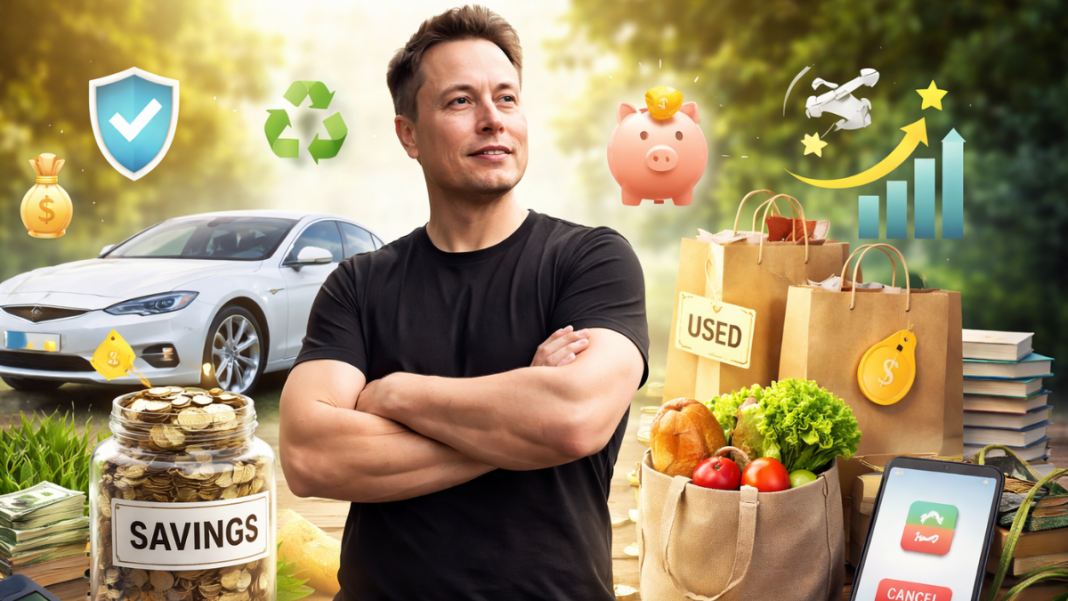

In a world where spending is often seen as a symbol of success, a different approach is quietly gaining attention—one that focuses on saving smartly and living with purpose. Many people struggle with rising expenses, hidden costs, and financial stress. However, a disciplined and practical method of handling money can change everything. By following the principles associated with Elon Musk, individuals can learn how to cut unnecessary costs and build stronger financial habits. This approach is not about sacrifice; instead, it is about making smarter choices every day to create long-term stability and growth.
A Simple Mindset That Turns Money into Growth
When people think about billionaires, they often imagine luxury cars and huge mansions. However, Elon Musk follows a very different path. His approach to money is simple, practical, and focused on long-term growth rather than short-term pleasure.
Elon Musk’s financial thinking is based on “first principles.” This means breaking decisions into basics and asking a simple question: Do I really need this? Instead of spending freely, Elon Musk focuses on value. As a result, every rupee or dollar has a purpose.
This mindset helps reduce waste and increase focus. With fewer distractions, more energy goes into productive work. That is why his habits reflect his business approach. Whether leading companies like Tesla or SpaceX, the goal remains the same—maximize output and minimize unnecessary cost.
Moreover, Elon Musk’s philosophy is not limited to billionaires. Anyone can apply it. By questioning every expense and focusing on value, even small savings can grow over time. This approach turns everyday decisions into long-term financial strength.
Cutting Costs Smartly: Debt, Spending, and Daily Habits
One of the strongest ideas in Elon Musk’s strategy is avoiding unnecessary debt. While some borrowing can be useful, high-interest debt like credit cards can quickly become a burden. Small purchases can grow into large payments due to compounding interest. Therefore, Elon Musk emphasizes clearing dues on time.
Instead of relying on borrowed money, disciplined budgeting plays a key role. Tracking expenses helps people understand where their money goes. Once this becomes clear, it is easier to cut waste and stay within limits. This reduces stress and improves financial stability.
Another important habit is buying used goods. Elon Musk supports this idea because new items lose value quickly, especially cars. By choosing second-hand products, buyers avoid rapid depreciation while still enjoying quality at a lower cost.
What the law says about revoking Elon Musk’s naturalized US citizenship
Buying used also supports sustainability. It reduces demand for new production and lowers waste. This aligns with Elon Musk’s practical approach to consumption, where efficiency matters more than appearance.
Food habits also play a big role. Simple meals and reduced food waste can lead to steady savings. Instead of spending heavily on dining out, focusing on basic and nutritious food keeps costs low and improves overall health.
Subscriptions are another hidden expense. Many people forget about small monthly payments that slowly add up. Elon Musk’s approach encourages regular checks of bank statements. By canceling unused services, money can be redirected toward savings or investments.
These small changes may seem simple. However, together they reflect Elon Musk’s disciplined financial habits. Each decision reduces waste and increases control over money.
Work Ethic and Investing: Turning Savings into Wealth
Saving money is only one part of the strategy. The next step is making that money grow. This is where Elon Musk’s work ethic and investing mindset become important.
Elon Musk is known for his strong dedication to work. Long hours and focused effort create more opportunities to earn and grow. However, it is not just about working more. It is about working with purpose and efficiency.
At the same time, Elon Musk believes saving alone is not enough. Money should be invested wisely. Instead of spending on luxury, savings can be directed into high-growth opportunities such as stocks or business ventures.
Elon Musk ignites nationwide debate after questioning pride flags in schools
The combination of discipline and investing creates a powerful cycle. Income grows through effort, savings build through smart choices, and investments multiply those savings over time. This is a key part of Elon Musk’s financial philosophy.
However, balance remains important. While hard work drives success, overworking can lead to burnout. Maintaining energy and health is essential for long-term growth.
The “first principles” mindset also applies to investing. Instead of following trends, decisions should be based on logic and value. This reduces risk and improves outcomes.
Compared to many wealthy individuals, this method stands out. While others may focus on luxury, Elon Musk focuses on efficiency and growth. This approach avoids unnecessary spending and prioritizes long-term gains.
This consistent pattern—saving smartly, spending wisely, and investing with discipline—reflects a practical system that supports financial independence and stability over time.