

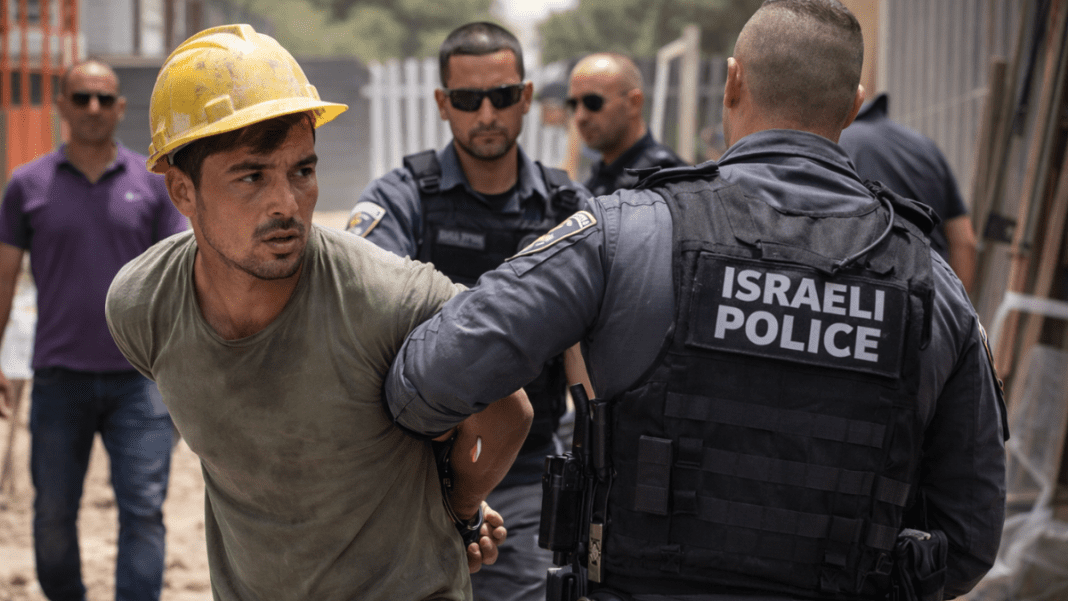

A construction worker from Uzbekistan found himself at the center of a major controversy in Israel after a short missile alert video he recorded during a missile alert spread rapidly online. The incident took place on the day tensions escalated into open conflict involving Iran, making the atmosphere across the region highly tense and sensitive.
What may have seemed like a casual comment in a personal video quickly turned into a serious legal matter. The situation drew attention from the public, law enforcement authorities, and even officials from the worker’s home country, highlighting how words spoken during emergencies can have unexpected consequences.
Video During Siren Sparks Backlash
According to a report by Haaretz, the worker filmed a video while a missile siren was sounding in the background. Speaking in Tajik, he asked viewers whether they could hear the alert. He then added that “everyone is running away like rats” and mentioned that the streets were empty.
The video was uploaded to TikTok and soon began circulating widely. Many viewers found the remark offensive, especially because it was made at a time when people were rushing to shelters to protect themselves from possible missile strikes.
An Israeli citizen, Avi Chen, came across the video and decided to take action. He filed a formal complaint with the police, stating that the comment was inappropriate and disrespectful during an emergency situation.
Chen also recorded and shared footage of the arrest. In the video, he is seen accompanying police officers and helping translate between the worker and an officer, as the worker did not speak the same language. The footage shows the tense nature of the arrest and was widely shared on social media platforms, further increasing attention on the case.
The video and its aftermath sparked debate online, with some people supporting the arrest while others questioned whether the reaction was too harsh.
Police Action and Legal Grounds
Following the complaint, Israeli police moved quickly and arrested the worker. Authorities clarified that the arrest was made on suspicion of disturbing public order, rather than incitement.
This distinction is important because incitement cases in Israel require approval from the State Attorney’s Office before an investigation can proceed. In this case, police chose a different legal route, focusing on the potential impact of the missile alert video on public peace and safety.
Missile interceptions over Dubai unsettle the city’s long-promoted image of safety
Officials believed that the worker’s comment, made during an active missile alert, could have caused fear, anger, or emotional distress among people already dealing with a dangerous situation.
The arrest also came at a time when authorities were increasing vigilance over public behavior and online content. Israel’s National Security Minister, Itamar Ben Gvir, had been urging stricter enforcement against actions or statements seen as harmful during the conflict.
Reports also referred to directives linked to Prison Service chief Kobi Yaakobi, indicating tighter rules around expressions that could be interpreted as supportive of hostile forces. These broader measures formed the background against which the arrest took place.
The case reflects how authorities may respond quickly to content that could influence public mood during emergencies, especially when security concerns are high.
Embassy Intervention and Release
After the worker was taken into custody, the situation developed further with the involvement of Uzbekistan’s embassy. There were initial claims circulating that the worker might face deportation following the incident.
However, after reviewing the case, embassy officials stepped in and raised concerns about the legality of the detention. They described the arrest as unlawful and engaged with local authorities to address the matter.
Following this intervention, the worker was released from custody. He has been allowed to remain in Israel, and there has been no official confirmation of any deportation proceedings against him.
Wartime Treason: Israeli Citizen Indicted for Aiding Iran Agent Through Telegram
The embassy’s involvement played a key role in changing the course of the situation. It also highlighted the importance of diplomatic channels when foreign nationals face legal issues abroad.
The case continues to attract attention as authorities review the circumstances surrounding the missile alert video and the arrest. It stands as an example of how quickly social media content can escalate into legal action, particularly during times of conflict when emotions and security concerns are heightened.