
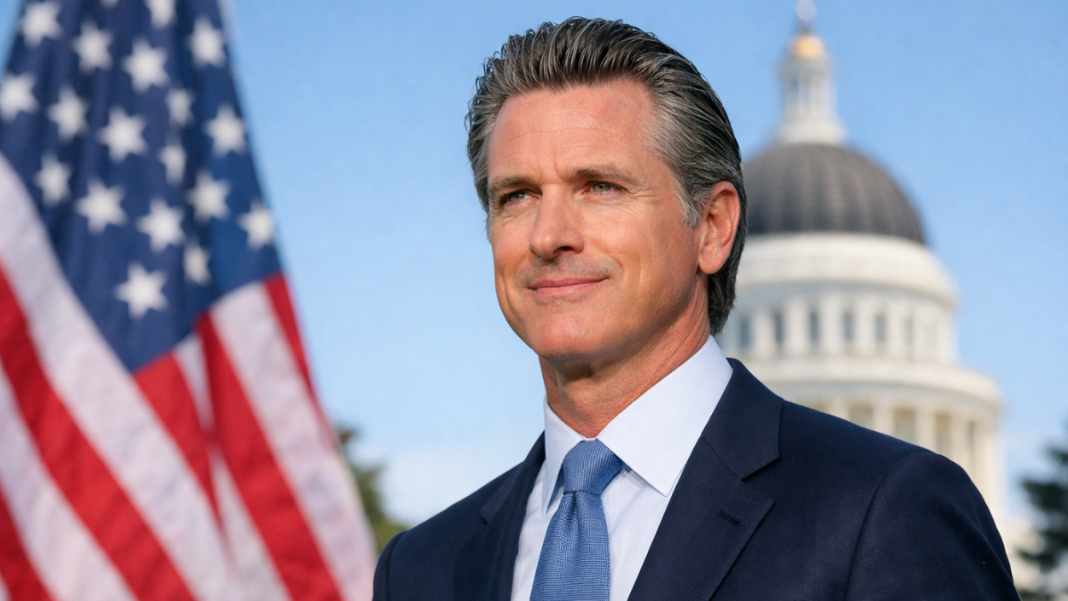

After years of budget swings and financial uncertainty, California’s public school system is entering a more stable budget period. Governor Gavin Newsom said the state is now able to provide schools with steadier and more predictable funding, easing pressure on families, teachers, and school administrators who have faced constant changes in recent years.
During his State of the State address, He previewed the 2026–27 budget and said it is stronger than earlier forecasts. He said the proposed budget includes a $248.3 billion general fund, reflecting a $42.5 billion increase over previous projections, separate from nearly $3 billion estimated in December. Under Proposition 98, about 40% of this funding is required to go to TK–12 schools and community colleges.
“I’m proud to submit a budget that has the most significant investments in California’s education history,” Newsom said while addressing lawmakers.
Strong Revenue Allows Shift Away From Emergency Budgeting
He acknowledged that California’s education budgets have been unstable for years. He explained that the state’s reliance on high-income taxpayers and stock market performance often causes funding levels to rise and fall quickly. When markets decline, schools feel the impact almost immediately.
Governor Newsom and 14 Governors Strengthen Vaccine Guidance to Address Child Health Risks
To manage recent shortfalls, the state relied on tools such as payment deferrals and accounting adjustments. Newsom said those measures helped balance budgets but created uncertainty for school districts that depend on consistent funding to operate.
According to Newsom, the current revenue picture allows the state to step away from those practices. He said stronger tax collections, boosted in part by rising incomes and investment tied to artificial intelligence and technology sectors, have improved revenue forecasts.
The proposed budget sets funding at $27,418 per TK–12 student. He said this level is designed to support everyday classroom needs, staffing, instructional materials, and school operations without disruptions.
He also highlighted early education as a continued priority. Transitional kindergarten, which recently completed its planned expansion to include all 4-year-olds statewide, remains fully funded. Newsom said the budget also supports smaller class sizes in early grades to give young students more individual attention.
Expanded Programs and Student Well-Being Remain Central
Newsom emphasized that school funding is not limited to classrooms alone. He said the budget continues strong support for after-school and summer learning programs, which extend the school day and provide child care for working families.
The state’s after-school programs were initially limited to schools serving the highest percentages of disadvantaged students. Over time, eligibility expanded, and California has now reached a point where every elementary school can offer these programs, a shift described as providing “after-school for all.” Continued investment in community schools was also emphasized. These schools offer wraparound services beyond academics, including meals, counseling, mental health care, and connections to health and housing support. California has already invested $4.1 billion to support nearly 2,500 campuses, with the proposed budget adding another $1 billion to further expand the program.
Student well-being in the digital age was also addressed, with attention drawn to efforts to limit cellphone use in public schools and questions raised about whether additional steps are needed. International examples were cited, along with concerns that excessive online engagement has contributed to higher levels of anxiety, isolation, and emotional challenges among young people. It was noted that children are becoming “more anxious, more addicted, less free, and less happy,” reflecting growing concern over the impact of digital life on students.
Governance Changes and Federal Policy Concerns
In addition to funding, He outlined a major change in how California’s education system is governed. He said control of the California Department of Education should shift from the elected State Superintendent of Public Instruction to the governor and the State Board of Education. Newsom described the move as an effort to modernize education management and improve coordination across programs.
“I think it’s time to modernize the management of our educational system,” he said.
Legal Storm Gathers Over White House Ballroom as Group Accuses Trump of Overreach
He criticized recent federal actions affecting families, including freezes on child care funding and Temporary Assistance for Needy Families programs. He said these steps create instability for parents and force difficult choices between work and child care, which can indirectly affect students and schools.
He also noted that the budget preview focuses mainly on TK–12 schools and community colleges. Unlike those systems, the University of California and California State University do not receive guaranteed funding and must compete with other state priorities such as health care, even as the overall education budget emphasizes stability and consistent funding.