


Brian Cole Jr., a man accused of placing pipe bombs near the Democratic National Committee and Republican National Committee buildings on the night before the Jan. 6 attack, has been arrested after a nearly five-year investigation. The bombs did not explode, but authorities say they were intended to cause serious damage. Cole, 30, from Woodbridge, Virginia, faces charges of transporting explosive materials across state lines and attempting to destroy a building with explosives.
Neighbours described Cole as reclusive and antisocial. They said he often walked his chihuahua late at night, sometimes as late as 2 a.m., and rarely spoke to anyone. One neighbour said he never made eye contact, always wore headphones, and only greeted people briefly. Authorities have not released information about his motive.
The case moved forward after investigators re-examined old evidence rather than relying on new tips. Officials said this careful review finally allowed them to identify and arrest Cole. The FBI and Justice Department have confirmed that the investigation has been handled thoroughly, but have not yet provided additional details.
Newsom Questions Legal Implications
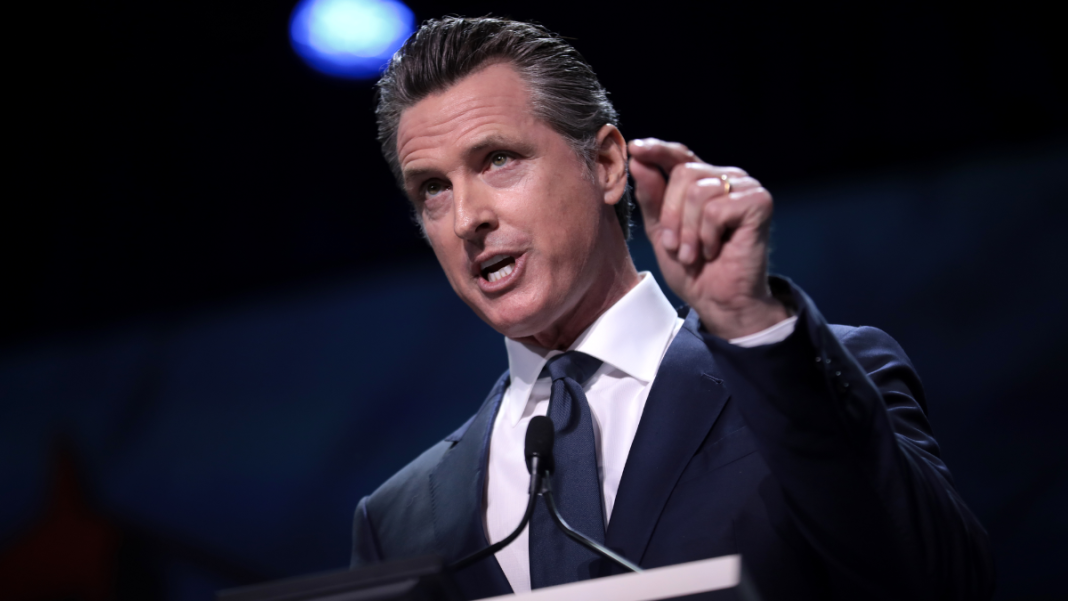
Gavin Newsom quickly raised an important question following the arrest. His concern is whether Cole might claim his prosecution is moot because of a broad executive order signed by Donald Trump earlier this year. On his first day back in office, Trump issued about 1,500 pardons and commutations for people involved in the Jan. 6 events. The order covered individuals who were convicted or accused of “offenses related to events that occurred at or near the United States Capitol on Jan. 6, 2021.”
Newsom’s press office posted on X, saying, “Anyone want to tell KA$H about this?” The comment referred to Kash Patel, who had highlighted the seriousness of the pipe bombing arrest. Patel said, “When you attack American citizens, when you attack our institutions of legislation, when you attack our nation’s Capitol, you attack the very being of our way of life.” He praised the FBI’s efforts, stating that the breakthrough came from re-examining evidence the agency already had, rather than receiving new tips.
Newsom’s point highlights a potential legal issue. The broad language of the executive order might allow Cole to argue that his case falls under the pardons or commutations. This raises questions about how such orders apply to serious crimes involving explosives and threats to public safety.
Official Reactions and Past Claims
The arrest also brought attention to previous statements by public figures. FBI Deputy Director Dan Bongino had earlier claimed the attempted bombing was part of an “inside job” the agency tried to cover up. He said at the time, “This was a setup. I have zero doubt.”
Now, Bongino has spoken about the arrest in a more serious tone, emphasizing accountability. He stated, “You’re not going to walk into our capital city, put down two explosive devices and walk off into the sunset. This is what it’s like when you work for a president who tells you to get the bad guys.”
These comments contrast with his earlier claims and have drawn attention to the political and institutional dynamics surrounding Jan. 6 investigations. The FBI referred questions to the Justice Department, which did not immediately respond. Authorities also have not shared any motive for Cole’s actions.
Public Interest and Ongoing Debate
The arrest has renewed focus on Jan. 6 and its threats. Though the bombs did not detonate, they raised serious security concerns. Newsom’s question about Trump’s executive order adds urgency to the legal debate, as courts may need to clarify its scope in cases involving explosives.
Authorities continue to process Cole’s charges, based on careful review of existing evidence. Neighbours describe him as quiet and withdrawn. The case highlights ongoing concerns about public safety, legal authority, and political decisions tied to Jan. 6.